


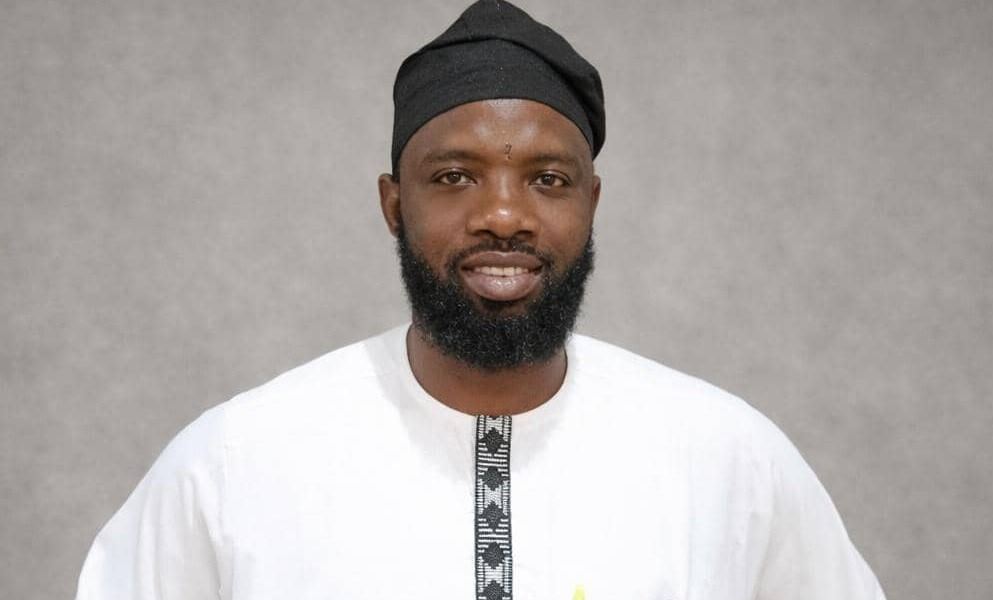
THE STORY of Nigeria’s power sector is one deeply rooted in broken promises, systemic corruption, elite profiteering, and the endless suffering of ordinary citizens. For decades, successive administrations have pledged reforms, investments, and transformation in the electricity industry, yet darkness remains a defining feature of national life. In this troubling narrative, the case of Saleh Mamman stands as a symbolic reflection of how power, greed, and governance failures intersect within Nigeria’s fragile electricity ecosystem.
Appointed as Minister of Power under the administration of former President Muhammadu Buhari, Saleh Mamman assumed office at a time Nigerians desperately hoped for stability in electricity supply. Expectations were high. Industries were collapsing under the burden of alternative energy costs, small businesses struggled daily with generator expenses, and millions of citizens remained disconnected from reliable electricity despite repeated government assurances.
Yet, rather than becoming a turning point in the sector, the era became overshadowed by allegations of financial misconduct, abuse of office, and questionable handling of public funds meant for power infrastructure. The allegations surrounding the management of funds allocated for the Mambilla Hydroelectric Power Project and other sectoral interventions reinforced public perception that Nigeria’s electricity crisis is not merely technical it is profoundly political and economic.

The Nigerian power sector cannot recover through rhetoric. Genuine reform requires transparent procurement systems; independent regulatory enforcement; political discipline; infrastructure investment; and above all, leadership driven by national interest rather than personal gain.
The irony is striking: a ministry responsible for powering the nation allegedly became another conduit for draining national resources. This contradiction captures the deeper tragedy of governance in Nigeria where institutions established to solve problems are often weakened by the same corruption they were created to combat.
ALSO READ: Comrade Amechi: A Pen In One Hand, Banner Of Struggle In The Other; By Iduh Onah
The phrase “Power, Greed and Power Grid” therefore extends beyond an individual. It reflects a national condition. “Power” symbolizes both political authority and electricity itself. “Greed” represents the entrenched culture of personal enrichment at the expense of public welfare. The “Power Grid” becomes a metaphor for a nation constantly on the verge of collapse unstable, overloaded, and vulnerable to failure.
Nigeria’s electricity sector has consumed billions of dollars in reforms, privatization efforts, intervention funds, and foreign-backed projects. Yet the average Nigerian continues to experience epileptic power supply. Rural communities remain abandoned, manufacturers spend heavily on self-generation, and investors view the sector with skepticism. This raises a fundamental question: is the crisis truly about inadequate resources, or is it about the absence of accountability?
The prosecution and public scrutiny surrounding Saleh Mamman represent more than a legal matter; they symbolize growing public frustration with a political culture where public office is frequently treated as an avenue for private accumulation. Nigerians increasingly demand consequences, transparency, and institutional reforms capable of restoring public trust.
ALSO READ: The Missing Numbers In Education Metrics; By Zainab Suleiman Okino
However, accountability must go beyond media sensationalism or selective prosecution. The real challenge lies in dismantling the systemic networks that enable corruption within governance structures. Focusing solely on individuals without reforming institutions risks treating symptoms while ignoring the disease itself.
The Nigerian power sector cannot recover through rhetoric. Genuine reform requires transparent procurement systems; independent regulatory enforcement; political discipline; infrastructure investment; and above all, leadership driven by national interest rather than personal gain.
Until then, the country may continue to experience the painful paradox of abundant energy potential trapped within a cycle of political greed and institutional failure.
In the final analysis, the Saleh Mamman episode is not merely about one former minister. It is a mirror reflecting the wider dysfunction of governance in Nigeria. It reminds us that when greed captures power, the power grid itself becomes unstable and ultimately, it is the ordinary citizen who remains in darkness.
Comrade Moses is a farmer, columnist, teacher and historian and writes from Abaji-Kpav.
