


NIGERIA today stands as a painful paradox: a nation endowed with vast human and natural resources, yet disgraced by persistent governance failure; a country alive with political activity, yet indifferent to the mass suffering of its people. The rituals of power thrive, but the substance of leadership is alarmingly absent.
For millions of Nigerians, daily existence has become a struggle for survival. The cost of living has risen beyond reason. Inflation has eaten deeply into wages, food prices have soared, and basic necessities are now luxuries for ordinary households. Youth unemployment remains endemic, transforming Nigeria’s demographic advantage into a social time bomb. Graduates roam the streets with certificates but no prospects, while the informal sector strains under the weight of desperation.
This is where the paradox of Nigeria’s political economy becomes stark. Politics has become detached from production, welfare, and human security. Power is no longer exercised primarily as a means of organising society for the common good, but as a tool for elite consolidation and self-preservation. Governance is reduced to managing political alliances rather than addressing material conditions.
Perhaps nowhere is this crisis more evident than in the education sector. Nigeria has earned the shameful distinction of hosting the largest population of out-of-school children in the world. Public primary and secondary schools are dilapidated, teachers are poorly motivated, and learning outcomes are dismal. Tertiary institutions are frequently shut down by industrial actions, while students who eventually graduate enter an economy that offers little hope of productive engagement. Education, once seen as the ladder out of poverty, is steadily losing its promise.

ALSO READ: Murtala Muhammed: Manoeuvring Through Unpopular Consciousness; By Owei Lakemfa
Yet economic deprivation, as devastating as it is, tells only part of the story. Nigeria’s most troubling crisis today is the normalisation of violence and death.
In Abande Market, Kwande LGA of Benue State, market women and children were murdered, citizens whose only ambition was to earn a living. In Katsina State, killings linked to banditry continue unabated, leaving communities traumatised and displaced. Reports of the killing of over 170 people in Kwara State shocked the conscience, only to be quickly absorbed into the cycle of national amnesia. In Southern Taraba State, Tiv communities face what many describe as systematic extermination, yet their plight rarely commands sustained national attention. Borno State, alongside several other regions, remains scarred by years of insurgency, displacement, and humanitarian distress.
In any state governed by a strong sense of responsibility, such repeated atrocities would provoke national mourning, emergency security measures, and a radical rethinking of governance priorities. In Nigeria, however, these tragedies are often met with ritual statements, fleeting outrage, and a swift return to “business as usual.”
ALSO READ: The Silent Press And The Silent Siege; By Segun Adediran
Foul Language, Political Discourse And Democracy; By Abadam Lawrence Amechi
That business, unfortunately, appears increasingly disconnected from the realities of ordinary Nigerians.
While citizens bury their dead, the political class is engrossed in elite reconciliation meetings and power calculations. Millions of tax payers’ money is sunk into lobbying contracts to give an illusion of the situation of things on ground. Enormous energy and resources are devoted to persuading politicians to defect from one party to another. Decamping ceremonies are staged with lavish fanfare complete with convoys, banquets, and media spectacle at a time when communities lack security, schools lack roofs, and hospitals lack basic drugs. Foreign trips by public officials continue with little justification or transparency, even as insecurity and hunger tighten their grip at home.
Nigeria’s disgrace does not lie in the existence of challenges, every nation has them, but in the dangerous normalisation of failure. Poverty has become routine. Mass killings have become statistics. Outrage has become performative, brief, and forgettable. The country has learned, tragically, to conduct politics in the shadow of graves.
Equally disturbing is the proliferation of illegal mining sites across the country. Nigeria’s mineral wealth is being carted away daily by criminal networks and foreign interests, often with the connivance of local and national actors. Host communities are left with polluted land, destroyed livelihoods, and deepened poverty, while the state haemorrhages revenue that could have funded education, healthcare, and security.
ALSO READ: Iran, Beware The Fangs Of January, The Scourge Of February, The Ides Of March; By Hassan Gimba (3)
Party Defection And The Crisis Of Representation In Nigeria; By Lawan Musa Danlami
This is where the paradox of Nigeria’s political economy becomes stark. Politics has become detached from production, welfare, and human security. Power is no longer exercised primarily as a means of organising society for the common good, but as a tool for elite consolidation and self-preservation. Governance is reduced to managing political alliances rather than addressing material conditions.
Corruption in Nigeria is no longer merely about stolen money; it is systemic and structural. It is visible in policy indifference, selective enforcement of laws, and the routine devaluation of human life. Fraud is embedded not only in financial transactions but in the pretence that the state is functional while citizens fend for themselves.
What the country is experiencing is, at its core, a crisis of moral leadership. A state that cannot guarantee the safety of its market women, farmers, children, and minority communities has lost the ethical foundation of authority. A government that invests more time in political ceremonies than in securing lives has abandoned the essence of governance.
ALSO READ: Machina Emirate Celebrates Dr Kole Shettima; By Jibrin Ibrahim
The Machina Quartet; By Aminu Habibu Jahun
Nigeria’s disgrace does not lie in the existence of challenges, every nation has them, but in the dangerous normalisation of failure. Poverty has become routine. Mass killings have become statistics. Outrage has become performative, brief, and forgettable. The country has learned, tragically, to conduct politics in the shadow of graves.
History will judge this period harshly. Future generations will ask why a nation with so much potential allowed insecurity, poverty, and elite indifference to hollow it out. They will question why political survival mattered more than human survival, and why governance became theatre while citizens paid the price with their lives.
Nigeria stands at a crossroads. It can continue down the path of elite comfort amid mass suffering, or it can reclaim the foundational purpose of the state: the protection of life, the promotion of human dignity, and the creation of conditions for shared prosperity.
Anything less is not leadership. It is abdication. It is disgrace.
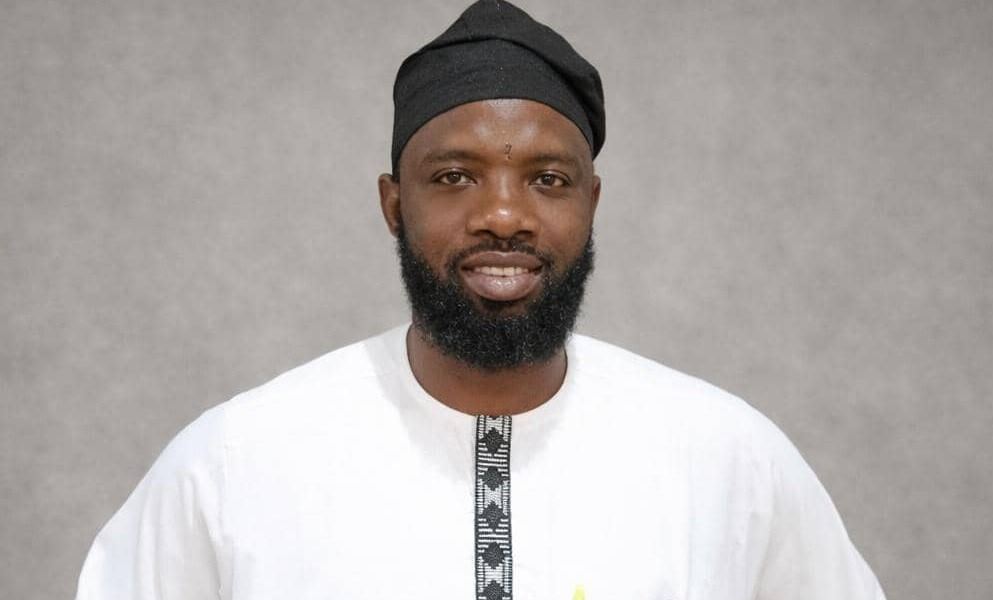
Comrade Moses writes from Abaji-Kpav, Katsina-Ala LGA, Benue State.
