


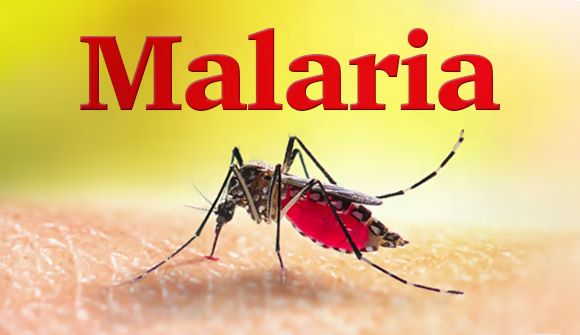
THE SENATE has passed for a second reading a bill seeking to establish the National Agency for Malaria Eradication (NAME).
The proposed legislation, sponsored by Senator Ned Nwoko (APC-Delta), aims to centralize and intensify efforts to combat malaria, which remains a major public health crisis in Nigeria.
During Thursday’s plenary, Senator Nwoko presented the bill’s general principles, describing malaria as a national emergency that severely impacts maternal health, economic productivity, and national development.

He emphasized that malaria contributes significantly to maternal mortality, causing severe anaemia, miscarriages, stillbirths, and infant deaths, while also costing the nation millions in lost manpower annually.
Nwoko argued that despite existing interventions, a structured, aggressive, and well-resourced approach is necessary to eliminate the disease.
The proposed agency would be autonomous, with a clear mandate to formulate national eradication policies, coordinate multi-sectoral responses, mobilize resources, and support vaccine research, including genetic innovations.
“Nigeria cannot continue to lead the world in malaria deaths,” Nwoko stated.
He added: “Our vectors are evolving, and our parasites are adapting — so must our institutional response.
“A fragmented structure cannot confront a mutating threat. We need a unified, science-driven, and legislatively-backed institution with the singular mandate of ending malaria in Nigeria.”
He urged his colleagues to support the bill, calling it a critical step toward saving lives, strengthening public health infrastructure, and securing the nation’s future.
Contributing to the debate, Senator Victor Umeh (LP-Anambra) commended the initiative, stressing that malaria remains a severe societal burden.
Similarly, Senator Ede Dafinone (APC-Delta) highlighted the disease’s disproportionate impact on young people and the economy, endorsing the bill’s focus on reducing its effects.
Following deliberations, Deputy Senate President Barau Jibrin (APC-Kano) referred the bill to the Committee on Health for further legislative work, directing it to report back within four weeks.
If established, the agency would mark a significant step in Nigeria’s fight against malaria, aligning with global efforts to eradicate the disease. (NAN)
