


AS NIGERIA marks its 66th Independence Anniversary, the Conscience for Human Rights and Conflict Resolution (CHRCR) has called for sober reflection on the country’s journey since independence, urging governments at all levels to address insecurity, poverty, unemployment, corruption and other challenges confronting citizens.
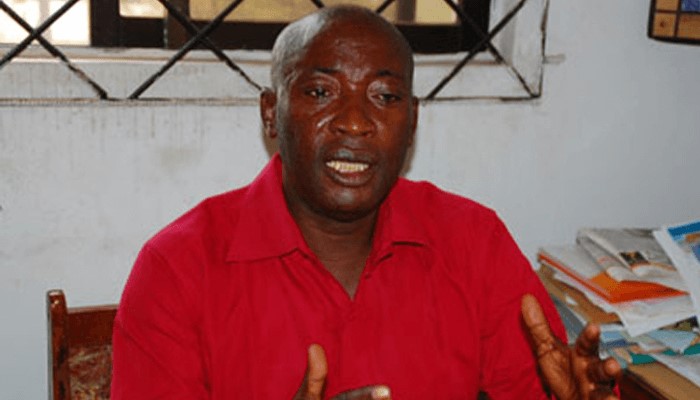
In a statement signed by its Executive Director, Idris Miliki Abdul, the Lokoja-based civil society organisation said the anniversary provided an opportunity for Nigerians to celebrate the country’s survival as one nation while also reflecting on the gaps between the aspirations of independence and the realities confronting the country today.
The organisation said 66 years represent a significant period in nation-building and that Nigeria had endured several political, economic and social challenges while remaining united as a country.

According to the group, the country has made progress in democratic governance, particularly through the regular opportunity for citizens to elect leaders and representatives at federal and sub-national levels.
It, however, identified insecurity, corruption, poverty, economic hardship, unemployment, inflation and inadequate youth participation in leadership and governance as major concerns requiring urgent attention.
CHRCR also raised concerns about what it described as divisive political, ethnic and religious interests, alleging that these had contributed to distrust and instability in the country.
The organisation called on Nigerians to remain vigilant and resist actions capable of undermining national unity, democratic institutions and the country’s development.
It also acknowledged improvements in infrastructure and the establishment of educational institutions across the country, involving both public and private sectors.
Despite these developments, the group said Nigeria still had significant work to do in strengthening its economic and political systems, particularly through industrial development capable of creating employment opportunities for young people.
Call for Stronger Response to Insecurity
A major part of the statement focused on violent extremism and insecurity, with CHRCR urging the Federal and state governments to strengthen their response to the threats.
The organisation argued that violent extremism could be exacerbated by factors including governance failures, corruption, inequality, unemployment, poverty and perceived political exclusion.
It said these conditions could create grievances that extremist groups might exploit, while weak institutions and poor public service delivery could further undermine efforts to prevent radicalisation.
CHRCR also criticised what it described as a fragmented national response to violent extremism, saying interventions by different institutions often operated independently without sufficient coordination, shared data or unified policy direction.
According to the organisation, the lack of effective coordination among federal, state and local actors has resulted in overlapping or disconnected interventions and missed opportunities for cooperation.
It noted that Nigeria had witnessed an increase in both statutory and non-statutory security agencies operating at different levels, stressing the need for clearer coordination among institutions involved in preventing and countering violent extremism.
Call for Unified Prevention Strategy
The group called for the integration of Preventing and Countering Violent Extremism (PCVE) strategies across the three tiers of government.
It argued that a unified framework would promote consistency, accountability and shared objectives, while reducing duplication and inefficient use of resources.
CHRCR urged the Federal Government, through the Office of the National Security Adviser and President Bola Ahmed Tinubu, to make public the validated and improved Preventing and Countering Terrorism Policy Document, which it said was facilitated and coordinated by the National Counter Terrorism Centre over the past year.
The organisation said publication of the document would enable state and local authorities to develop corresponding policies suited to their respective circumstances.
It further stressed the need for clearly defined responsibilities and measurable outcomes among federal, state and local institutions involved in countering violent extremism.
Rights, Security Must Go Together
CHRCR also emphasised the importance of balancing national security with the protection of citizens’ constitutional rights.
The organisation argued that the Nigerian Constitution does not permit the country to choose between security and fundamental rights, saying both must be pursued simultaneously.
It called on civil society organisations, organised labour, governments and citizens to insist that constitutional rights remain practical guarantees rather than merely provisions on paper.
According to the group, combining security with citizens’ welfare is essential to strengthening the Nigerian state and making citizenship meaningful.
Appeal Ahead of 2027 Elections
With the 2027 general elections approaching, CHRCR also urged political parties, candidates, supporters and voters to adhere to electoral rules and respect the choices of individuals and groups.
The organisation said peaceful and credible elections were essential to sustaining Nigeria’s democratic development and warned against actions that could undermine the country’s democratic journey.
It called on all stakeholders to contribute to peaceful elections, stressing that Nigeria could not afford setbacks in its democratic development.
The organisation concluded by congratulating Nigerians on the 66th Independence Anniversary and called for renewed commitment to building a more secure, democratic and economically productive country.
