


PUBLIC affairs analyst, Prof Okey Ikechukwu, has called on Nigerian journalists and media organisations to exercise greater caution when reporting on military operations and other sensitive security matters, warning that irresponsible journalism could undermine national security and endanger the lives of security personnel.
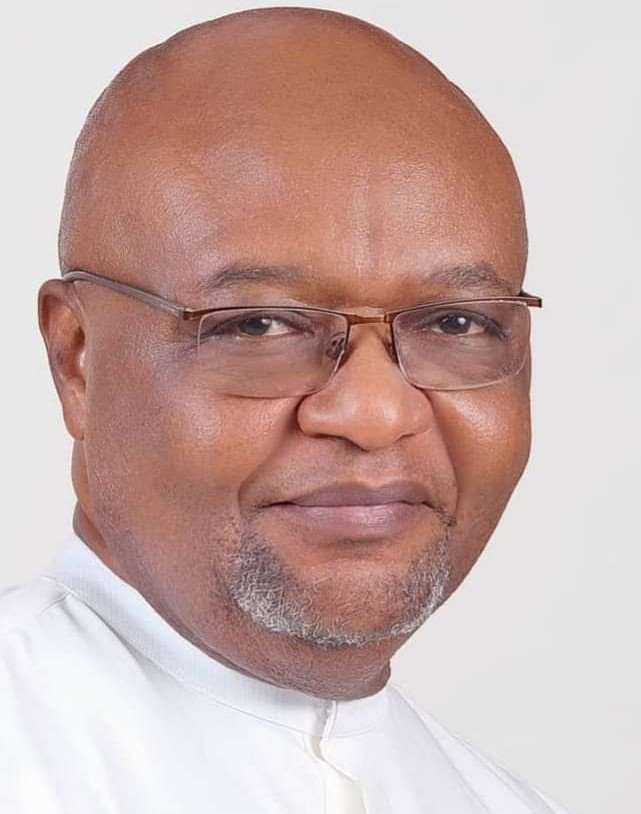
In an article titled: “The Army, the Media and National Interest Communication,” published by THISDAY, Ikechukwu argued that while the media has a constitutional responsibility to inform the public and hold institutions accountable, it must avoid publishing information capable of aiding terrorists, insurgents or other hostile actors.
He stressed that responsible journalism should be guided by professionalism rather than sensationalism.

According to him, some recent reports and online content have taken the form of “mischievous reportage” and deliberate attempts to create disaffection, adding that the spread of misinformation, distorted narratives and unverified claims can damage public trust and weaken the morale of troops engaged in difficult security operations.
“What does a responsible media practitioner gain by cheerfully advertising the worst possible piece of information about his country and the military personnel risking their lives to make that country secure?” Ikechukwu asked, urging journalists to consider the broader consequences of their reporting.
He maintained that responsible journalism does not require the media to shield the military from criticism but instead demands thorough verification of facts, consultation with multiple sources and careful consideration of national security implications before publication.
He also encouraged prompt corrections whenever errors are discovered.
The analyst further argued that Nigeria’s armed forces face enormous operational challenges, including manpower shortages, inadequate funding and multiple internal security assignments that stretch available resources.
Rather than focusing on reports capable of demoralizing troops, he said the media could draw public attention to these structural challenges while still holding security institutions accountable where necessary.
Ikechukwu proposed what he described as the “ABC” framework for responsible communication, urging journalists to embrace Accuracy, Balance and Caution when covering security issues.
He explained that accuracy requires fact verification through reliable sources, balance demands objective and fair reporting, while caution involves withholding operational details that could jeopardize military missions or public safety.
He warned that disclosing troop movements, operational plans or other classified information could inadvertently assist criminal organizations, insurgents and terrorists, adding that such disclosures may threaten ongoing operations and place service personnel at unnecessary risk.
The public affairs commentator also emphasized that the Freedom of Information Act should not be interpreted as overriding constitutional provisions and other laws designed to protect the integrity and security of the Nigerian state.
He said media practitioners have a duty to combat misinformation, educate the public about security threats and strengthen national resilience through responsible reporting.
Calling for stronger collaboration between media organizations and security agencies, Ikechukwu said journalists should respect professional standards, avoid inflammatory language and carefully assess the security implications of sensitive reports.
He concluded that by adhering to the principles of Accuracy, Balance and Caution, the media can continue to fulfil its watchdog role while contributing to national stability, democratic values and the country’s collective fight against insecurity.
