


In this haunting narrative of Benue’s cycle of violence, VICTOR ITODO ABUH unravels the tragedy of a people not just displaced but erased – farmers who once fed a nation now watch from squalid camps as strangers harvest their ancestral fields, children who have never seen their villages grow up rootless in limbo, and families trapped in a decade-long nightmare – in which return might be probable death, and where their government’s silence and inaction remain the loudest violence of all.
AT DAWN in Yelwata, a small farming community in Guma LGA of Benue State, the cock no longer crows.
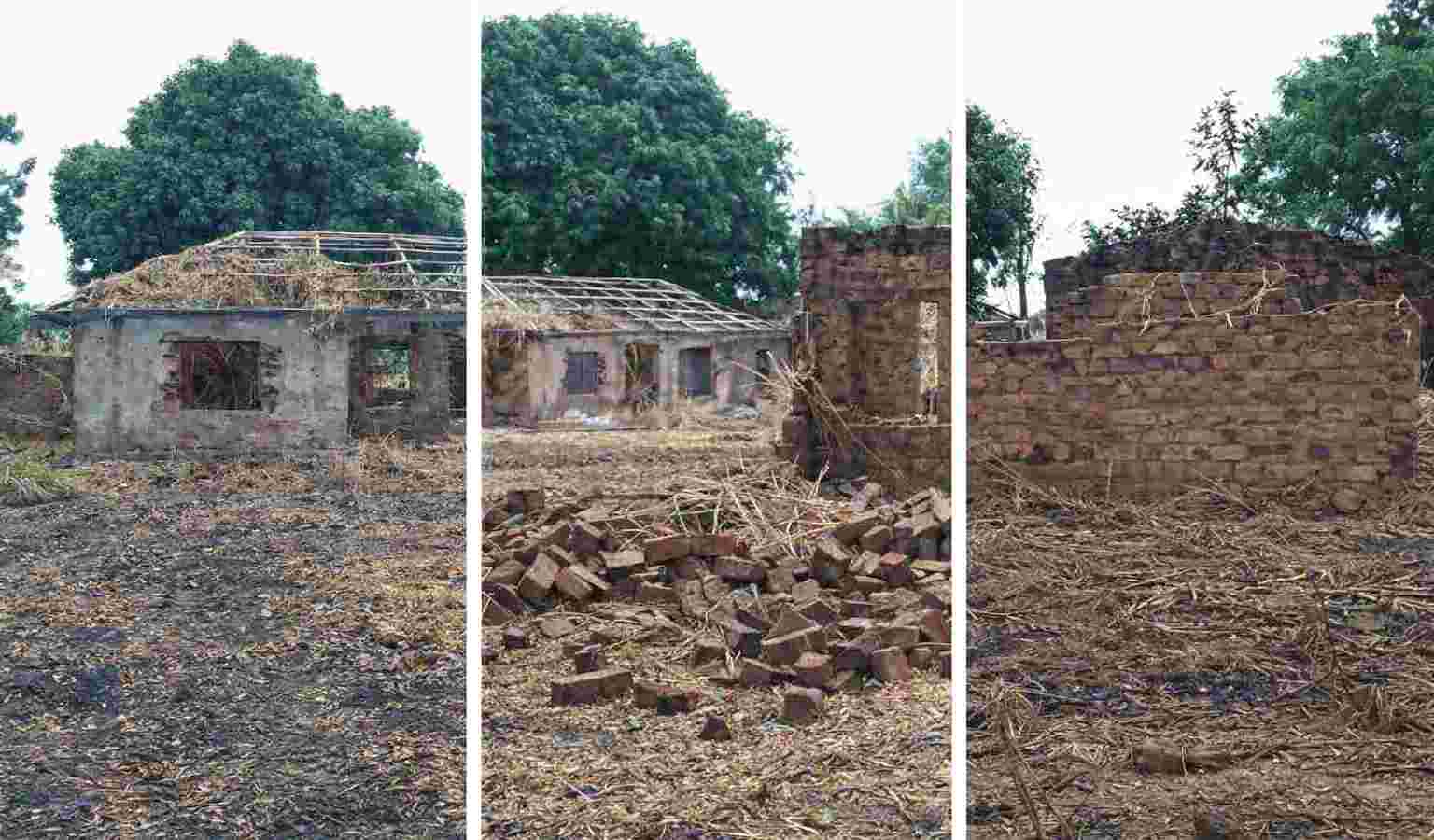
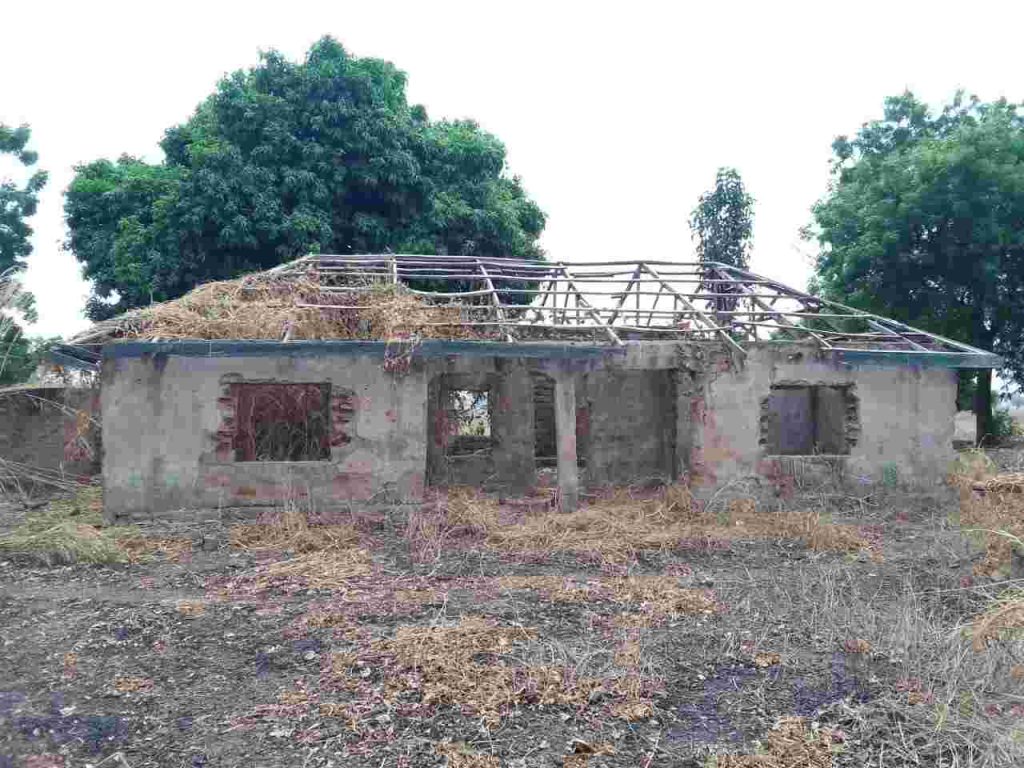
On the night of 13th and early morning of 14th June 2025, instead of waking to the sound of birds and children preparing for school, the silence was thick – broken only by the hum of wind through abandoned fields. Houses lay empty, some with doors swinging on broken hinges, roofs burnt and walls scarred by bullet holes. Once-lively compounds now stood like shells of memory.
This was not always the case in Yelwata and many other parts of Benue.
Benue State, long known as the ‘Food Basket of the Nation’, was once alive with the rhythmic pulse of planting and harvest. Her cassava, yams, rice and maize fed homes and markets across Nigeria.
But today, in many corners of Benue, mornings are no longer familiar. They are shadows of a life that once was.
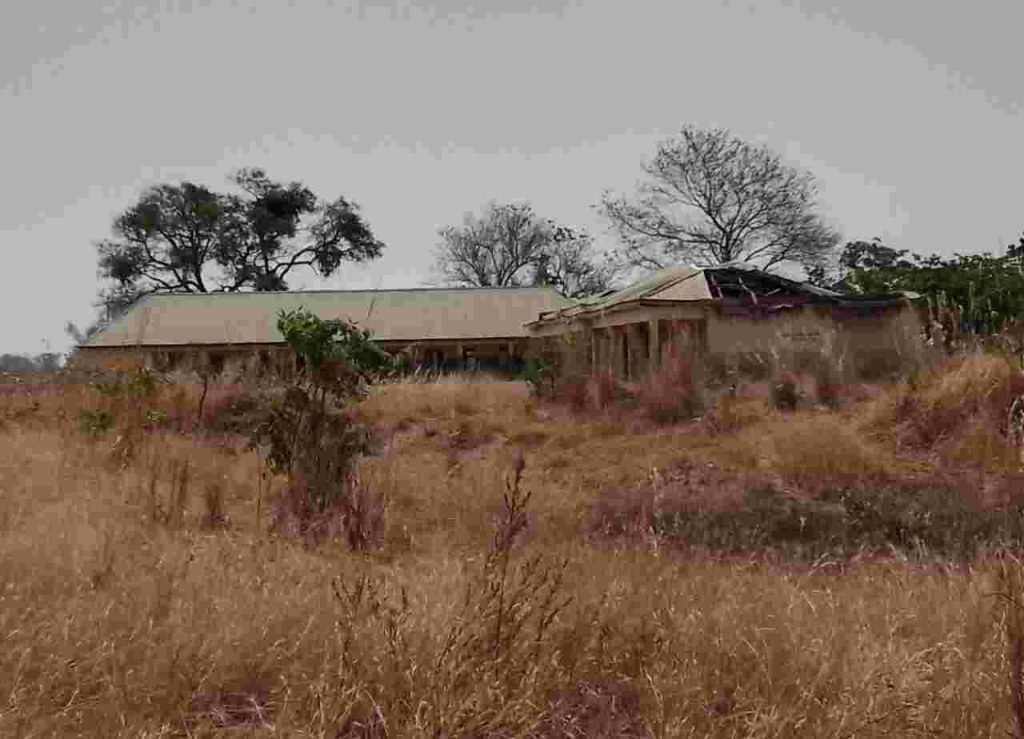
A Land That Once Gave Life
For generations, families passed land from one to the next. Children learned farming before reading. Fields were not just places to work – they were family heritage, identity and the promise of tomorrow. That promise has been violently disrupted.
Analyses by humanitarian monitors show that violence affecting farming communities has caused repeated waves of displacement across Benue State. Data obtained by this reporter through a Freedom of Information (FOI) request to the Benue State Emergency Management Agency (SEMA) shows that displacement is not isolated or temporary, but widespread and protracted.
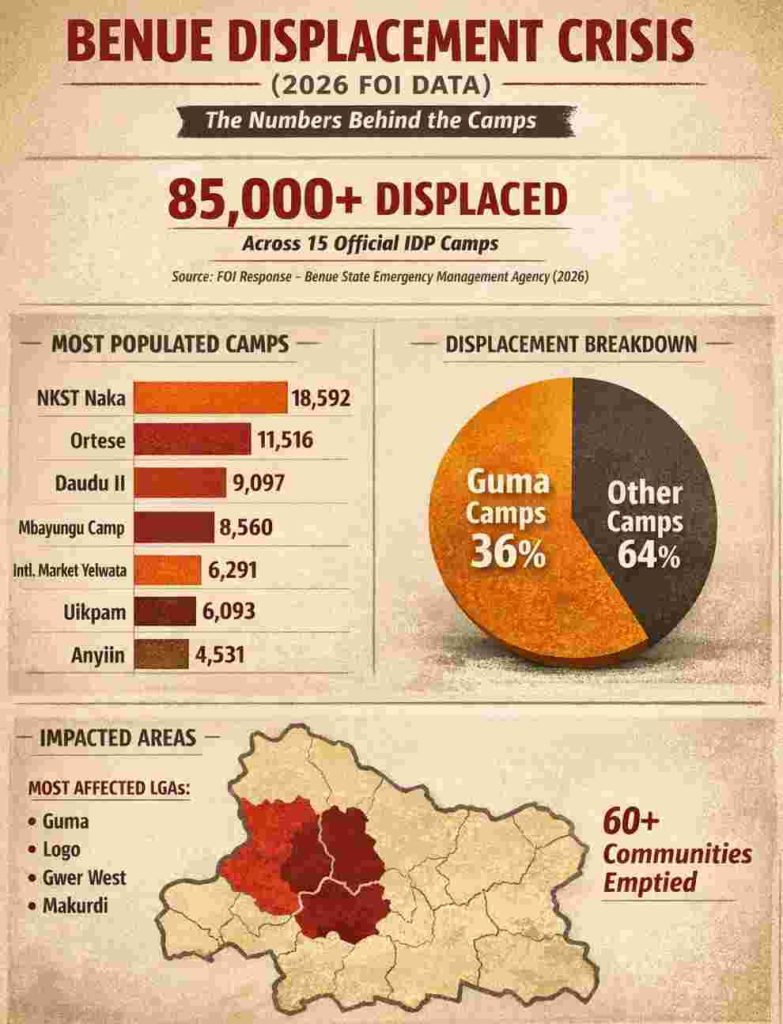
According to SEMA’s official records, at least 15 recognised IDP camps are currently hosting displaced persons across Guma, Gwer West, Makurdi and Logo (Local Government Areas (LGAs). These camps alone account for over 85,000 displaced persons, excluding thousands living in host communities without formal camp structures.
The largest camps, according to SEMA, include: NKST Naka (Gwer West): 18,592 persons; Ortese (Guma): 11,516 persons; Daudu II (Guma): 9,097 persons; Mbayungu Transition Camp (Makurdi): 8,560 persons; International Market, Yelwata (Makurdi): 6,291 persons; Uikpam (Guma): 6,093 persons; Anyiin (Logo): 4,531 persons
SEMA’s records further show that entire communities have been emptied, particularly across Guma and Logo LGAs, where more than 60 communities are listed as affected by displacement. These include farming settlements such as Yelwata, Tse Akenyi, Che Guma, Antso, Pakema, Yogbo, Daudu axis, Uikpam Township, Tombo, Mbaywen and Mbagum.
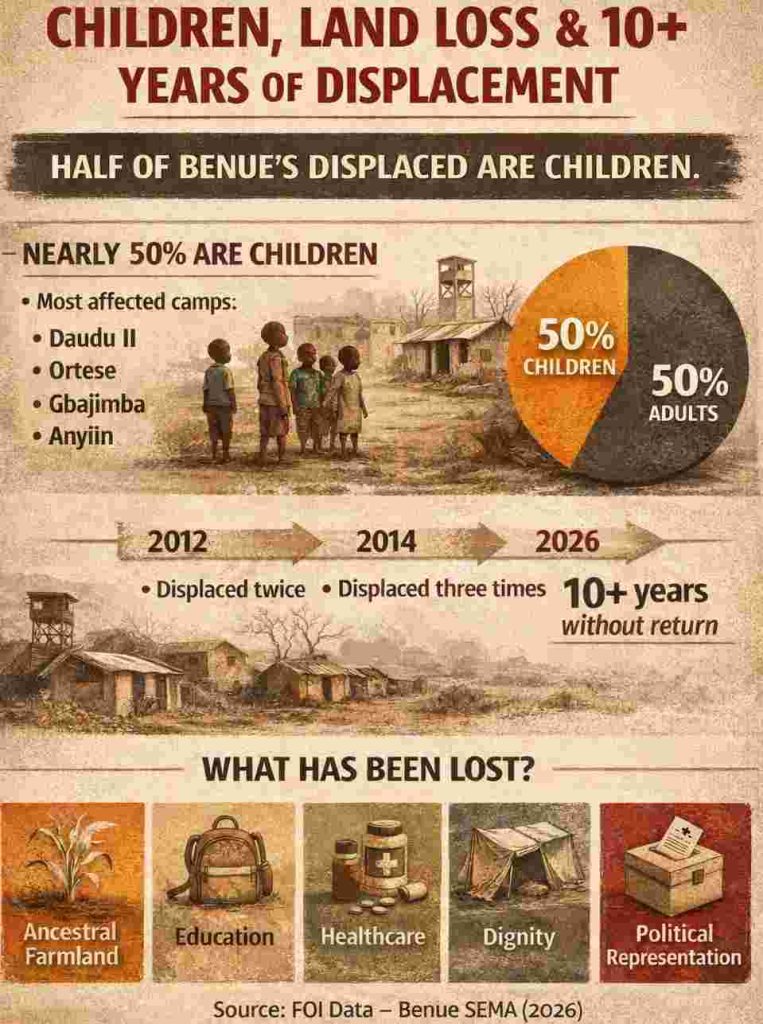
For many of these communities, displacement has lasted over a decade.
Children who once ran to school now sit idle in camps or seek survival in ways that rob them of childhood.
The United Nations Office for the Coordination of Humanitarian Affairs (OCHA) notes that conflict in Benue has severely undermined food production, worsening both immediate and long-term food insecurity. Families that once fed others can no longer access the land that sustained them.
The Pattern of Violence and Repeated Flight
Reports from conflict-tracking organisations show that Benue consistently ranks among Nigerian states with high numbers of displacement events linked to armed violence in rural farming areas.
In June 2025, attackers stormed Yelwata Community in Guma LGA, forcing thousands to flee. SEMA confirmed that many of those displaced had already fled earlier attacks and were experiencing displacement for the second or third time.
This cyclical pattern – attack, flight, fragile resettlement and renewed violence – has become a grim rhythm. For many families, there is no stable refuge, only movement.
Running Without Looking Back
The story of displacement in Benue is not just about data and numbers – it’s about human lives fractured by conflict.
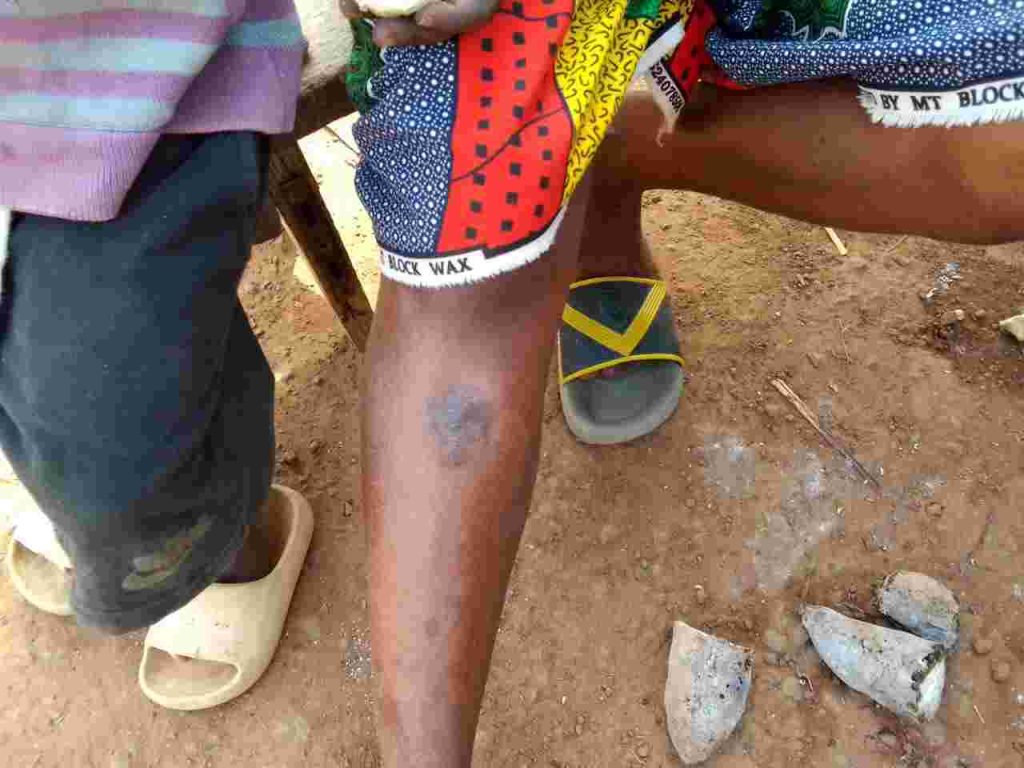
Take the case of Terundu Boniface from Tse Aga Tombo in Mbaywen, a community in Logo LGA of Benue State.
“I got married after the displacement,” she said. “One day in February 2025, while I was fetching firewood, I was shot in my right leg. I was rescued by mobile security personnel camping around Anyiin.”
Terunde’s injury was not only physical. She now carries the permanent reminder of that day – an indelible mark that the land she once worked is now being farmed by others.
“The Fulani have been using our land for farming since the incident,” she said. “The government has not taken any concrete measures to resettle us. What we hear instead is political propaganda.”
Terunde and her family have been living away from their ancestral home for five years. The rainy season makes travel dangerous and cattle roam fields that were once their family’s lifeline.
A Lost Identity
For many displaced residents, displacement is not just about losing property – it is about losing identity and belonging.
Msugande Akase, a council ward member from Tse Anshue now living in Tombu, described his community’s long journey of loss.
“The violence began in 2012,” Akase said. “Since then, we fled from Tse Anshue and have not been able to return.”
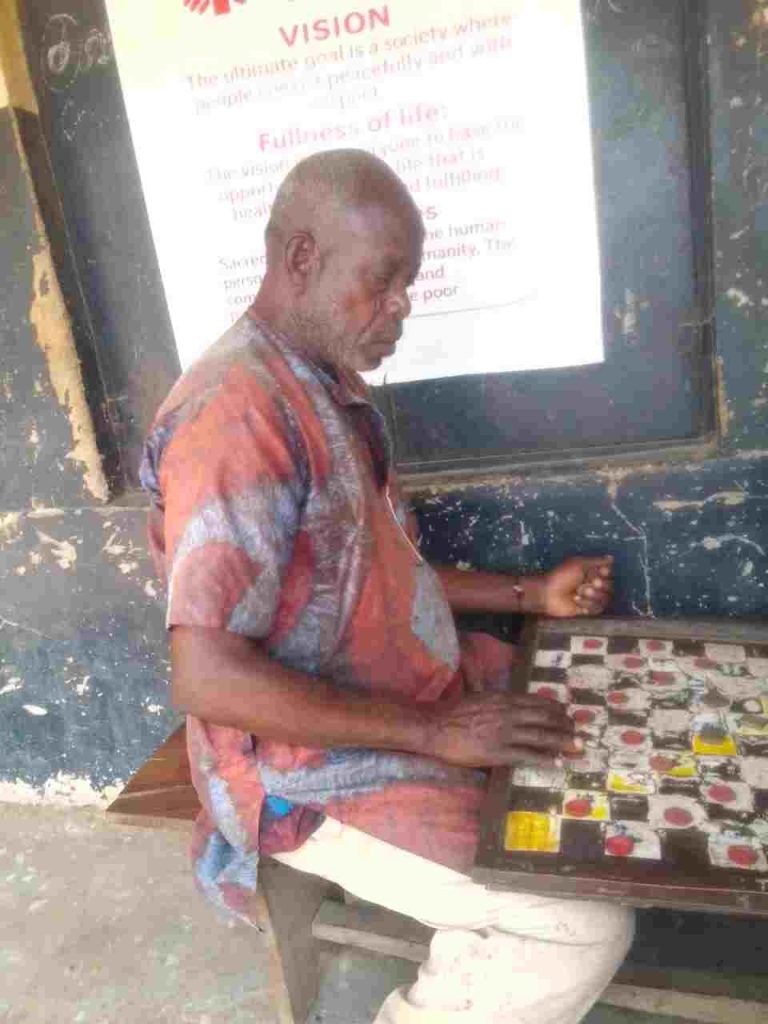
His voice carries the weariness of years lived in uncertainty. “Life has become unbearable due to economic hardship because we cannot access our farmlands to continue our farming activities,” he said.
Akase also shared the personal cost of displacement. “I have lost six of my immediate family members,” he said, naming relatives he lost to violence over the years.
For Akase, and many like him, displacement is not an event. It’s a life sentence.
The True Nature of What is Being Taken
This crisis is often framed as a “farmer-herder conflict.” Yet many residents and observers believe this label obscures a deeper problem – systematic dispossession.
After communities flee violence, residents narrate, their farmlands are often taken over by armed individuals. Crops that once fed families are grazed upon. Paths once trodden by harvesters are now marked by cattle tracks.
A displaced person living in the Anyiin IDP camp, Ttotaha Aboodi, said he had been living there since 2014.
“I was a well-to-do person as a farmer before the violence started,” Aboodi said. “I have not set my eyes on my village since 2014. The Fulani have occupied our land since 2014 and they have been using our farmland and cutting down trees.”
Aboodi said his children are out of school because the family can no longer afford fees and food supplies are dependent on BSEMA and humanitarian support, he said.
“We don’t have water challenges as the government provided four boreholes and two are not functioning,” he noted, highlighting how basic infrastructure lags far behind the urgent needs of displaced communities.
Not every Internally Displaced Person (IDP) has such a clear line of sight into the reality of displacement and occupation, but many share similar experiences of loss and exclusion.
SEMA data confirms that children constitute nearly half of camp populations, particularly in Daudu II, Ortese, Gbajimba and Anyiin camps.
The Cost of Displacement
The impact of displacement is not limited to lost land. Families are forced to find alternative ways to survive. Some try to farm on borrowed land far from their homes, but this is not a long-term solution.
Mr. Peter, an internally displaced person in Abinsi, Guma LGA, explained: “Since 2024 till date, I have not visited my ancestral home due to constant attacks. As we speak right now, my hometown is a danger zone. I am a farmer and a businessman. I usually go to other communities that are violence-free to hire land to farm even when I am a landowner.”
Peter’s experience demonstrates how displacement not only removes people from their land but also pushes them into economic precarity.
Life in Limbo
In Benue State, displacement is no longer temporary. It has become a way of life. Across IDP camps and host communities, thousands of families live in a state of perpetual waiting – waiting for security, waiting for government action, waiting for a chance to return home.
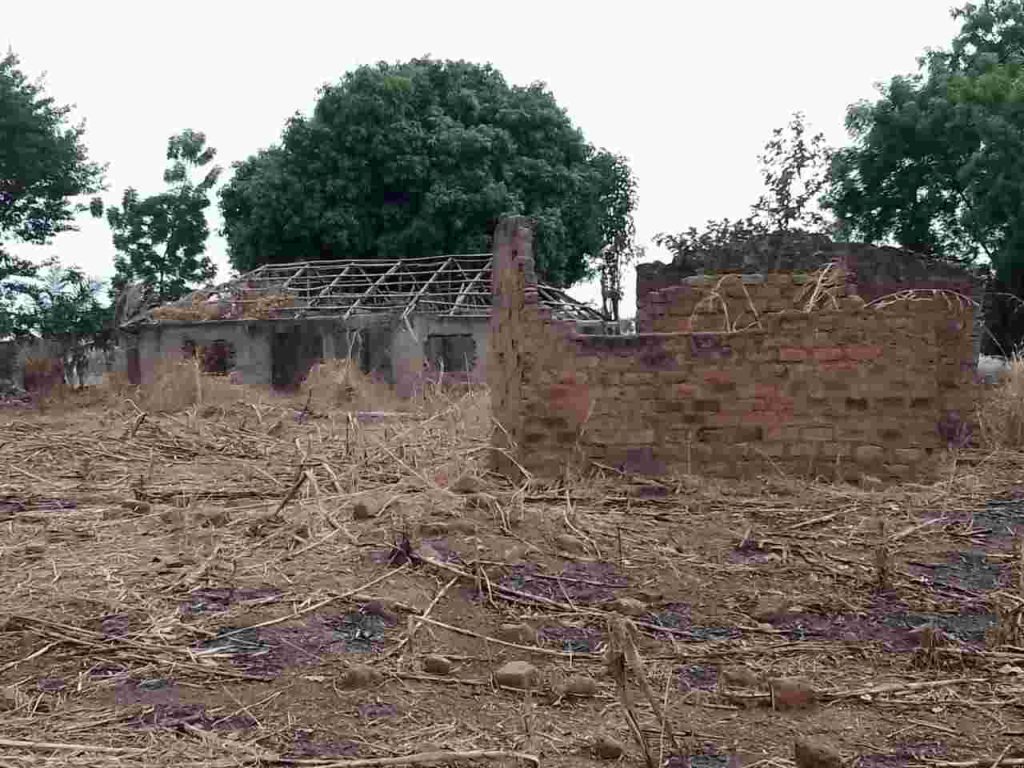
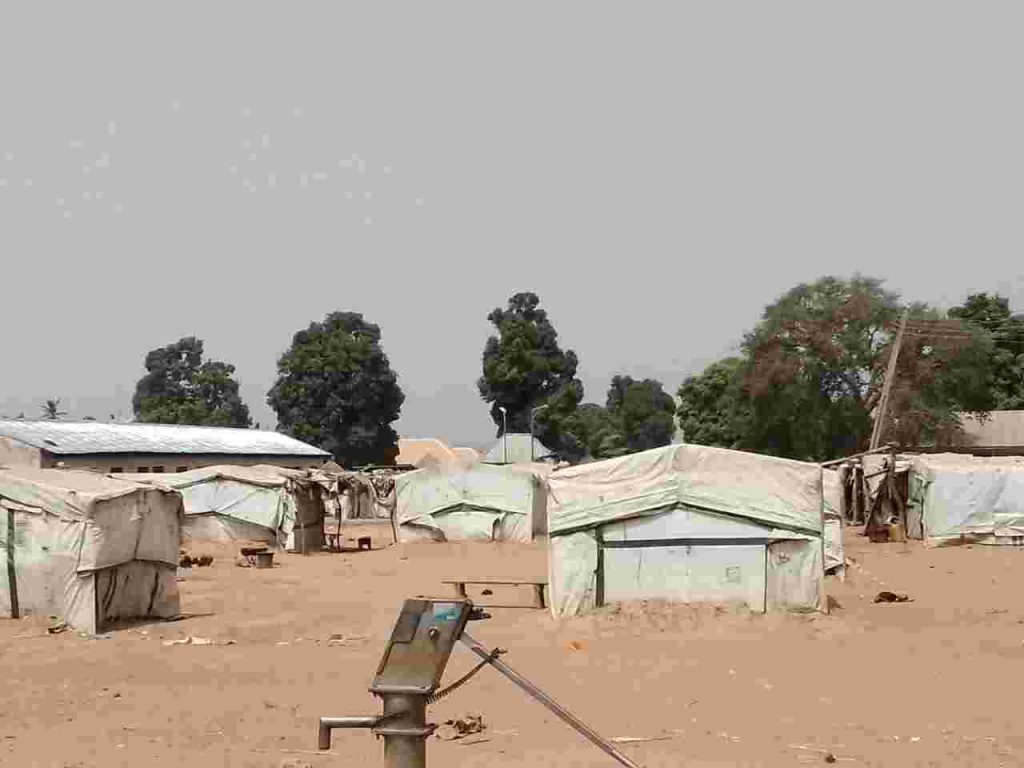
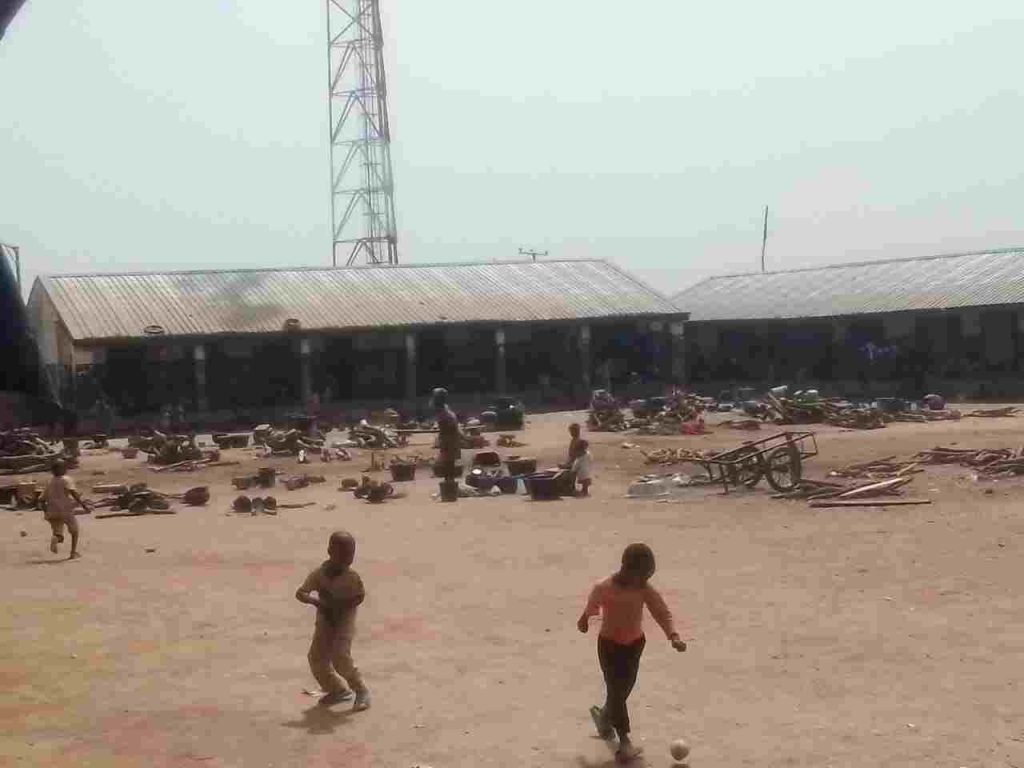
At the Anyiin IDP camp, rows of makeshift shelters tell stories of survival without comfort. Families live in overcrowded rooms built from zinc sheets and tarpaulin. Privacy is rare. Hunger is common.
According to humanitarian situation updates by the United Nations Office for the Coordination of Humanitarian Affairs (OCHA), displaced households in Benue have lost access to farmland for multiple planting seasons. This loss has left many families entirely dependent on food assistance and irregular humanitarian aid.
OCHA notes that food insecurity has worsened because farming – the main livelihood in the state – has been cut off by violence and fear.
For many displaced families, farming is not just an occupation. It is survival. Without land, parents struggle to feed their children. Without income, children are withdrawn from school. Without education, the future becomes uncertain.
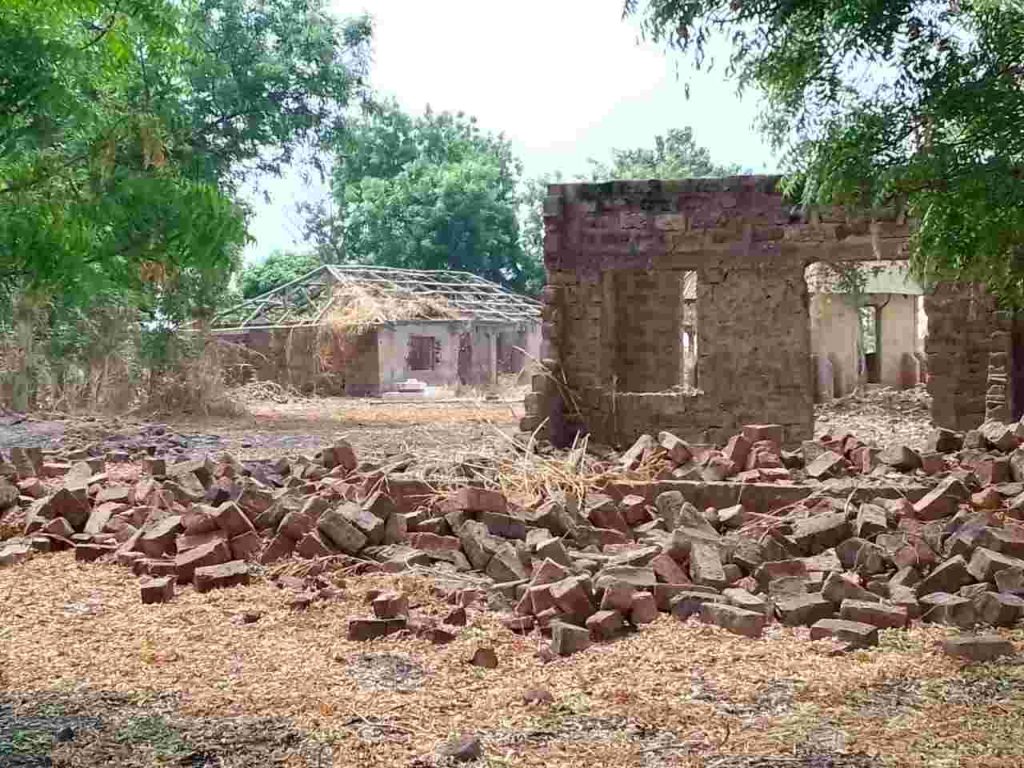
At Anyiin, Ttotaha Aboodi said hunger and illness have become part of daily life. “Finance has been a major issue and hunger because we solely depend on BSEMA,” he said. “Health issues are there. There are no drugs in the camp.”
OCHA reports also show that access to healthcare remains limited in many displacement sites, especially in rural areas where medical facilities were destroyed or abandoned during attacks.
Children Growing Up Without Roots
One of the most devastating consequences of displacement in Benue is its effect on children.
Before the violence, children followed a simple routine: farm, school, home. Today, many children in displacement camps have never seen their ancestral villages. They know farming only through stories.
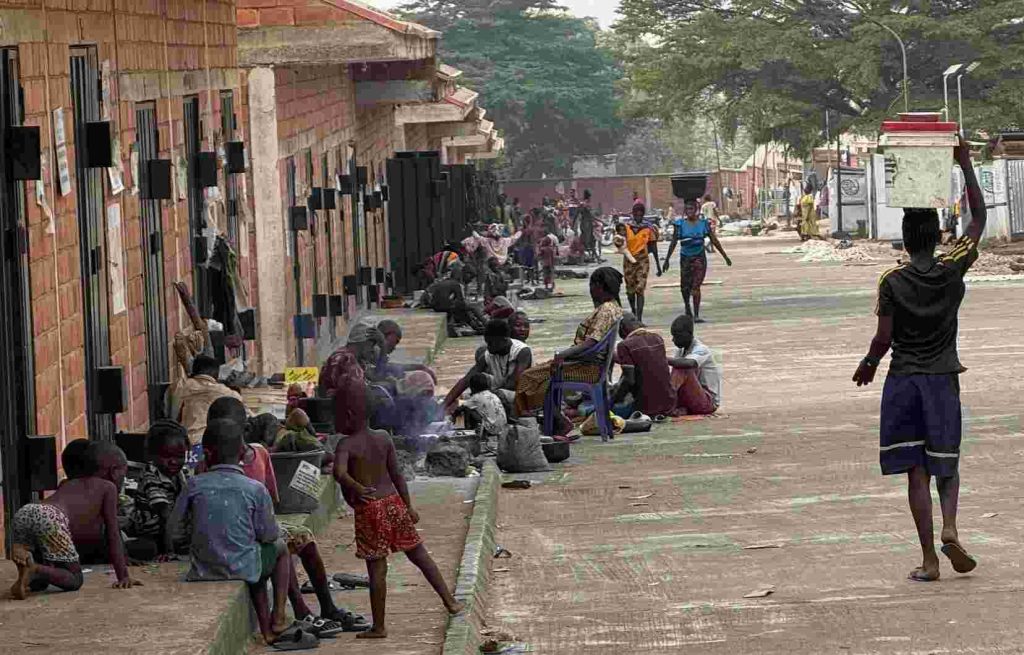
According to UNICEF, conflict and displacement in Benue have significantly disrupted education. UNICEF situation reports indicate that thousands of children are out of school due to insecurity, destroyed school buildings, and long distances between IDP settlements and functional schools.
In Tombu Mbazaa, Mbavender Christiana Myina said education for many children now depends on charity. “Some of our children’s schooling is as the result and help of Bishop Felix Mbundepuun Dyugu Isaac,” she said.
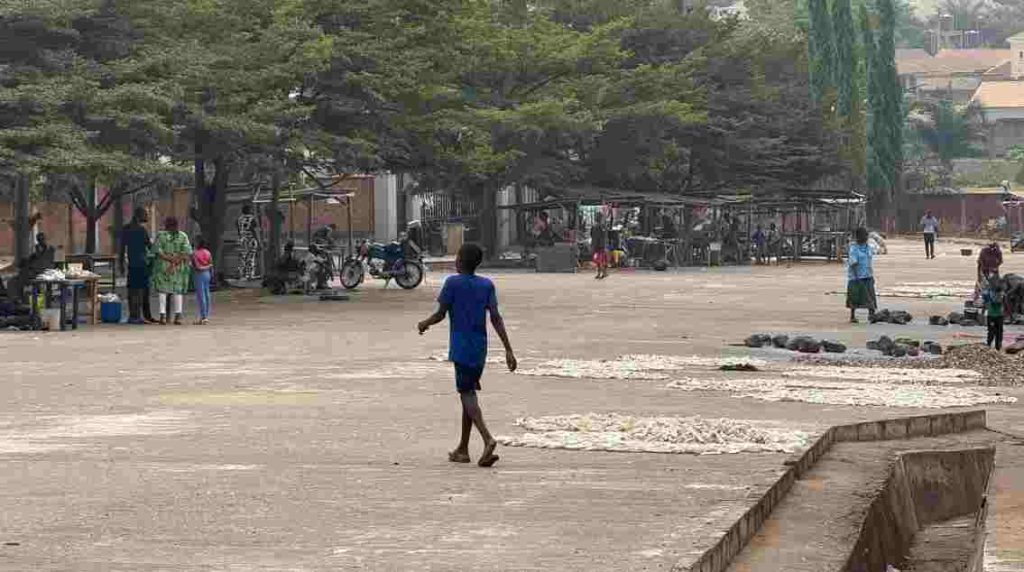
Overcrowding also exposes children to health and protection risks. UNICEF has warned that prolonged displacement increases children’s vulnerability to abuse, child labour, early marriage and recruitment into criminal activities.
In many camps, children roam freely without supervision while parents search for food or temporary jobs. Childhood is shortened. Innocence is lost early.
Displacement Without Dignity
Beyond hunger and lack of education, displacement strips people of dignity.
At Abinsi, displaced families have no formal IDP camp. They live around market areas, under unfinished buildings, or with relatives who are themselves struggling.
A traditional ruler from Abinsi, who requested partial anonymity due to security concerns, described the situation as deeply troubling. “There is no farmer-herder clash at Abinsi,” he said. “What we have is criminality. There are internally displaced persons at Abinsi market because there is no IDP camp.”
He said nearby Tse Joor Village is almost completely deserted. “There is no single person there aside from a few Fulani and their cattle,” he added, and warned that displacement without shelter pushes people into deeper poverty and insecurity.
The Question of Security
Security remains the central issue in Benue’s displacement crisis. Government officials frequently announce security operations and deployments, but residents say these measures rarely prevent attacks.
According to SEMA, many attacks occur in remote villages with poor road access, making rapid security response difficult. By the time security forces arrive, attackers are often gone.
Residents interviewed across Guma and Logo LGAs of Benue repeatedly said they had raised alarms before attacks but received no response.
At Anyiin, Aboodi recalled recent violence on the day he was being interviewed by this reporter. “An attack occurred on January 29,” he said. “They made away with two bikes at Anyebe.”
Security briefings reviewed by humanitarian agencies and reported through OCHA indicate that limited personnel, poor logistics and difficult terrain continue to undermine effective protection in rural Benue.
For displaced residents, the message is clear: security comes too late.
Government Promises, Community Doubts
Government officials have not been silent – Committees have been set up. Statements have been made. Visits have been conducted.
The Nigerian constitution places security in the hands of the Federal Government, which controls the police, the military and paramilitary agencies. Although there are ongoing efforts to amend the constitution to allow the creation of state police, those efforts are yet to be concluded, leaving the Federal Government in charge.
The Federal Ministry of Information and National Orientation, through public briefings and official communications, has repeatedly emphasised the government’s commitment to peacebuilding, national unity, and protection of citizens affected by insecurity across Nigeria.
However, residents of affected communities say the reality on the ground does not match official assurances.
A displaced resident from Tse Terlor, Member Inya, said government efforts to resettle displaced persons have been largely absent.
“Since 2014, the state government has not made any effort to resettle us,” she said and recalled past attempts at peace.
“Late Chief Terkula Suswan tried to mediate. He even organised a football tournament between the Fulanis and Tiv farmers in Anyiin,” he said. “But it did not succeed.”
For many displaced residents, such efforts now feel distant and merely symbolic.
Emergency Agencies Under Strain
Emergency response agencies are overwhelmed.
SEMA provides food, water and shelter support where possible, but resources are limited. According to SEMA reports, funding gaps and rising numbers of displaced persons have strained the agency’s capacity.
At the federal level, the National Emergency Management Agency (NEMA) has acknowledged that prolonged displacement across several Nigerian states, including Benue, has stretched emergency response systems beyond short-term relief.
Humanitarian partners supporting NEMA and SEMA through coordination platforms reported by OCHA indicate that funding shortfalls continue to affect food distribution, healthcare access and shelter provision.
As displacement becomes protracted, emergency responses designed for short-term crises are no longer enough.
Land Occupation and Fear of Return
For many displaced people, the greatest fear is not hunger – it is the loss of land forever. Several interviewees said Fulani herders now farm on their ancestral lands.
“We did not sell our land to anyone,” said Member Inya. “Currently, Fulani herders are farming on our lands.”
Fear prevents displaced persons from asserting land rights. Anyone who attempts to return risks attack.
“Our home has no single person living there,” said Mbavender Christiana Myina. “Anyone who tries to go back only endangers their life.”
Without security guarantees, return becomes impossible.
Democracy Without Home
Displacement has also reshaped political participation. Displaced persons still vote, but not in their original communities.
“We go to vote, but not in our polling unit,” said Msugande Akase. “We vote at Atilamo because it is our major place of settlement.”
Voting without home weakens representation. Communities without residents lose political voice. Leaders emerge without direct accountability to displaced populations. Democracy, like land, becomes distant.
The Cost to Nigeria
What is happening in Benue does not stop at state borders. Benue’s farms once fed markets across Nigeria. As violence forces farmers off their land, food production declines.
Assessments by OCHA and UNICEF warn that insecurity in food-producing states contributes to rising food prices nationwide.
A Future on Borrowed Ground
Many displaced Benue residents now live on borrowed land, borrowed time, and borrowed hope.
“A man without land is a stranger everywhere,” a displaced farmer, who pleaded anonymity, told this reporter.
Until violence ends, land rights are protected and communities secured, Benue’s people will remain displaced in their own state – alive, but uprooted. A land they cannot return to!
This report was commissioned with support from the Centre for Journalism Innovation and Development (CJID) under a journalism support initiative funded by the Royal Norwegian Embassy.
