


AN ENVIRONMENTALIST, Dr Adesina Aladeloba, has called for curriculum reforms to reflect Nigeria’s realities and climate conditions as well as promote use of indigenous materials to build.
Aladeloba, Dean, School of Environmental Studies, Yaba College of Technology, made the call at the University of Lagos International Week 2026 which began on Monday. The event was organised by the university’s Faculty of Environmental Sciences.
Aladeloba spoke on: “The Future of Built Environment Pedagogy in a Decolonised System: A Nigerian Perspective”.

He said Nigeria’s built environment education remained largely Eurocentric, relying on foreign curricula, building standards and designs that often failed to address local challenges.
He said the approach produced graduates trained to design for foreign climates.
Aladeloba said that the approach did not adequately address Nigeria’s heat, flooding, housing shortages and informal settlements.
According to him, decolonising the curriculum does not mean rejecting Western knowledge, but making African realities the starting point for teaching, research and professional practice.
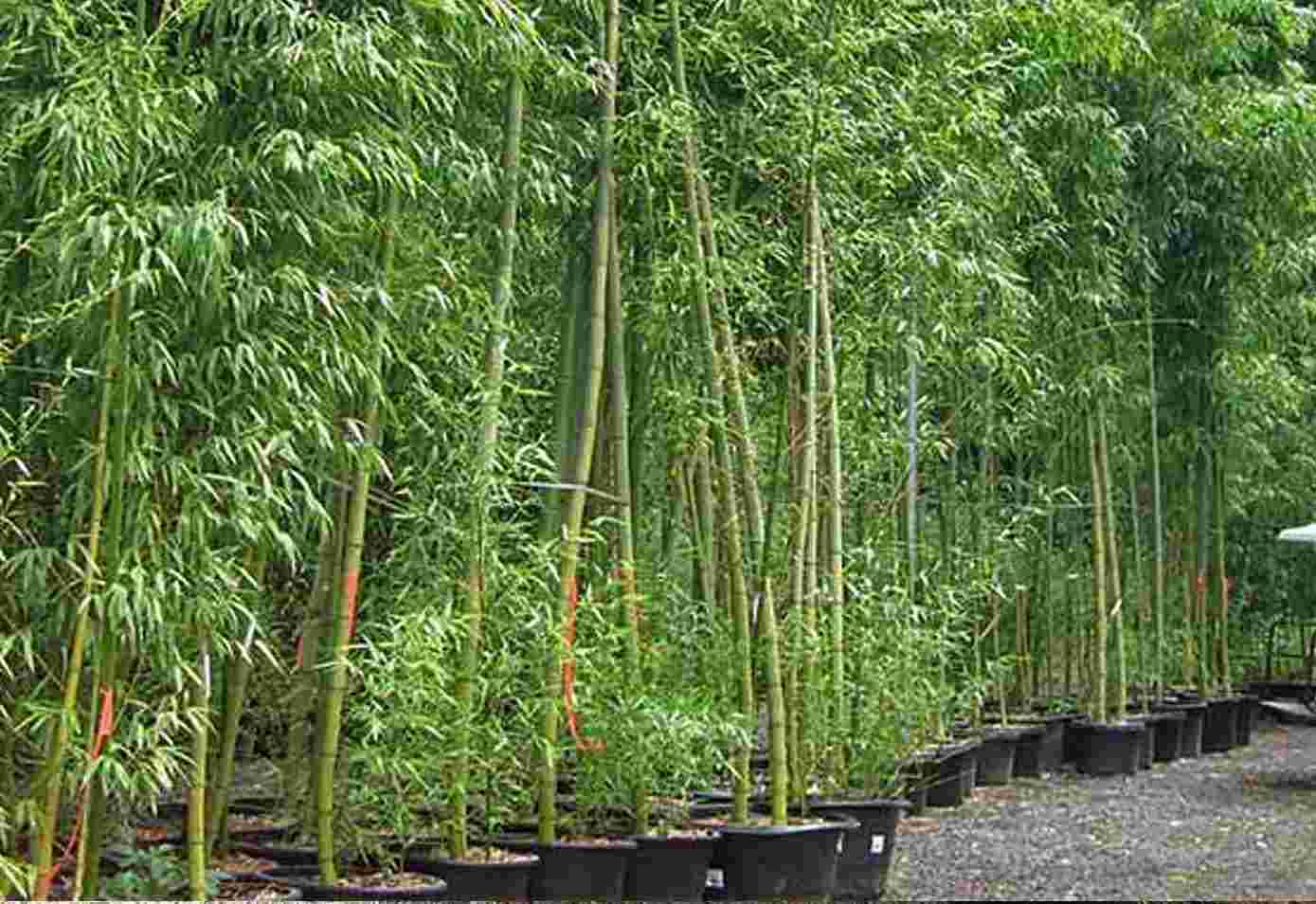
He advocated greater use of indigenous materials such as laterite and bamboo, as well as stabilised earth blocks, to promote affordable and sustainable construction.
The dean identified curriculum localisation, material and climate literacy, knowledge production and practical training as four pillars for transforming built environment education.
He urged institutions to develop practical projects around communities such as Makoko, Alimosho and Yaba, rather than rely mainly on hypothetical European locations.
Aladeloba also called for stronger collaboration among universities, research institutions, professional bodies, artisans and governments to ensure that trainings would address industry needs.
He recommended that students should spend 70 per cent of their trainings on fieldwork and 30 per cent on theory to strengthen practical skills.
He also advocated enforcement of building regulations, stronger checks against adulterated construction materials, action against quackery, and increased funding for research into low-carbon local materials.
He said sustainable building practices were essential, noting that buildings contributed significantly to greenhouse gas emissions while sustainable features could reduce costs and save lives.
Aladeloba urged stakeholders to move beyond criticising the education system and participate actively in reforms that would improve graduate employability and address Nigeria’s development challenges. He said a decolonised curriculum would enable graduates to develop locally-relevant solutions to housing shortages, waste management and building collapse. (NAN)
