


By Victor Itodo Abuh

ALTHOUGH located in the heart of the nation, literally a stone throw from the most influential corridor of power in the country, which by implication ought to be the most fortunate of Nigeria’s universities, the University of Abuja (UNIABUJA), however, has paradoxically never really known peace.
While it is most privileged in comparison to other federal universities by sheer fact of its locale to easily tap from the rich social, economic, political, environmental and a throve of other national treasures to intellectually flourish as one of Nigeria’s leading universities or centres of research, UNIABUJA continues to instead thrive in crisis of leadership and regressive politicking, both of which combine to deny it the essential atmosphere for fecund scholarship.

After five years of continuous tension and conflict under the leadership of its the sixth substantive vice chancellor, Prof. Abdul-Rasheed Na’Allah, the University of Abuja has again been shoved into another crisis with the controversial appointment of Prof. Aisha Maikudi as the substantive Vice-Chancellor.
The crisis at UNIABUJA has raised significant concerns about governance in Nigerian universities. Critics argue that the situation undermines the credibility of leadership appointments and threatens academic standards.
The decision, made by the institution’s Governing Council on December 31, 2024, has sparked widespread protests, petitions, and accusations of procedural irregularities.
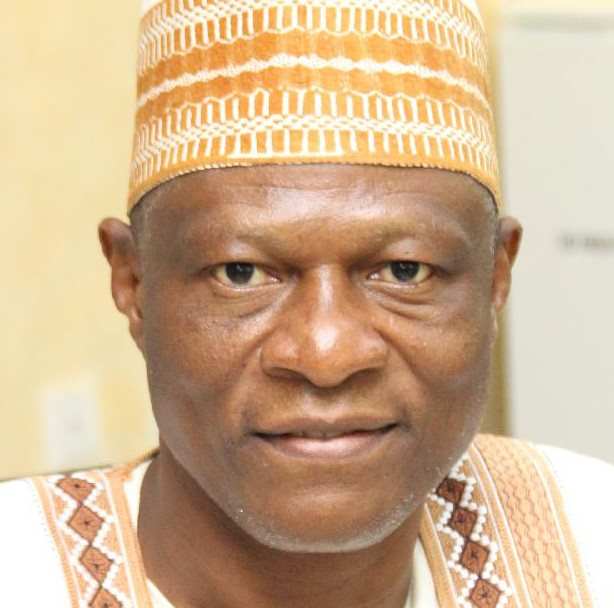
At the heart of the controversy are allegations that Prof. Maikudi, said to have only two years of professorial experience, and therefore by virtue of extant regulations governing appointments of university vice chancellors, and as advertised, is unqualified to be appointed for failing to meet the requisite condition of at least 10 years of professorial experience for the vice chancellor position.
Critics of her appointment, majorly from the university’s community, argue that her appointment undermines academic standards and due process.
Forty-three aggrieved professors, in a petition dated January 2, 2025, addressed to President Bola Ahmed Tinubu, expressed their dissatisfaction with the process. They accused the Kaita-led Governing Council of the university of favouritism, disregard for university laws, and abuse of privileges.
For smooth access, follow National Record Channel on WhatsApp
The professors urged President Tinubu to nullify the Council’s decisions and reconstitute a new one to oversee a fresh, transparent appointment process.
They argued that failure to act could set a dangerous precedent for other universities.
“Such events not only undermine the Renewed Hope Agenda of Mr. President but also risk setting a dangerous precedent for other Governing Councils in appointing Vice-Chancellors across Nigerian universities,” the professors stated in their petition.
On January 15, 2025, over 50 professors and senior lecturers staged a protest at the Federal Ministry of Education, demanding the dissolution of the Governing Council and the nullification of Maikudi’s appointment.
The demonstrators also criticised the ministry’s apparent inaction compared to its swift intervention in similar cases, especially the recent annulment of the appointment of the Vice Chancellor of Nnamdi Azikiwe University, Awka, Anambra State.
“The process by all standards is against the law and laid down procedures. If the Minister finds what is done in Awka wrong, why is he dragging his feet on that of UniAbuja?” asked a protesting lecturer.
The Senate of the University of Abuja has also been vocal in its disapproval. In a letter dated December 27, 2024, and signed by 43 members, the Senate passed a vote of no confidence in the Governing Council, citing manipulation, irregularities, and a lack of integrity in the selection process.
Tensions escalated when a Senate meeting convened to address the issue was disrupted by alleged hired thugs. Witnesses described the chaotic scenes where vigilantes overturned tables, shredded attendance sheets, and attempted to seize recording devices.
“This is the lowest point we have got to in this university. Beating Senate members? The desperation is unbelievable,” a source recounted.
Adding to the turmoil, the UNIABUJA chapter of the Academic Staff Union of Universities (ASUU), has been engulfed in its own internal crisis.
A meeting last Tuesday ended in chaos as members clashed over allegations that their leadership was complicit in the alleged irregularities surrounding Prof Maikudi’s appointment.
UNIABUJA’s future, and by implication, the future of other public universities in Nigeria, is hanging in the balance. As one professor aptly put it: “This situation is a test of our commitment to justice, fairness, and the future of education in Nigeria.”
“ASUU’s meeting ended abruptly due to the alleged complicity and compromise of the branch leadership in the fraudulent manipulations that led to the emergence of Prof. Aisha Sani Maikudi as the substantive VC of the University of Abuja,” a discontented member who is well-informed on the matter, but pleaded anonymity, confided in National Record on Wednesday.
The crisis at UNIABUJA has raised significant concerns about governance in Nigerian universities. Critics argue that the situation undermines the credibility of leadership appointments and threatens academic standards.
The petitioning professors warned: “Failure to address our concerns will have far-reaching consequences for the university and the higher education system in Nigeria as other Governing Councils will gladly emulate this ugly and unfortunate path.”
Stakeholders are calling on President Tinubu and the Ministry of Education to intervene decisively to restore integrity and fairness to the process.
For the professors, who constitute majority of the university’s Senate, a transparent review of the appointment process could help rebuild trust and maintain UNIABUJA’s reputation as a centre of academic excellence.
For now, the university remains a battleground of protests, petitions, and unresolved tensions, the obvious casualty of which is scholarship and the most vulnerable victims the students of the university.
UNIABUJA’s future, and by implication, the future of other public universities in Nigeria, is hanging in the balance. As one professor aptly put it: “This situation is a test of our commitment to justice, fairness, and the future of education in Nigeria.”
