


AS NIGERIA strives to protect children from vaccine-preventable diseases, mothers have been urged to ensure their children receive every vaccine recommended under the World Health Organization (WHO) immunisation schedule, warning that missed vaccinations can leave children vulnerable to life-threatening illnesses.
Speaking with National Record, the Senior Technical Advisor for Advocacy and Stakeholder Engagement at the Institute of Human Virology Nigeria (IHVN), Dr. Temitope Kolade, said routine immunisation is one of the most effective ways to protect children against diseases such as polio, tuberculosis, hepatitis B, diphtheria, tetanus, rotavirus diarrhoea, and pneumococcal infections.
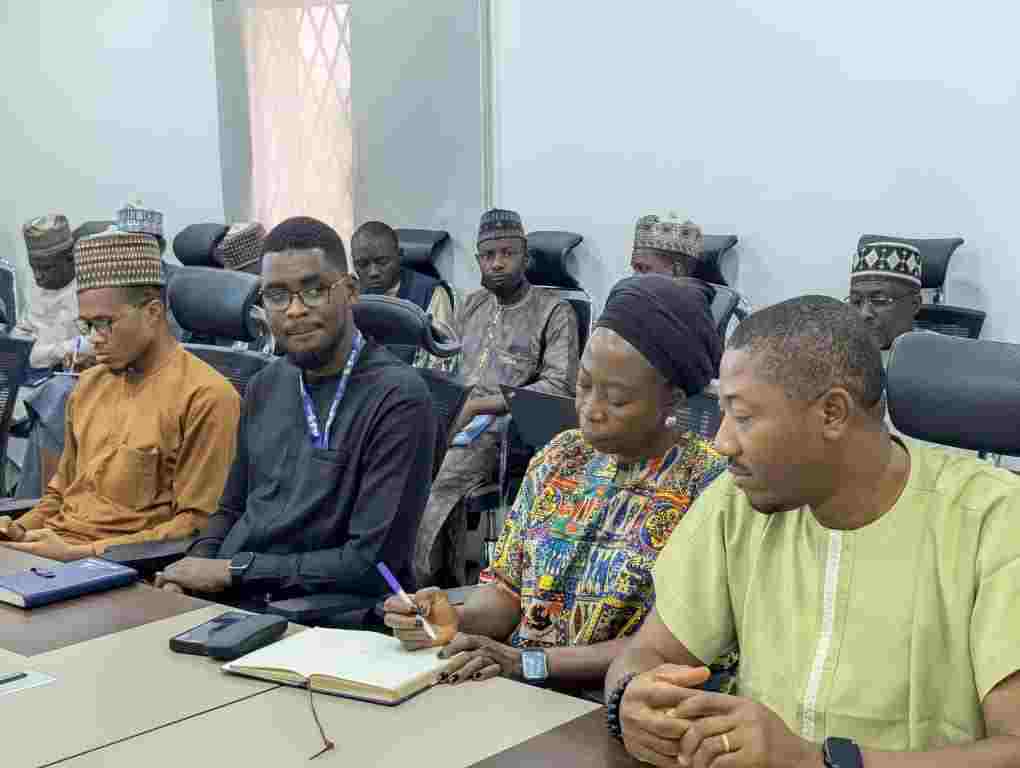
She said vaccines protect children before they are exposed to disease, strengthen immunity at the right stage of development, and reduce illness, disability, and deaths from vaccine-preventable diseases.

According to Dr. Kolade, Nigeria’s routine immunisation schedule aligns with WHO recommendations and is implemented by the National Primary Health Care Development Agency (NPHCDA). “These vaccines have been used safely for decades and their effectiveness is well established. It is far better to protect children than to leave them vulnerable to diseases that require more time, money, and effort to treat,” she said.
She advised women to begin preparing for their child’s immunisation during pregnancy by registering early for antenatal care, where healthcare workers educate expectant mothers on the vaccines their babies will need from birth.
Dr. Kolade explained that newborns receive the BCG vaccine and the birth dose of the oral polio vaccine shortly after delivery, urging mothers to continue attending scheduled vaccination visits until their children complete the recommended immunisation schedule.

She said successful immunisation depends on strong partnerships. IHVN, through Gates Foundation-funded Identify, Enumerate and Vaccinate (IEV) Project, works with community-based organisations such as the Chigari Foundation and the Sultan Foundation to mobilise communities, while the World Health Organization (WHO) provides technical and operational support, including training and field implementation.
The Institute also collaborates with eHealth Africa to manage the electronic data collection system used during vaccination campaigns. According to Dr. Kolade, the application works offline in areas with poor internet connectivity, allowing field teams to upload data later when network access becomes available.
She said the digital system has improved the accuracy of immunisation records and strengthened efforts to ensure that every eligible child receives life-saving vaccines.
