


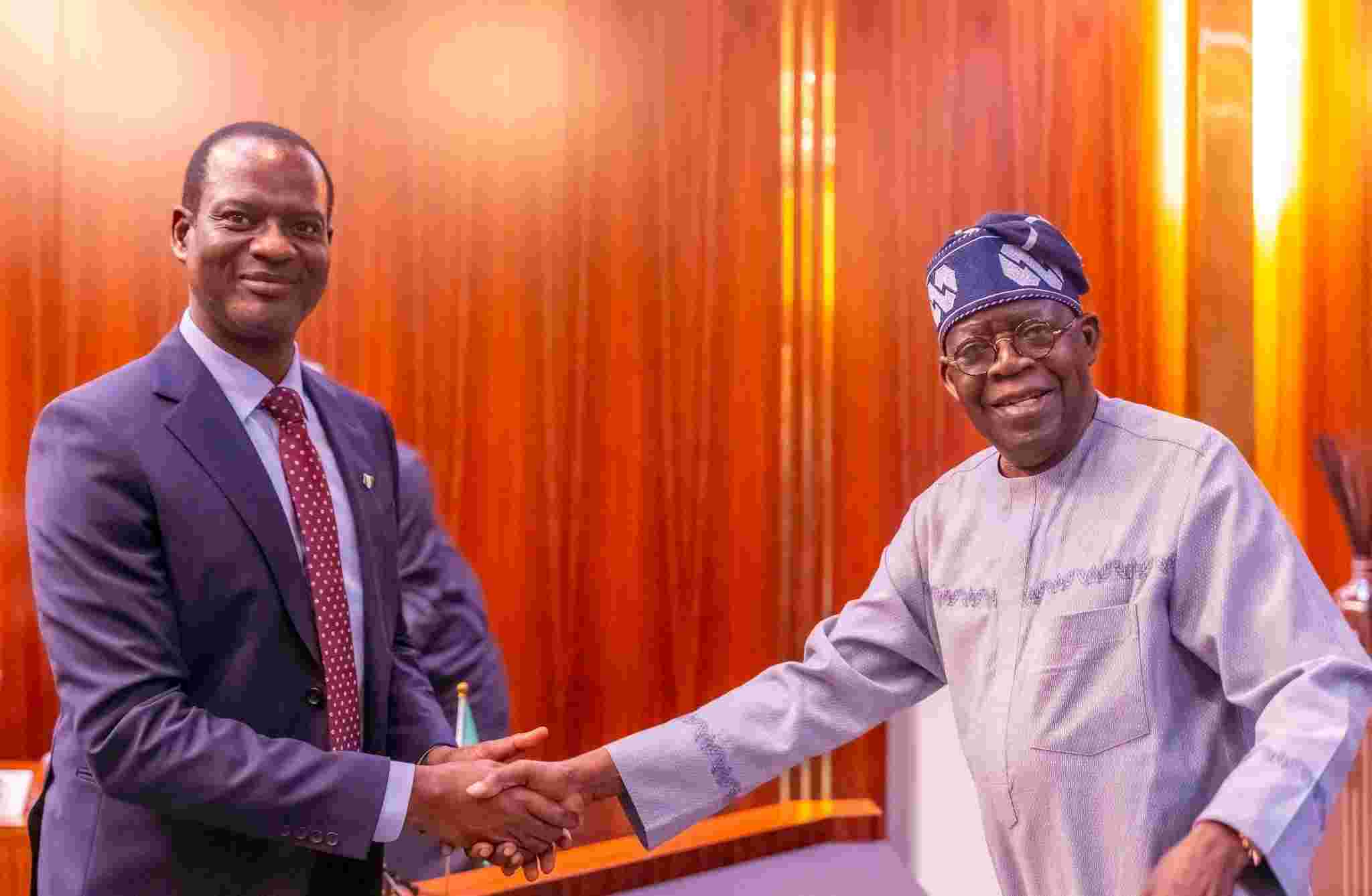
By Our Reporter, With Agency Reports
THE MINISTER of Finance and Coordinating Minister of the Economy, Mr Taiwo Oyedele, has said the fiscal gains from removing petrol subsidies and liberalising the foreign exchange market have been largely absorbed by rising debt-servicing obligations and increased public spending, as he defended sweeping economic reforms that have come under mounting public scrutiny.
The Finance Minister, speaking at the African Emerging Markets Forum in Abuja on Thursday, said fuel subsidies and what he described as an implicit foreign-exchange subsidy had cost Nigeria roughly 5% of GDP before their removal.

He said part of the savings had been absorbed by higher debt-servicing costs, with borrowing rates rising to as much as 24% from around 8% before the reforms.
He added that the government’s wage bill nearly doubled after the minimum wage was more than doubled to ₦70,000 naira (about $51) a month.
The government, he said, has also increased spending on an education loan programme that provides tuition support and monthly stipends to more than 1.5 million students.
Oyedele rejected a recent IMF assessment that millions of Nigerians remained in poverty despite reforms welcomed by investors, arguing that a temporary decline in real incomes was inevitable after subsidy removal.
He said the government would track progress through multi-dimensional poverty, real per-capita income growth, and income inequality, rather than by headline GDP growth alone.
Oyedele, who took office as Minister of Finance and as well as the role Coordinator of the economy on April 21, 2026, succeeding Mr Wale Edun, served as Chairman of the Presidential Committee on Fiscal Policy and Tax Reforms.
It could be recalled that President Bola Ahmed Tinubu’s 2023 reforms was backed the International Monetary Fund (IMF) and the World Bank, amongst others foreign interests.
The reforms immediately drove up living costs for millions of Nigerians, raising scrutiny of how the resulting savings from the withdrawal of subsidy on petrol have been used.
But Oyedele said while the reforms introduced by President Tinubu’s had generated significant fiscal savings, much of the benefit had been swallowed by higher debt repayments and government expenditure, limiting the immediate impact on public finances.
The comments come amid persistent criticism over whether Nigerians have seen tangible benefits from the painful reforms.
Tinubu, who took office in May 2023, immediately ended Nigeria’s decades-old petrol subsidy regime and later allowed the naira to trade more freely, policies long advocated by IMF and World Bank, who had for decades argued the measures would reduce distortions in Nigeria’s economy, strengthen public finances and attract investment.
Instead, the reforms had triggered a sharp increase in fuel prices, accelerated inflation and significantly raised the cost of living for majority of Nigerians. Transport fares, food prices and other household expenses surged, fuelling widespread public dissatisfaction and prompting repeated demands for greater transparency over how the savings generated from the reforms have been deployed.
Oyedele said the government had been forced to devote a substantial share of the fiscal gains to servicing existing debt while also increasing spending in priority areas, leaving less room for visible improvements in public services and infrastructure. He maintained that the reforms were necessary to restore macroeconomic stability and place the economy on a more sustainable footing over the medium term.
The administration has consistently argued that the previous fuel subsidy system was fiscally unsustainable, consuming billions of dollars annually while disproportionately benefiting wealthier Nigerians and encouraging inefficiencies in the downstream petroleum sector.
Successive governments have consistently argued that ending the subsidy would free up resources for investment in infrastructure, education, healthcare and social protection, with progressive civil society organisations and organised labour countering that doing so, if at all, would demand measures necessary preconditions to shield the working class, particularly vulnerable households from higher living costs.
Nigeria’s debt-servicing burden has become one of the government’s biggest fiscal challenges, limiting the resources available for development spending despite efforts to boost revenue and improve macro-economic management.
Despite the economic hardship experienced since the reforms began, the government maintains that the measures are beginning to stabilise key macro-economic indicators and are essential to restoring investor confidence in the country’s economy.
Officials argue that the long-term benefits will outweigh the short-term pain, even as many Nigerians continue to grapple with rampaging inflation that has weakened purchasing power.
