


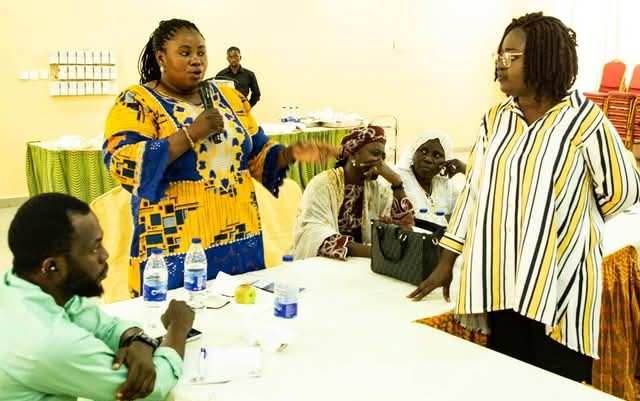
RISING drug use among young Nigerians is emerging as a growing driver of HIV infections, with public health experts warning that unsafe injecting practices, especially the sharing of needles and syringes, are exposing more adolescents and youths to the virus and other life-threatening infections.
Mrs Comfort Ochigbo, the Lead for Prevention and Key Populations, Institute of Human Virology Nigeria (IHVN) told National Record that harm reduction has become a critical part of Nigeria’s HIV prevention response, particularly for young people vulnerable to drug use, mental health challenges, poverty and peer pressure.

She disclosed that Nigeria currently implements 10 harm reduction intervention packages, which have now expanded to 11 under the Grant Cycle 7 (GC7) with the inclusion of psychosocial support.

According to her, understanding why young people use drugs is key to reducing their vulnerability to HIV and other health risks. “To truly understand the challenges predisposing young people to the harmful effects of drug use, it is important to identify the causes and how these vices have impacted them,” she said.
Ochigbo explained that the programme adopts peer-led and person-centred approaches to better understand the realities facing young people and improve access to tailored community services. She said IHVN has strengthened its interventions by addressing major drivers of drug use, including poverty, peer influence and mental health challenges, while promoting behavioural change and informed decision-making.
According to her, the programme is anchored on HIV combination prevention services and integrated TB/HIV care, including HIV testing and tuberculosis screening. She added that needle and syringe services are also provided to reduce the sharing of injecting equipment among people who use drugs. “We provide tailored services where new, clean needles and syringes are made available to ensure there is no sharing that may expose individuals to blood-borne infections such as hepatitis and HIV,” she said.
Ochigbo further explained that the intervention package includes Pre-Exposure Prophylaxis (PrEP) services for people at risk of HIV infection, delivered through a choice-based model that allows clients to access services according to their needs and preferences.
She noted that hepatitis C screening, psychosocial support, mental health services and gender-based violence screening also form critical components of the programme, helping to identify vulnerabilities and connect beneficiaries to appropriate care and support services. Top of Form
