


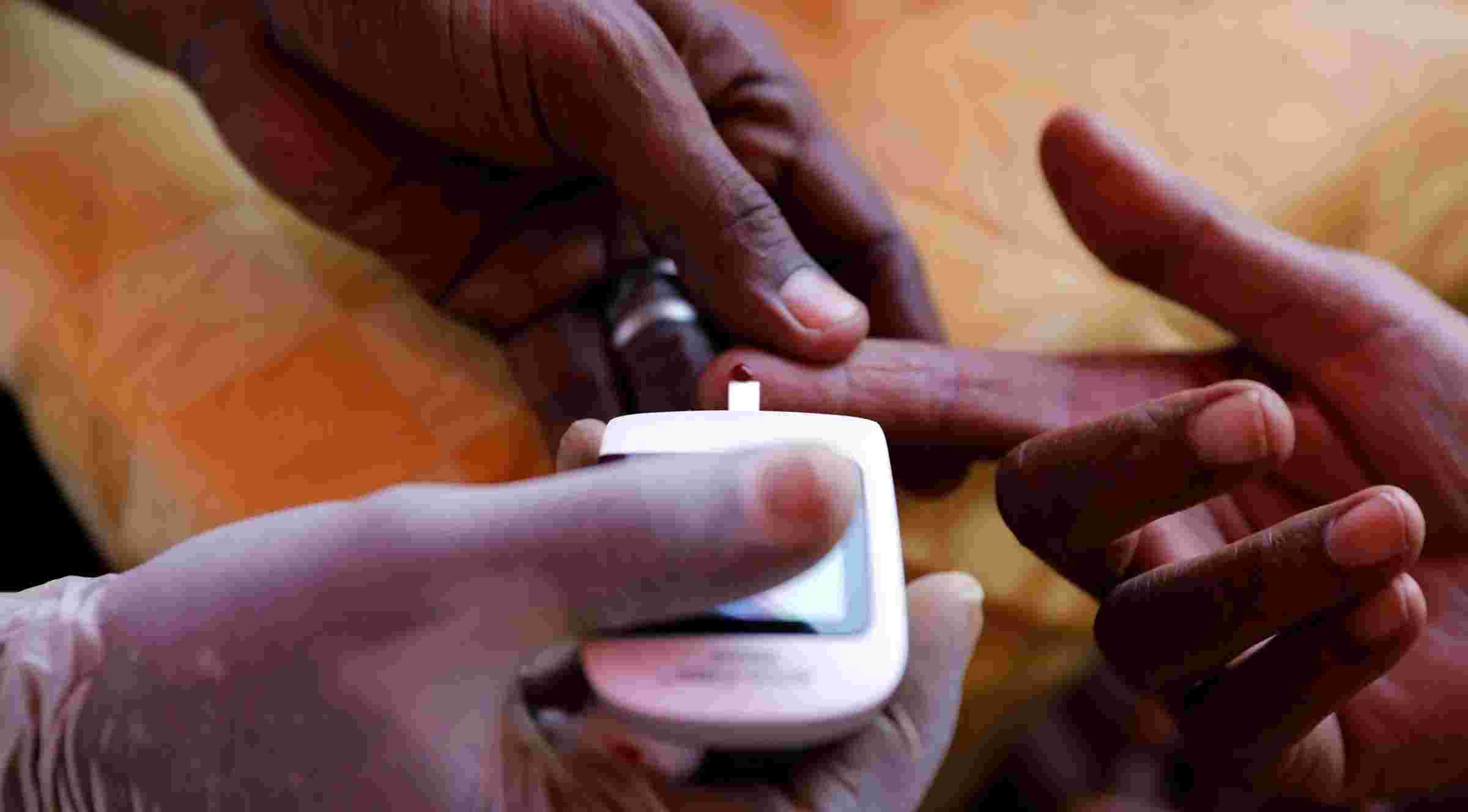
AN EPIDEMIOLOGIST and Public Health Consultant, Dr Akujuobi Igwe, on Wednesday called for a cultural shift in the nation’s eating consciousness to reduce Diabetes Mellitus (DM) among the populace.
In an interview with the News Agency of Nigeria (NAN) in Lagos, Igwe said the eating habit should shift from highly processed food items to the consumption of whole foods rich in fibre, fruits and vegetables.
NAN reports that diabetes mellitus is a non-communicable disease associated with increased level of glucose due to inadequate supply of insulin (known as Type 1 diabetes) or inability to use insulin efficiently (known as Type 2 diabetes).

According to him, studies suggest a focus on increased intake of vegetables, grains, fiber-rich for and dairy while managing sugar and calorie intake.
He explained that poor dietary habits, often characterised by high intake of processed foods and low consumption of fruits and vegetables, were major drivers of the disease.
Highlighting the need for people to be conscious of what to eat, Igwe said that moderation and timing of the food intakes should also be put into consideration.
Igwe decried the common eating habits by majority of the populace, often centred on carbohydrates with less attention on protein, fruits and vegetables.
“Be conscious of what to eat, when to eat and even the quantity to take, as lifestyle changes are crucial for managing and preventing Type 2 DM.
“Reduce the intake of refined diet and increase the intake of diet high in fibre, fruits and vegetables.
“Also minimise high caloric diet which can lead to overweight and obesity causing insulin resistance.
“Exercise regularly and avoid sedentary lifestyle.
“Avoid smoking and reduce or avoid alcohol use including energy drinks,” Igwe said.
He explained that the prevalence of DM was increasing worldwide, and it was projected that by the year 2030, no fewer than 500 million adults would be affected by the disease.
He added that a report from the World Health Organisation (WHO) revealed that no fewer than 24 million African adults were living with diabetes.
According to Igwe, in Nigeria, many people are believed to be living with diabetes and the country’s diabetes prevalence rate is one of the highest in Africa.
The epidemiologist said that the increase of diabetes among the Nigeria populace could be as a result of urbanisation, poor dietary and aging of the population.
He noted that, however, the prevalence of DM was still lower in traditional rural areas than urban communities due to the sophisticated and western lifestyles practised in the urban cities.
Igwe urged Nigerians to cultivate healthy eating habits by reducing the intake of refined diet and increasing the intake of diet high in fibre, calling for massive public education on best nutritional habits and practices.
“In Nigeria, all kinds of drinks, noodles and processed food products are in circulation and freely consumed by the citizens without proper quality assurance, effective regulation and approval for consumption.
“No doubt, this attitude affects major organs of the body which helps the body in carrying out its metabolic functions effectively. These organs begin to fail early in life with one of the outcomes being, diabetes.
“Efforts should be made by government agencies, non-governmental bodies, public health experts, health care practitioners, associations and the media in educating citizens in the best nutritional habits and practices,” Igwe said.
The epidemiologist stressed the need for regular medical checkup, saying that if a routine checkup showed prediabetes, it could be reverted to normal glucose with the help of good medical advice and treatment. (NAN)
