


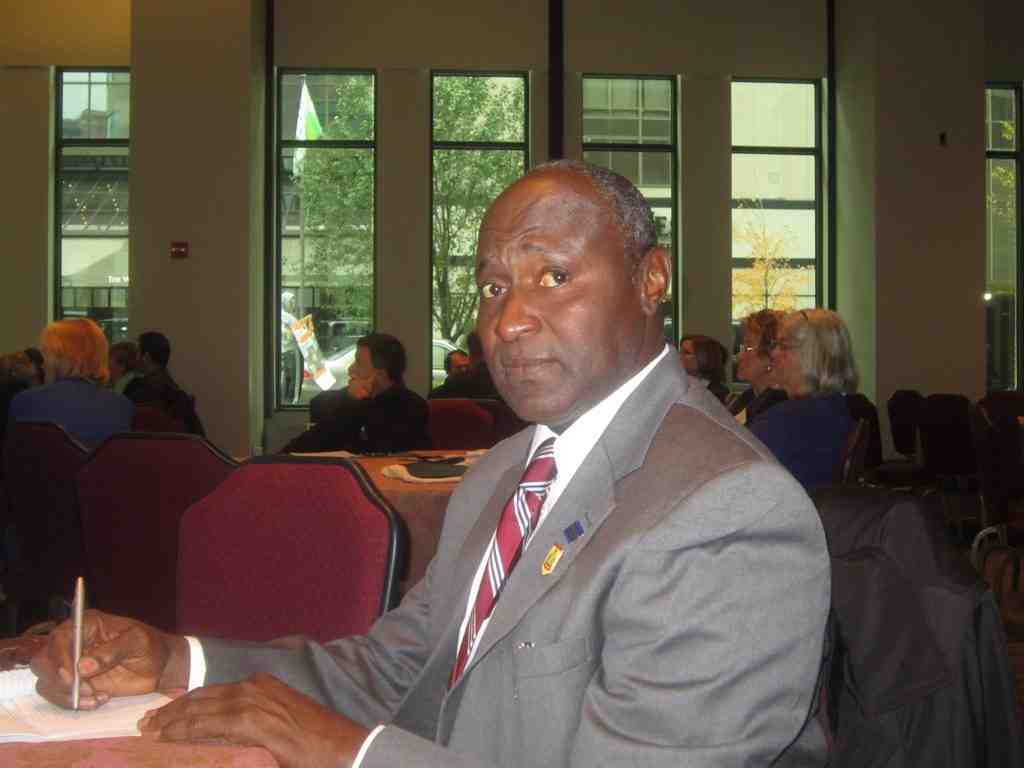
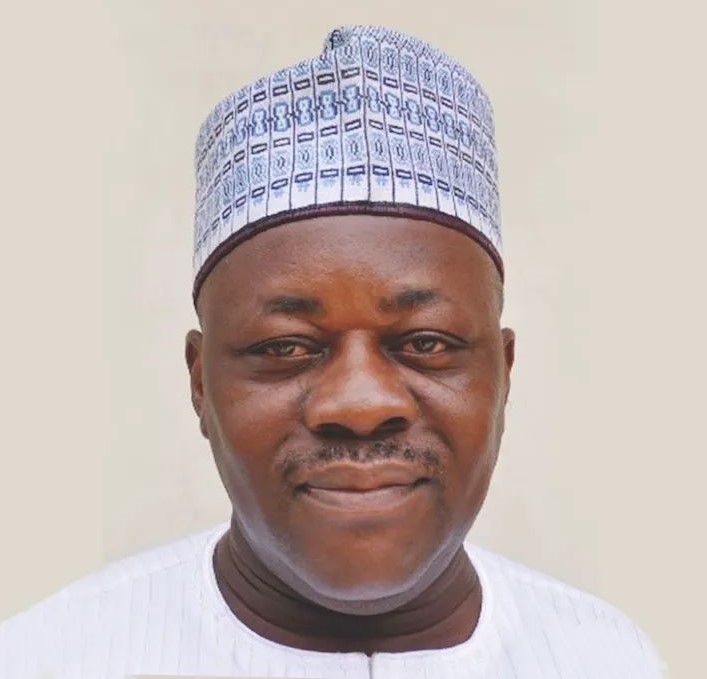
ON 11TH DECEMBER 2025, we lost our dear comrade and friend, Abubakar Sokoto Mohammed. Sokoto, as we all called him, was the very definition of a progressive. His life was a permanent struggle to leave society better than he found it, to improve the lives and livelihoods of the downtrodden and to defend causes that would improve justice, equality, social harmony and peace.
Sokoto joined the Department of Sociology of Ahmadu Bello University as a graduate assistant in 1976 only after a petition teacher and friend, Dr. Patrick Wilmot, who had discovered that there was a plot to drop all four proposed graduate assistants of the 1976 set for their excessive radicalism – the gang of four were Ntiem Kungwai, S. A. Nkom, Richard Umaru and Abubakar Sokoto. They were all radical intellectuals with a commitment to social transformation.
Comrade Sokoto was a pillar of the socialist collective in Ahmadu Bello University, known as the Zaria Group, where we worked together for many years. He was a very disciplined comrade and would diligently carry out all his assignments and devoted time to the training of younger comrades. He was a networker for the Zaria Group and would travel all over the country liaising with comrades, disseminating our work, and forging collaborative projects. He was active in successive socialist platforms established at the national level such as Socialist Congress of Nigeria (SCON).
1976 was indeed the year that radical students trained by the rich corps of radical lecturers started transiting into faculty positions to initiate the rich tradition of radical scholarship that was to define the university for the next three decades. Abubakar Sokoto Mohammed remained a shining star of the tradition in spite of numerous intrigues to get him out of the university and he resisted for as long as possible.

ALSO READ: Borno: Empathy, Resilience And Zulum’s Enduring Spirit; By Zainab Suleiman Okino
Abubakar Sokoto Mohammed was a very nice human being. He was always full of smiles and friendly gist. Every time you meet him, he would remind you of old jokes you have had together and talk of old times. He had a deep commitment to Nigerian unity and progress and detested ethno-religious bigotry.
He was also a Pan-Africanist and his last academic presentation just a couple of days before his death was a zoom presentation for the Fanon Centenary Conference in Jos delivered just after the medical procedure that preceded his death. It was the final sign of his deep commitment to struggle.
Sokoto was a committed intellectual whose entire career was devoted to the social question in Nigeria and indeed in Africa and the rest of the world. The key questions for him were the elimination of poverty, class exploitation, racial and ethnic oppression of the other and the manipulation of identities. This spirit is reflected in his major publication – The Satiru Revolt of Peasants and Slavs in the Sokoto Caliphate.
He used primary and secondary sources to provide a rich understanding of this revolt of 1906 in the early colonial period. He showed that the people were fed up with elements of feudal oppression in the Caliphate including persistent slavery and the emerging doubling of oppression with the establishment of “Pax Britannica”, the massive repression they called peace three years earlier.
ALSO READ: Not Experience, But Integrity; The Case For Peter Obi; By Abadom Lawrence Amechi
He traced the limitations of the policies of pre-colonial and colonial social formations at that time. He also drew attention to the brutality of the newly established colonial regime that decided to burn every single house in Satiru to the ground and kill every member of the community they could trace. Satiru was wiped out and not allowed to be rebuilt up till this time.
His quest for justice led him to devote considerable time while at ABU to the struggle against Apartheid in Southern Africa, serving as a major pillar in the establishment of the Movement for Progressive Nigeria (MPN), the Youth Solidarity on Southern Africa in Nigeria (YUSSAN) and the Nigeria-ANC Friendship and Cultural Association (NAFCA). His articles and writings were deep and he would always give good examples to illustrate the point he is trying to make.
Sokoto had very wide professional experience and taught sociology at the beginning of his career in Ahmadu Bello University, Zaria and at Usmanu Dan Fodiyo University at the end of his career. He was very interested in journalism and worked in Crystal Magazine, Sokoto State Broadcasting Corporation and the Path Newspaper in Sokoto. He was also both a participant and a directing staff at the National Institute for Policy and Strategic Studies in Kuru.
ALSO READ: The Insecurity Triad: Money, Land, And Mind — A Definitive Articulation
Comrade Sokoto was a pillar of the socialist collective in Ahmadu Bello University, known as the Zaria Group, where we worked together for many years. He was a very disciplined comrade and would diligently carry out all his assignments and devoted time to the training of younger comrades. He was a networker for the Zaria Group and would travel all over the country liaising with comrades, disseminating our work, and forging collaborative projects. He was active in successive socialist platforms established at the national level such as Socialist Congress of Nigeria (SCON).
He brought the same zeal to the struggle for gender equity and equality, leading him to join colleagues and other comrades in forming the radical feminist organisation, Women in Nigeria (WIN). Across all these spaces and spheres, he directly impacted thousands of people.
As crusader for academic freedom and institutional autonomy, he was a staunch member of the Academic Staff Union of Universities (ASUU). He lived a life that inspires and left a lasting legacy full of lessons worthy of celebration, honouring, and preserving.
ALSO READ: Tinubu Presidency: Governance Is About Truth And Explanations, Not Propaganda; By Owei Lakemfa
How Middle East Ceasefire Efforts Collapsed Over Lebanon; By Lawan Musa Danlami
His quest for justice led him to devote considerable time while at ABU to the struggle against Apartheid in Southern Africa, serving as a major pillar in the establishment of the Movement for Progressive Nigeria (MPN), the Youth Solidarity on Southern Africa in Nigeria (YUSSAN) and the Nigeria-ANC Friendship and Cultural Association (NAFCA). His articles and writings were deep and he would always give good examples to illustrate the point he is trying to make.
For all these reasons and more, friends, colleagues, comrades, and other people so impacted by him have decided to celebrate his life with a view to making a legacy to a wider population and for his rich engagements to continue to inspire many people in the hope to make Nigeria and Africa a better place.
Please join us for the Abubakar Mohammed Sokoto Symposium and Book Presentation. On 29th April 2026 at 10 a.m. BON Elvis Hotel, No 2 Victoria Street, Wuse 2, Abuja. His book on the Satiru Revolt will be on sale by the Abubakar Sokoto Mohammed Foundation.
Ibrahim is a professor of Political Science and development consultant/expert, and Senior Fellow of the Centre for Democracy and Development. He is also the Chair of the Editorial Board of Abuja-based online newspaper, PREMIUM TIMES.
