


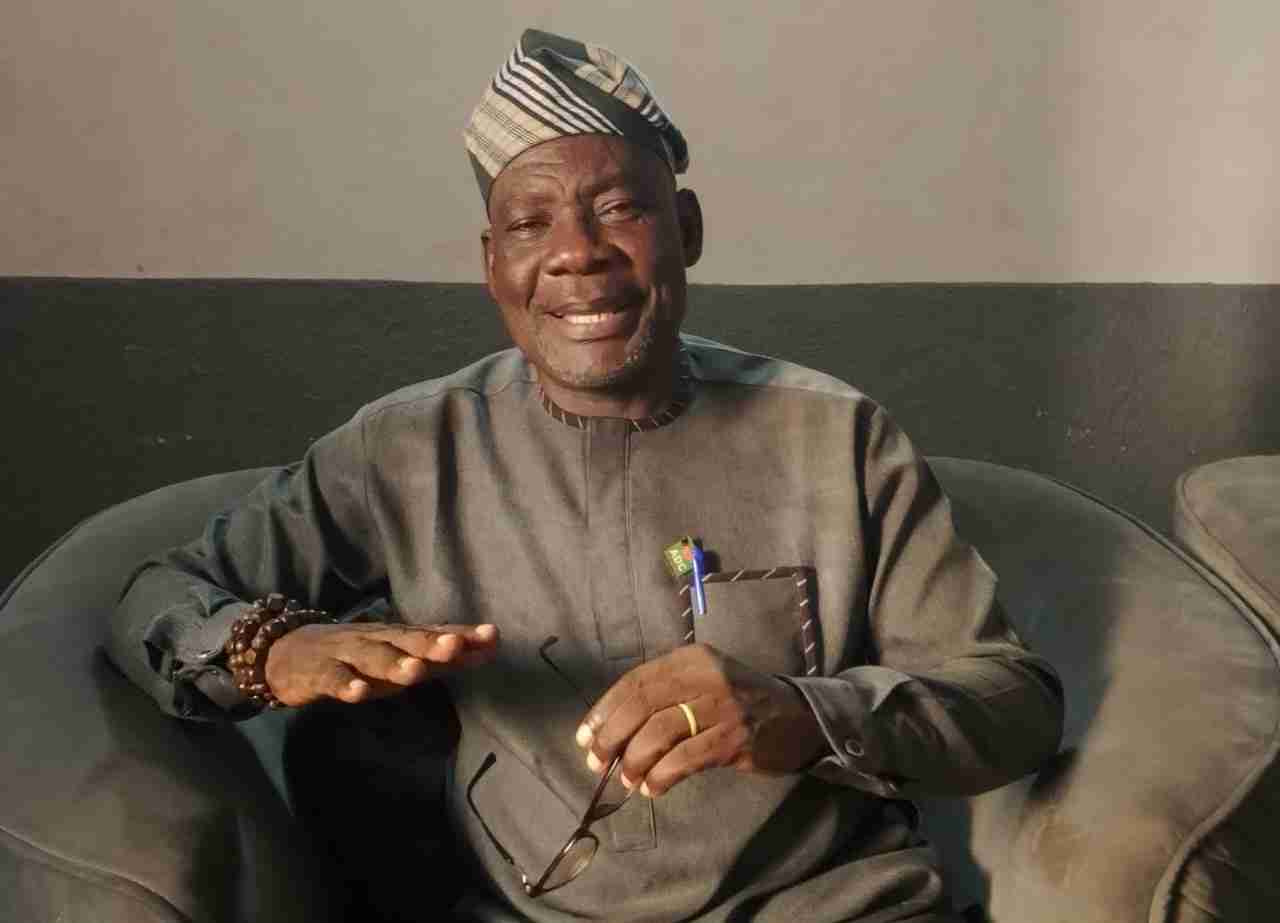
In this interview with NATIONAL RECORD’s Editor-in-Chief, IDUH ONAH, African Democratic Congress (ADC) candidate for Okpokwu State Constituency in the Benue State House of Assembly, Honourble Stephen Ejembi Ola, explains why he moved from nearly three decades in federal public service into elective politics. He speaks candidly about the limits of legislative office, rejecting unrealistic campaign promises while outlining his plans for roads, agriculture, healthcare, education and youth development. Ola, who responds to questions with rather short and crisp answers untypical of politicians, also discusses his emphasis on accountability, quarterly town hall meetings, grassroots engagement and inclusive representation, as well as the challenges of money politics and party loyalty. At the heart of his message is a pledge to offer accessible and responsible representation — and to let voters judge him by his record rather than political slogans. Excerpts…
National Record (NR): Our glimpse of your CV indicates that you spent nearly three decades in federal public service. Why move into elective politics now just a year after retirement? Why not take a rest?
Hon. Stephen Ejembi Ola (Ola): Retirement from public service did not mean retirement from service to my people. I have spent a significant part of my life working within government systems, and that experience has shown me both what government can do and where it often fails the ordinary citizen. I believe I can bring that experience into direct representation of my people. For me, this is not about acquiring a title; it is more about moving from one form of service to another.

NR: Certainly, experience you have gathered, but in our politics, which I think you you know very well, civil service experience may not be everything. Why should Okpokwu trust you with political power?
Ola: Well, let me say that trust should never be demanded simply because somebody has a résumé. It must be earned. So, I am not only presenting my experience, but also my character, my record of service and my understanding of our communities for public scrutiny. If elected, I expect the people to continue scrutinising me. My belief is simple: representation must be accountable to the people, not merely to the politician.
NR: In in some of your recent engagements, you tended to criticise the phrase “tested and trusted.” Why that seeming distate for a concept, which I think, could be equated to experience?
Ola: “Tested and trusted” should never be a political decoration. Tested by whom? Trusted for what? Those are legitimate questions. In my own case, I invite people to examine my years in public service, my community engagements and the responsibilities I have undertaken. I am not asking anybody to accept a slogan in place of evidence. Let the record speak, and let the people make the judgement.
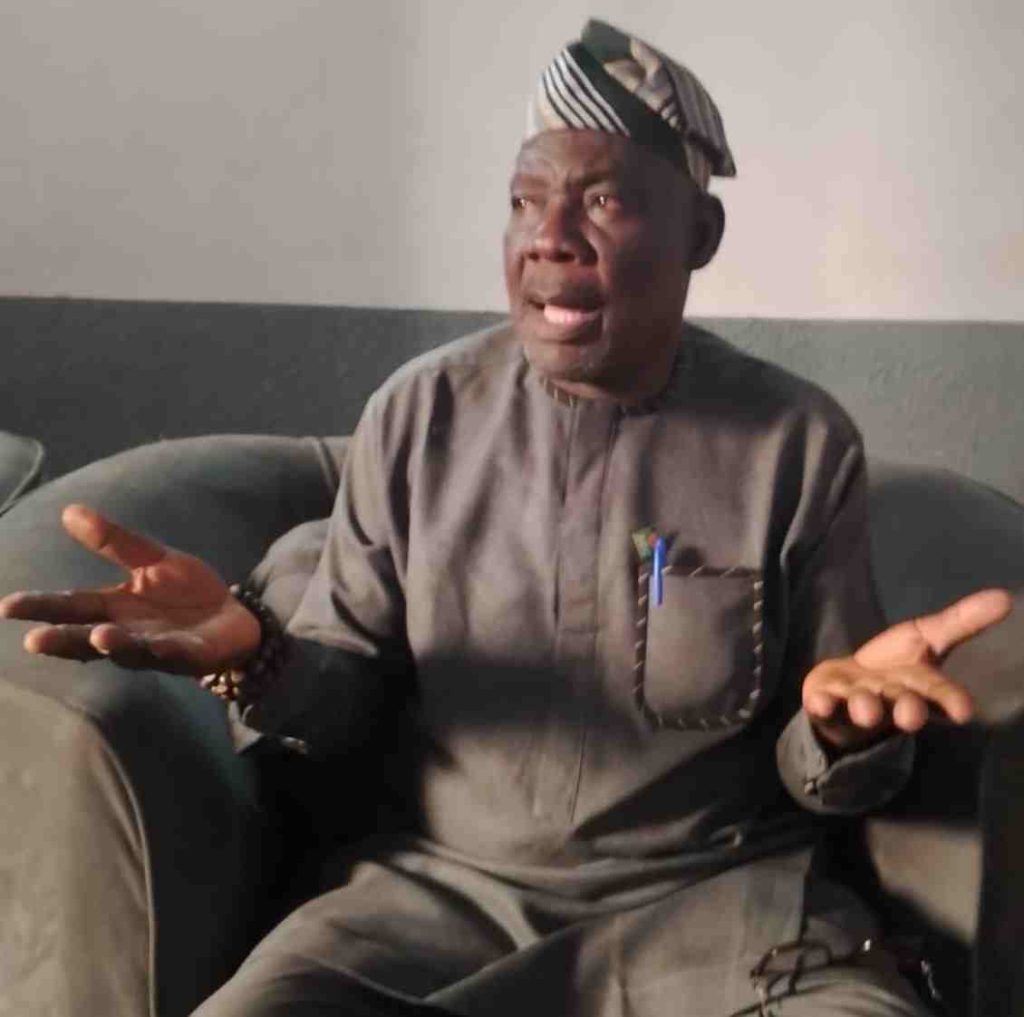
NR: Your campaign promises roads, water, healthcare and better schools. Can one legislator realistically deliver all that?
Ola: No legislator should pretend to be a contractor or governor. The State House of Assembly has specific constitutional responsibilities. My role would be to make laws, provide effective oversight, influence policy and budgetary priorities, and constantly draw government attention to the needs of my constituency. Where development projects require executive action, I would use the legitimate instruments available to a legislator to pursue them. The important thing is to understand the limits of the office while using its powers effectively.
NR: So, is promising projects during a campaign misleading?
Ola: It becomes misleading when a candidate presents himself as having powers he does not possess. I would rather tell the people honestly what a legislator can do and then commit myself to doing those things effectively. Representation is not about making every promise imaginable. It is about identifying priorities, pursuing them persistently and reporting back to the people.
NR: Your manifesto is heavily youth-focused, particularly football?
Ola: Because football is part of my own story. I know what it means to play on local fields, to have talent but lack equipment, structure or opportunity. Football taught me discipline, teamwork, resilience and how to respond to failure. But my interest goes beyond football.
The larger question is how we turn the energy and talent of our young people into skills, employment, enterprise and productive citizenship.
NR: Mini-stadia, youth leagues, coaching, starter kits and education support sound ambitious. Where is the money?
Ola: They are ambitious proposals, but ambition must be accompanied by structure and accountability. I am not saying one person will personally finance every programme.
The objective is to create partnerships and pursue legitimate government and institutional support while using whatever constituency opportunities are available.
We must also be realistic about what belongs to government, what belongs to private partners and what the community can contribute. The key is to move from promises to workable programmes.
NR: Your manifesto proposes quarterly town halls. Why should constituents believe this will not become another campaign slogan?
Ola: Because I believe representation should not end after an election. A quarterly town hall creates an opportunity for constituents to ask questions, raise complaints and hear what their representative has been doing.
I have also proposed ward-level youth liaisons because communication cannot always wait for a formal meeting. If I say I represent the people, they must be able to reach me and, importantly, question me.
NR: You repeatedly speak of accountability. Who will hold you accountable?
Ola: Ultimately, the people will. I have also said repeatedly that I am open to criticism, contributions, debate and positive ideas. Nobody is perfect.
A representative who surrounds himself with people who only praise him will eventually lose touch with reality. I would rather have people point out my shortcomings while there is still time to correct them.
NR: You call for “Service, Accountability, Transparency and Inclusivity.” What happens when your party disagrees with your constituency?
Ola: Party loyalty is important, but it cannot erase the responsibility of a representative to the people.
I joined the ADC because I believe in the principles we are presenting to Nigerians. But if elected, my first responsibility as a representative would be to the Constitution and to the people who gave me their mandate.
I would seek dialogue rather than confrontation, but I would not regard party membership as a licence to ignore constituency interests.
NR: ADC stakeholders adopted you as their consensus candidate. Does party consensus equal public consent?
Ola: Certainly not. Party consensus is an internal political process. It gives a candidate the platform to contest; it does not give him the people’s mandate. Only the electorate can do that. That is why I regard the general election as the real test. Party members may support you, but the people must ultimately decide whether you deserve to represent them.
NR: Your campaign stresses grassroots connection. What does that mean beyond rallies and photographs?
Ola: It means going to where people live, listening to them and returning to them. It means visiting communities, polling units and villages, not only appearing when there is an election.
People have different problems in different places. What a farmer in one community considers urgent may not be the same as what a young person or trader elsewhere considers urgent. Effective representation begins with listening.
NR: Many, if not all, the communities in your constituency, are riddled with several challenges – bad roads, poor water, weak healthcare and inadequate schools, and this is despite almost three decades of democratic governance. Why should voters believe 2027 will be different?
Ola: They should not believe simply because I make a speech. They should judge me by what I do with the opportunity, if given. These problems are real, and that is why they have featured consistently in our discussions.
My responsibility would be to keep them on the agenda of government, pursue appropriate interventions and report honestly on what has been achieved and what has not.
NR: You have a long administrative résumé. Could that make you too much of a bureaucrat for grassroots politics?
Ola: I don’t see administration and grassroots politics as opposites. Administration taught me how government systems work; grassroots engagement reminds me whom those systems are supposed to serve.
Experience becomes useful only when it can be translated into practical benefits for people. I would bring the knowledge of government to the concerns I hear from the grassroots.
NR: What is the single biggest problem you would take to the Assembly?
Ola: Poverty and the lack of opportunity, because they sit underneath many of our other problems. When people lack access to good roads, education, healthcare, productive agriculture and employment, poverty becomes self-perpetuating.
We need to attack those problems together rather than treating each one in isolation.
NR: You have spoken about rural roads and agriculture. Why place roads so high on your agenda?
Ola: Because roads are economic infrastructure. A farmer may produce a good harvest, but if the road from the farm to the market is impassable, the economic value of that production is diminished.
Poor roads also affect access to healthcare, schools and other services. Improving rural connectivity therefore goes beyond transportation; it is about opening economic opportunities.
NR: Your campaign talks about “one Okpokwu.” Politics often thrives on divisions. How would you avoid that trap?
Ola: By refusing to make representation a competition over who gets remembered and who gets forgotten.
Okpokwu is made up of different wards, communities and interests, but they share many fundamental challenges. My commitment would be to inclusiveness. No community should have to shout louder than another simply to be heard.
NR: Money politics is openly acknowledged in your campaign conversations. Can integrity really compete with inducement?
Ola: It is one of the hardest challenges in Nigerian politics. Hunger makes people vulnerable, and we should not pretend otherwise. But if poverty becomes the reason we surrender our political judgement, we create a cycle that keeps poverty alive.
My own position is that people should examine the character and capacity of candidates and vote according to their long-term interest. Money may influence a moment; good representation affects four years.
NR: What would you say to a voter who asks, “Why you, when every candidate promises development?”
Ola: I would tell that voter not to take my word for it. Compare the candidates. Examine their records, experience, character, understanding of the office and the seriousness of their plans. Ask what each person can realistically achieve. If, after that examination, the voter believes I am the better choice, then I will be honoured by the mandate.
NR: Finally, what should Okpokwu expect from Stephen Ola if elected?
Ola: They should expect a representative who is accessible, accountable and prepared to listen. I cannot promise that every problem will disappear overnight. That would be dishonest.
But I can promise to take the people’s concerns seriously, pursue them within the powers of the office, communicate what I am doing and allow the people to judge my performance. In the end, I would rather be remembered for what I accomplished than for how loudly I campaigned.
