


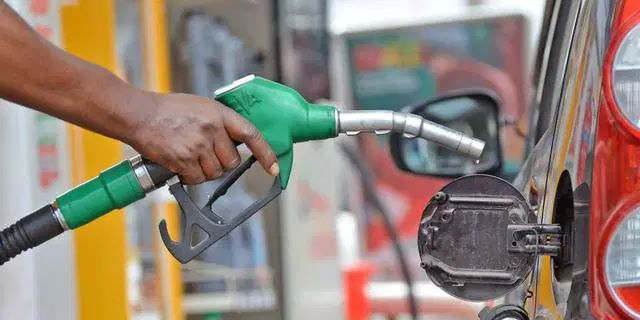
THE NIGERIA Labour Congress (NLC) has raised the alarm over the latest surge in petrol prices across the country, warning that the rising cost of the commodity is deepening the economic hardship confronting workers and other Nigerians.
NLC President, Comrade Joe Ajaero, in a statement dated Wednesday, September 16, 2026, said the increase in the pump price of petrol was inflicting widespread damage on household incomes and the general quality of life.
Ajaero said petrol was selling for about N1,430 per litre in major urban centres where the product was relatively accessible, while prices were significantly higher in less accessible areas.

He warned that the consequences of the price increases would extend far beyond the cost of transportation, arguing that higher transport costs invariably translate into increases in the prices of food, rent, school fees, tariffs and other essential goods and services.
“These new costs continue to inflict or deepen poverty among the populace, stressing the quality of life to the limits,” the labour leader said.
According to him, the latest increase was particularly concerning because it came at a time when government pressure on petroleum marketers to reduce pump prices in response to movements in international crude prices appeared to be yielding results.
He acknowledged that the latest pressure on domestic petrol prices had been triggered by the resurgence of conflict in the Gulf, but argued that Nigeria’s status as an oil-producing country meant that the impact on its citizens should not be as severe.
Ajaero pointed to Nigeria’s local refining capacity, much of which is now in private hands, as part of the country’s potential protection against external shocks.
He argued that Nigeria, given its substantial fossil-fuel resources, should have mechanisms capable of providing citizens with a buffer against international oil-market disruptions.
Demands Immediate Intervention
To cushion the effects of the current crisis, the NLC president called on the Federal Government to immediately introduce a package of measures aimed at protecting workers and consumers from the rising cost of petrol.
Among the measures demanded are reasonable wage awards for workers, increased supplies of crude oil to domestic refineries through naira-denominated transactions, and an expansion of the country’s strategic petroleum storage capacity.
Ajaero said the proposed measures could simultaneously provide relief to citizens, create employment and economic value, and strengthen the country’s ability to respond to future energy emergencies.
He also argued that government intervention in the form of subsidies or other forms of support should not automatically be dismissed, particularly during periods of exceptional economic pressure.
“There is nothing wrong with government subsidising the needs of citizens, especially in emergency situations like this,” he said.
The labour leader further claimed that oil-producing countries were responding to the current period of international instability with interventions or palliatives designed to protect their populations.
Calls for Use of Oil Windfall
Ajaero’s demands also centred on the Federal Government’s oil revenues, noting that the government was benefiting from crude oil prices significantly above the level used in preparing the national budget, putting the additional revenue at between $35 and $40 per barrel above the budgeted figure.
According to him, the additional earnings amounted to trillions of naira monthly and should provide the government with fiscal space to protect citizens from the effects of rising petrol prices.
“Government ought to be satisfied with this as it is a windfall,” he said.
The NLC president argued that part of such additional revenue should be deployed to cushion the impact of the fuel-price surge rather than allowing the full burden of international market volatility to fall on households and workers.
The statement did not provide a detailed calculation showing how the claimed monthly windfall was derived.
Questions Crude Supply to Local Refineries
Beyond the immediate crisis, Ajaero also raised concerns about the supply of crude oil to domestic refineries, questioning why local refineries were importing crude despite Nigeria’s status as a major crude oil producer.
He described the situation as unreasonable and contrary to the purpose of developing domestic refining capacity.
“We are equally concerned that local refineries are importing crude. This is unreasonable and unacceptable and defeats the logic and purpose of local capacity,” he said.
The NLC’s position places renewed emphasis on the relationship between domestic crude supply, refining capacity and petrol prices. Labour’s argument is that ensuring adequate and predictable crude supplies for Nigerian refineries could reduce the country’s exposure to international supply disruptions and associated price shocks.
Re-election Pressure
Ajaero also linked the urgency of government intervention to the approaching political cycle, noting that the government would be seeking re-election in the coming months.
He warned that the administration could not afford, in his words, to “stand and watch marketers inflict suffering on the citizenry in the name of deregulation.”
The NLC president said organised labour had a responsibility to raise its voice against policies or market developments that place additional pressure on citizens. “Labour has an obligation to speak out or act accordingly,” Ajaero said.
The statement comes amid renewed concerns over the impact of international energy-market disruptions on domestic fuel prices and the broader cost of living. For Nigerian households already facing elevated transportation and living costs, further increases in petrol prices have implications across the wider economy because of the country’s heavy dependence on road transportation for the movement of people and goods.
The NLC did not, however, specify the exact size or duration of the proposed wage award, the volume or pricing mechanism for naira-denominated crude sales to local refineries, or the precise framework through which the government should subsidise citizens during the current emergency.
