


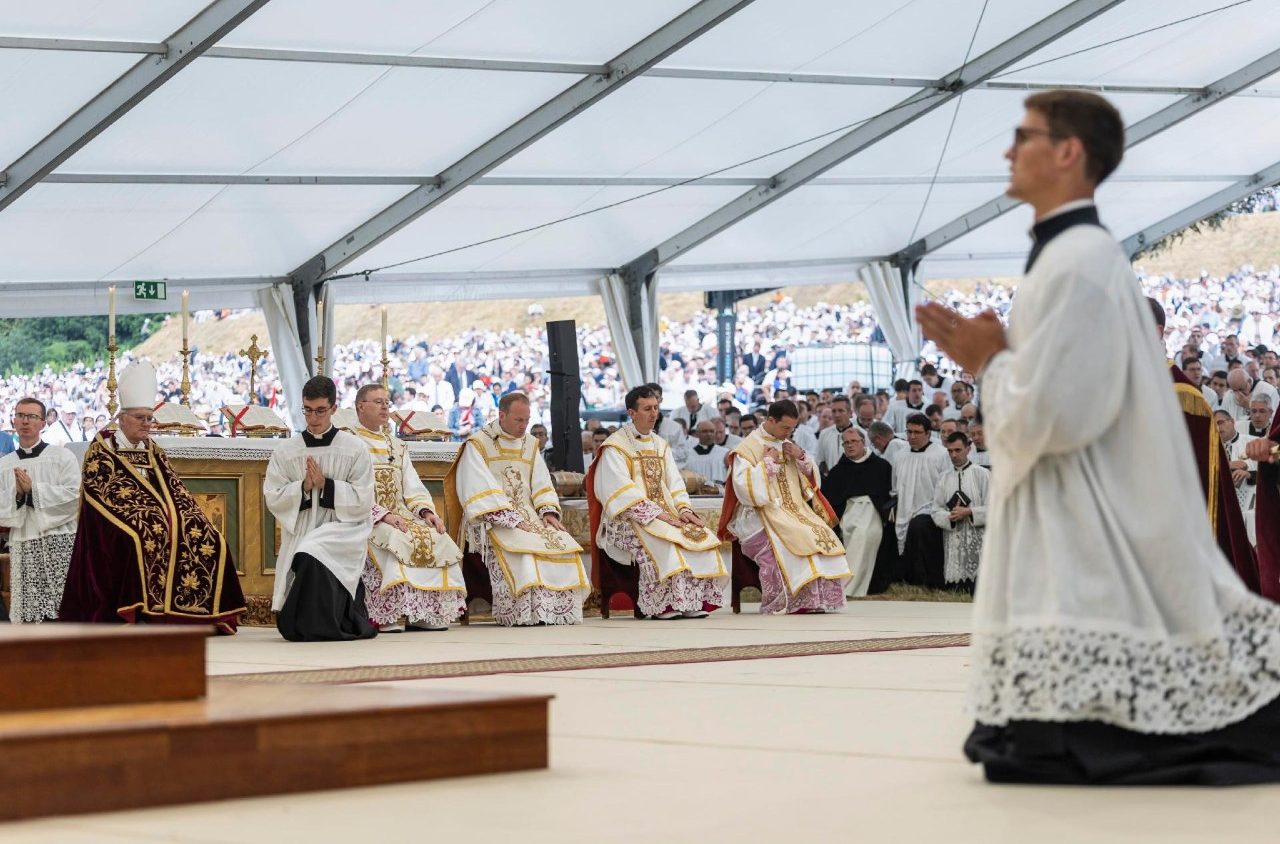
THE ROMAN Catholic Church has entered one of its most serious internal crises in decades after the Vatican formally declared a renewed schism with the Society of Saint Pius X (SSPX), excommunicating its bishops, clergy and warning that lay faithful who formally adhere to the traditionalist movement have also placed themselves outside full communion with the Church.
The dramatic development followed the SSPX’s decision on July 1 to consecrate four bishops in Écône, Switzerland, without the mandatory approval of Pope Leo XIV; a direct challenge to papal authority and a move the Holy See described as “an act of a schismatic nature.”
The Vatican’s decree, issued by the Dicastery for the Doctrine of the Faith and signed by Cardinal Víctor Manuel Fernández, declared that the two bishops who performed the consecrations and the four newly ordained bishops incurred automatic (latae sententiae) excommunication.

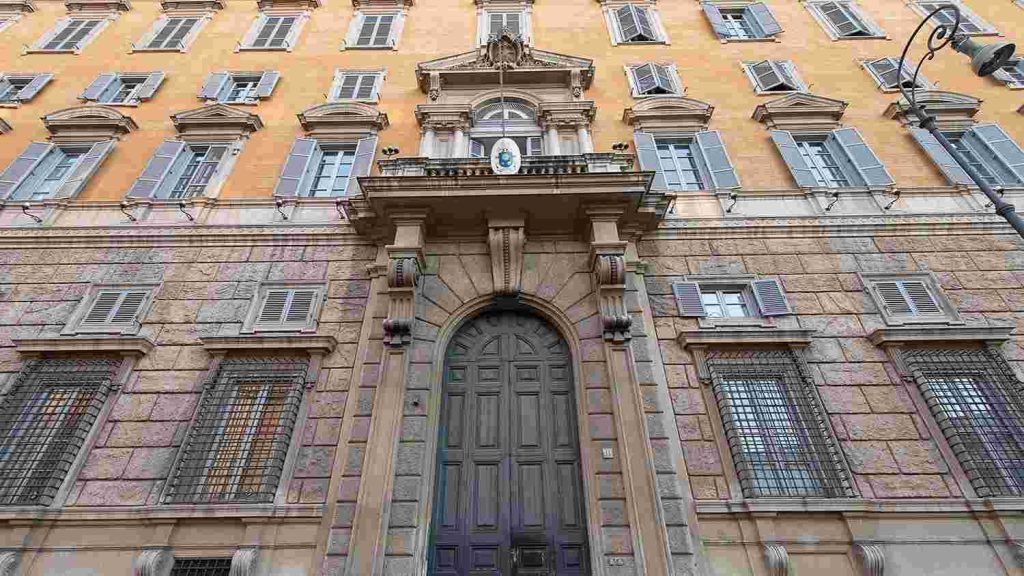
The Holy See further stated that SSPX priests are now to be regarded as schismatics and warned Catholics that confessions heard and marriages witnessed by SSPX clergy are invalid under canon law.
The sanctions represent the culmination of months of increasingly urgent warnings from the Vatican and bring to an end years of painstaking but ultimately unsuccessful efforts to reconcile the traditionalist fraternity with Rome.
Pope’s Final Plea Ignored
Just two days before the consecrations, Pope Leo XIV made an extraordinary personal appeal to the Society’s Superior General, Fr. Davide Pagliarani, urging the movement to abandon what he described as a course that would tear apart the unity of the Church.
Writing “with a father’s heart,” the Pope acknowledged the Society’s commitment to priestly formation, traditional liturgy and fidelity to Catholic tradition. Yet, he warned that proceeding with episcopal consecrations without papal authorisation would deprive many faithful of the lawful, and in some instances, valid reception of the sacraments.
“I implore you and ask you with all my heart: turn back from this course,” the Pope wrote, describing schism as the tearing of “the seamless garment of Christ” and insisting that the Church remained open to dialogue and reconciliation.
The appeal was addressed not only to the Society’s leadership but also to its bishops, priests, seminarians and faithful, underscoring the Vatican’s desire to prevent a permanent rupture.
Defiance at Écône
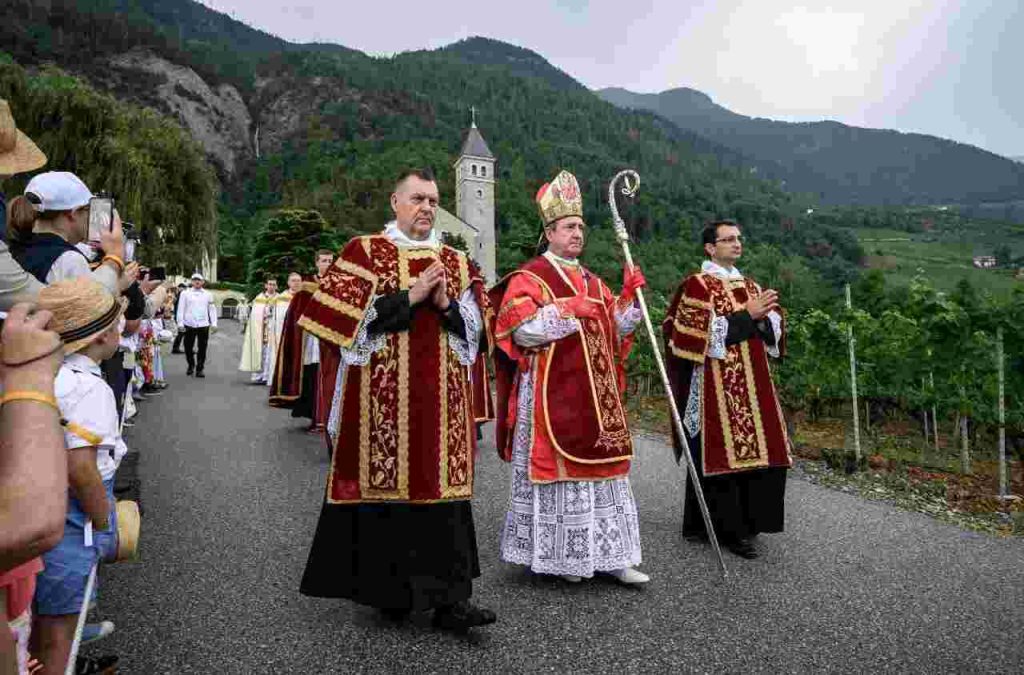
Despite the Pope’s intervention, more than 15,000 faithful gathered at the SSPX seminary in Écône on July 1 to witness the consecration of four new bishops.
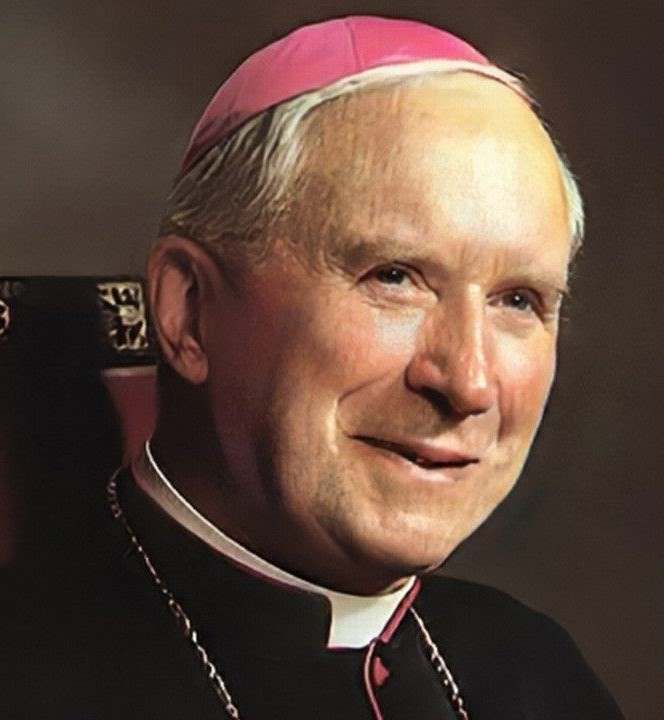
The ceremony was led by Bishops Alfonso de Galarreta and Bernard Fellay; the last surviving bishops consecrated by Archbishop Marcel Lefebvre during the original 1988 schism.
The four newly consecrated bishops – Pascal Schreiber, Michael Goldade, Michel Poinsinet de Sivry and Marc Hanappier – were presented as successors necessary to preserve the Society’s future leadership.
Addressing supporters before the ceremony, Fr. Pagliarani declared that the Society was prepared “to pay any price to save the Church,” dismissing any canonical penalties imposed by Rome as having “no value whatsoever.”
Those remarks appeared to confirm the Vatican’s fears that the SSPX had consciously chosen separation from the authority of the Roman Pontiff.
Echoes of 1988
The latest rupture deliberately recalls one of the most painful episodes in modern Catholic history.
In 1988, French Archbishop Marcel Lefebvre, founder of the SSPX, consecrated four bishops without the approval of Pope John Paul II. That action resulted in automatic excommunication and was described in the apostolic letter: “Ecclesia Dei” as a schismatic act because it rejected the primacy of the Pope.
Although Pope Benedict XVI lifted the personal excommunications of the surviving bishops in 2009 in the hope of fostering reconciliation, the SSPX never achieved full canonical recognition within the Church. Subsequent pontificates continued dialogue while making limited pastoral concessions, including allowing SSPX priests to validly hear confessions during Pope Francis’ papacy under specific conditions.
Those decades of patient engagement have now ended after the Society repeated the very act that originally divided it from Rome.
Vatican officials argue that the unauthorised consecrations demonstrate that previous efforts at reconciliation failed because the Society ultimately refused to submit to papal authority.
Why the Conflict Matters
At the heart of the dispute lies more than the appointment of bishops. The SSPX rejects several teachings and reforms that emerged from the Second Vatican Council (1962–1965), including aspects of religious liberty, ecumenism, interreligious dialogue and the liturgical reforms that introduced Mass in local languages.
The Society continues to celebrate the traditional Latin Mass and argues that it is preserving authentic Catholic tradition against what it considers harmful modern innovations.
The Vatican, however, insists that acceptance of the Second Vatican Council and communion with the Pope are indispensable elements of Catholic unity.
In explaining the latest sanctions, the Holy See stressed that unauthorised episcopal consecrations constitute not merely administrative disobedience but a rejection of the Pope’s governing authority over the Universal Church.
Wider Implications
The Vatican’s decree extends beyond the six bishops directly involved. It declares that SSPX clergy are in schism and warns that Catholics who formally adhere to the Society likewise place themselves outside communion with the Church. It also instructs Catholics not to participate in liturgies or activities promoted by the fraternity.
The Holy See nevertheless emphasized that the Church’s doors remain open. In its explanatory note accompanying the decree, the Vatican described itself as “a caring mother” ready to welcome back all who sincerely seek reconciliation.
Apostolic Nuncios around the world have been instructed to assist local bishops in facilitating the return of individuals wishing to restore full communion with Rome.
A Defining Moment for Pope Leo XIV
The confrontation marks one of the defining moments of Pope Leo XIV’s young pontificate. Rather than allowing prolonged ambiguity over the SSPX’s status, the Pope first exhausted avenues of dialogue before taking decisive canonical action when his appeals were ignored.
The Vatican’s response signals that while the Church remains open to reconciliation, it considers challenges to papal authority and ecclesial unity to be non-negotiable.
For many Catholics, the events of July 1, 2026 represent the reopening of a wound that had never fully healed since 1988.
Whether the latest schism hardens into a permanent separation or eventually gives way to renewed reconciliation will depend largely on whether the Society of Saint Pius X chooses, at some future date, to accept the authority of the Pope and return to full communion with the Roman Catholic Church.
