


AS RISING drug use continues to place many young Nigerians at risk of HIV infection, overdose and other life-threatening health complications, growing numbers of youths are being enrolled in harm reduction programmes by the Institute of Human Virology Nigeria (IHVN) to save lives, reduce drug-related harms and restore hope for vulnerable populations.
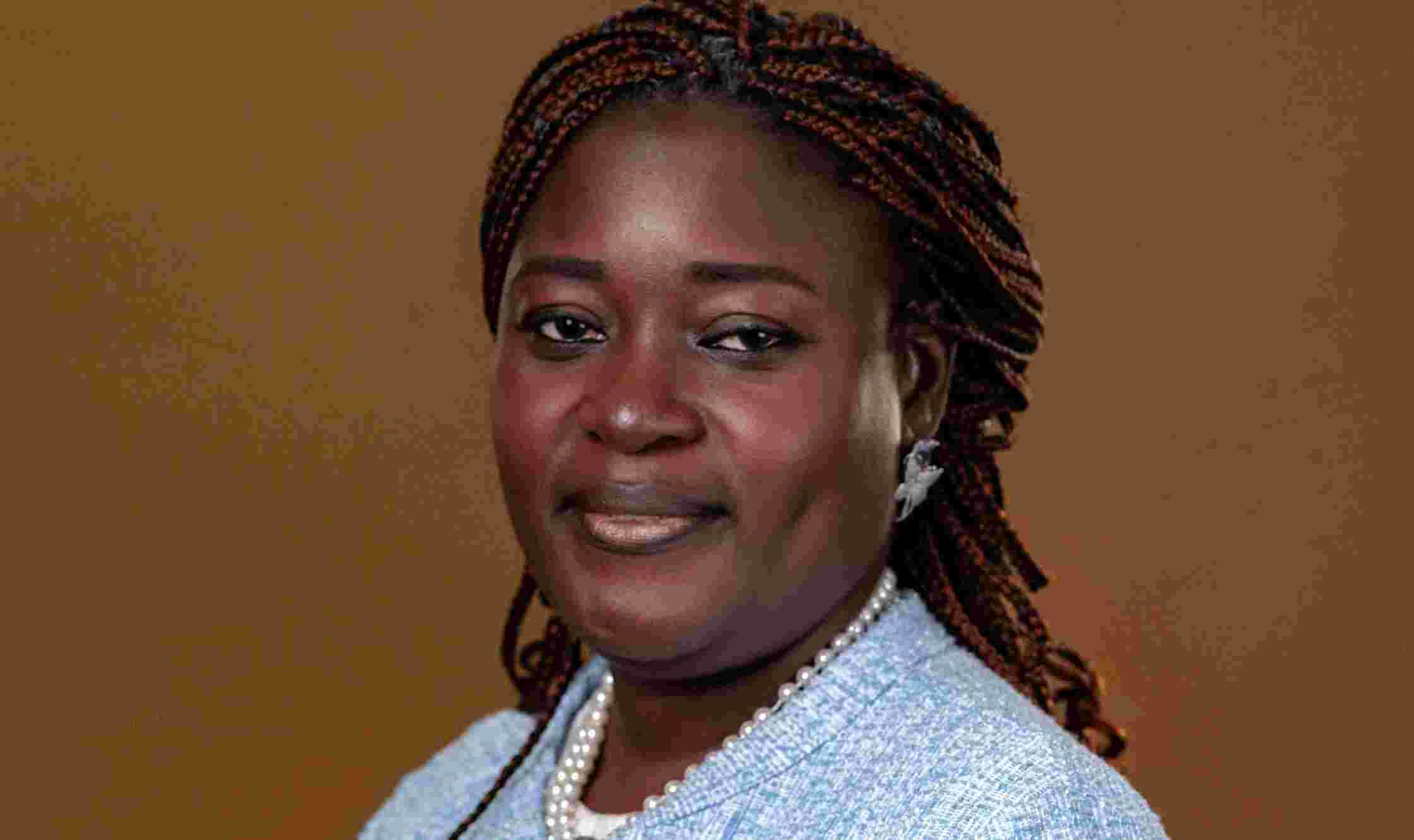
IHVN’s Lead for Prevention and Key Populations, Mrs. Comfort Ochigbo, told National Record, revealing that more than 300 clients have so far enrolled in the Institute’s Medication-Assisted Treatment (MAT) programme, which began as a pilot initiative in Gombe State.

According to her, the national harm reduction intervention is targeted at young people and populations vulnerable to HIV infection, hepatitis, overdose, mental health challenges, and other health complications, especially people who use drugs.
She said that harm reduction for young people who use drugs is important because it helps protect their health, safety, and future while reducing the wider social and public health consequences of drug use. Rather than judging or punishing young people, harm reduction focuses on reducing the dangers associated with drug use and supporting them toward healthier lives.
“Harm reduction services such as clean needle programmes, HIV testing, counselling and medication-assisted treatment help reduce these risks and prevent overdose deaths,” she said, noting that medicines like naloxone can reverse opioid overdose and save lives. She added that rising drug use among young Nigerians has highlighted the need for more comprehensive prevention approaches.
Citing findings from the 2018 World Drug Use Survey, Ochigbo said more than 14 million Nigerians use drugs, with young people accounting for a significant proportion of the population “This highlighted the need for more targeted interventions to reach a wider community of people who use drugs,” she said.
To address the challenge, she noted that IHVN integrated three additional interventions into its harm reduction programme. These include the Needle and Syringe Programme (NSP), Opioid Substitution Therapy — referred to in Nigeria as the Medication-Assisted Treatment (MAT) programme — and the use of naloxone to reverse opioid overdose.
Ochigbo said one of the programme’s major successes is the positive behavioural change among beneficiaries, many of whom now enrol voluntarily or through peer referrals. She noted that while some young people may not stop using drugs immediately, harm reduction helps them make safer choices, access treatment and support, rebuild relationships, and gradually return to productive lives.
