


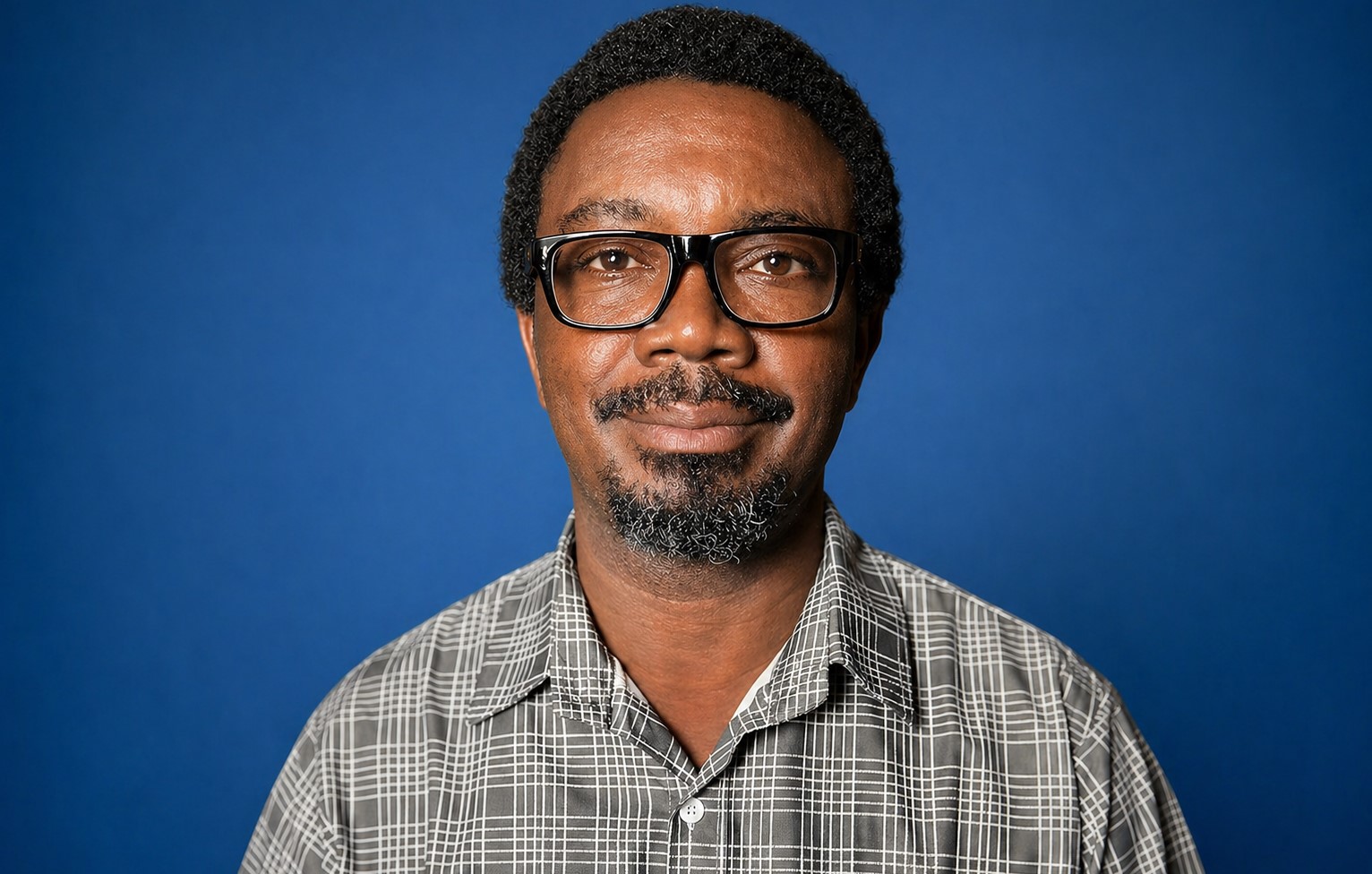
I AM SIXTY today, April 27th, 2026. The date alone is testimony. To be born April 27th, 1966, in Nigeria, was to arrive just before fire swept over the land.
By the time the guns fell silent in January 1970, I was only three years and six months old — a toddler in the shadows of a civil war. Yet I still remember certain things.
I still remember hunger. I still remember hardship. I remember the kind of want that teaches a child to be quiet even when the stomach roars. And like many children of that era, I still ask: How did I grow up without ulcer? Or did the ulcer simply give up and leave as I grew? That question isn’t just medical. It’s spiritual. Because some wounds don’t scar the body — they temper the soul.
I was actually forged in the crucible. While other children in other regions learned with toys, I learned with absence. While others had certainty, I had survival. The Nigeria that raised me did not pamper me. It tested me. And somehow, I passed.
I am no longer becoming. I am. I am the archive of a nation’s pain and the evidence of its stubborn hope. I have chosen to stand with the masses. I write, I speak, and I fight for them. As Comrade Adams Oshiomhole once said; “It has not been proven that cowards live longer than brave men.” Our nation needs clear-headed, courageous fighters.
In the 1970s, I saw the earth turn green for the first time. Hope was everywhere. We didn’t have much money, and life was simple, but it was interesting.
ALSO READ: Amechi@60: Defender Of The Voiceless, Bridge-Builder, Dependable Ally Of The Oppressed; By Olawuwo Abiodun
Nigerians Have No Friends In Tel Aviv; By Owei Lakemfa
Every village I knew in the Mid-Western Region — later Bendel State, now Delta State — had a primary school. It was hard to find a child out of school. When we fell sick, the dispensary was always there; it was our first port of call, our primary health centre.
Going to school was encouraging because secondary school leavers got jobs the moment they left school. Transport was cheap, even though most roads weren’t tarred. Little children could walk 3km after school to meet their parents on the farm, and no harm would come to them.
Every child belonged to the community, and societal values, norms, and ethos were highly prized.
Towards the end of the 1970s, I watched the land turn yellow, then dry and brittle. By 1983, looking through the prism of Achebe’s introspection in The Trouble With Nigeria, only the anthill could tell the story of a forest laid waste by the wildfires of corruption. The green has never returned.
I survived what were meant to break me and my generation – War, hunger, and a broken economy. They were my first teachers. They taught me resilience before textbooks taught me grammar.
I learned early that to carry memory is to carry responsibility. The past helps shape the present. I don’t just recall hardship – I let it shape how I see others. The man who remembers hunger rarely wastes food. The man who remembers lack rarely ignores the poor. Ifeoma Okoye, in her novel; Behind the Clouds, wrote that hardship produces character.
I am a proof. Proof that a child born into chaos can become an elder with clarity. Proof that Nigeria’s hardest seasons still produce men of substance.
I am no longer becoming. I am. I am the archive of a nation’s pain and the evidence of its stubborn hope. I have chosen to stand with the masses. I write, I speak, and I fight for them. As Comrade Adams Oshiomhole once said; “It has not been proven that cowards live longer than brave men.” Our nation needs clear-headed, courageous fighters.
My sincere appreciation goes to everyone who has made great contributions to my life over the past 60 years. To my parents, to the Nwulu, Olunwa and Mordi families — God bless them all.
I say happy Sixty Hearty Cheers to me. A man from the crucible.
HAPPY 60TH BIRTHDAY TO ME!
