


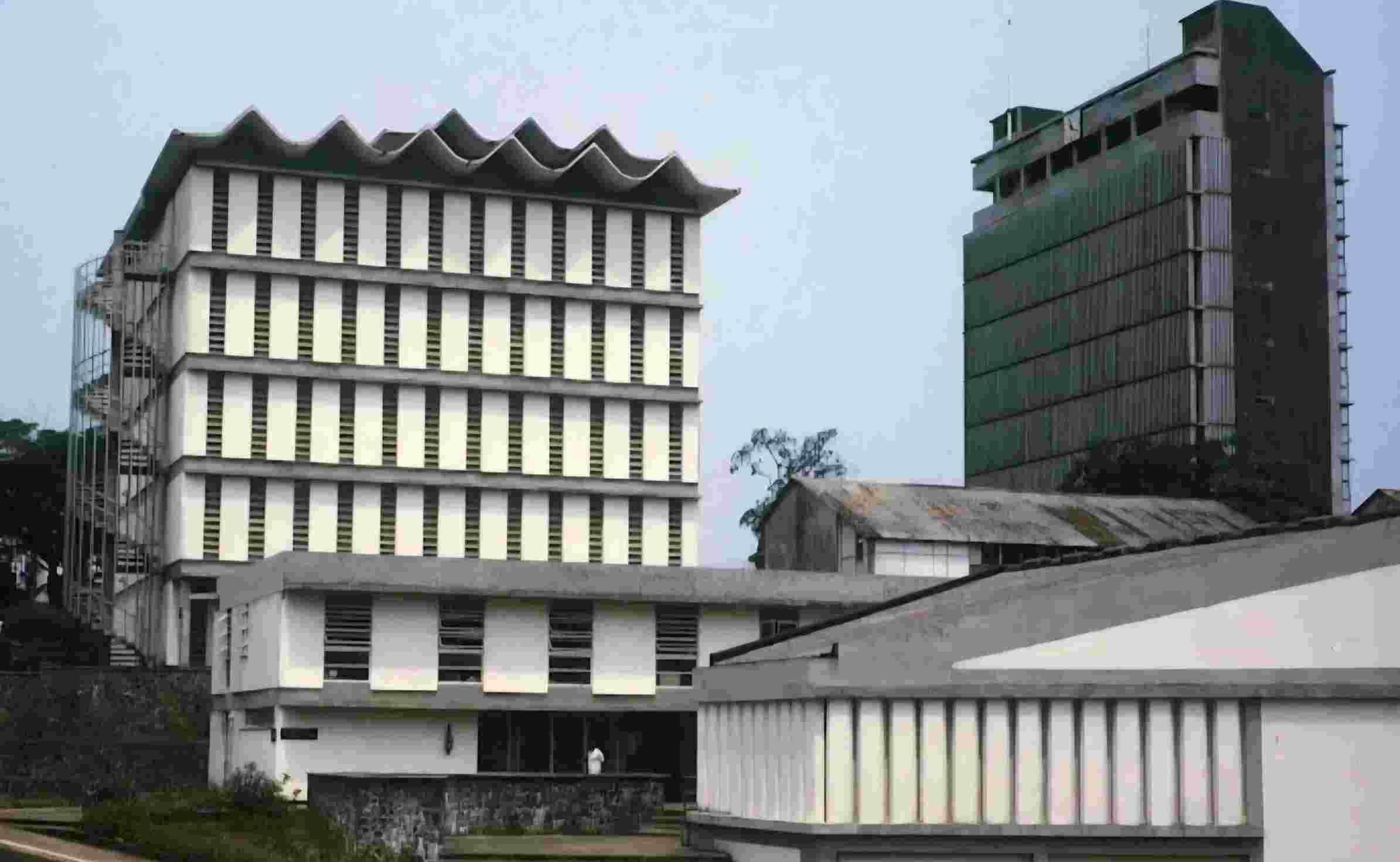
FOURAH Bay College, Sierra Leone, founded on February 18, 1827, as the first Western-style institution of higher learning in Africa, will commemorate its 200th anniversary with an international conference from 8th to 10th April 2027 in Freetown.
The gathering, however, aims to move beyond just celebration, instead convening scholars to confront the decline of higher education in Sierra Leone and across the continent, while charting a path toward renewal.
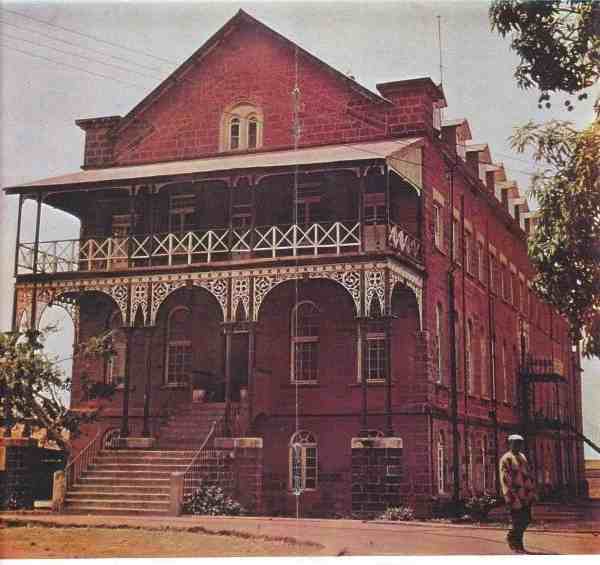
Hosted at the Bintumani Hotel in the Aberdeen District of Freetown, the conference will bring together academics from Sierra Leone and the diaspora to examine the complex legacies of the college, which once trained leaders from across West Africa and stood as a beacon of academic excellence.

Organised under six broad thematic props, which include: “Histories and legacies of Fourah Bay College and universities in Africa”; “Universities, knowledge, and power”; “Disciplines in crisis and possibilities of renewal”; “Digital futures and emerging fields”; “Pedagogy, mentorship, and generations”; and, “Reparations, colonial modernity, and historical injustices”; the event is designed to critically address the current state and future of universities in Africa – from colonial modernity and historical injustices to digital futures, pedagogy, mentorship, and reparations.
Professor Ibrahim Abdullah of Fourah Bay College, who chairs the bicentenary conference committee, will lead the proceedings.
Abdullah, a historian specialising in labour and social history of West Africa, earned degrees from Ahmadu Bello University, the University of Ibadan, and the University of Toronto.
Joining him as featured speakers are Dr. Notisha Massaquoi, Assistant Professor in Health Education and Promotion at the University of Toronto Scarborough, and Professor Ismail Rashid, Chair of History at Vassar College in New York, whose research spans African history, diaspora studies, and conflict and security.
The conference is structured as an in-person event only, with an abstract deadline of 31 July 2026 and notifications of acceptance to be issued by 31 August 2026.
Organisers have called for generative, serious conversation on the role of universities in knowledge production, crises within academic disciplines, and the possibilities of renewal — asking what higher education must become to serve Africa’s future.
