


THE NIGERIA Labour Congress (NLC) has issued an urgent call for Federal Government intervention as petrol prices soar to between N1,170 and N1,300 per litre across the country, warning that the nation risks descending into severe social unrest if immediate relief measures are not implemented.
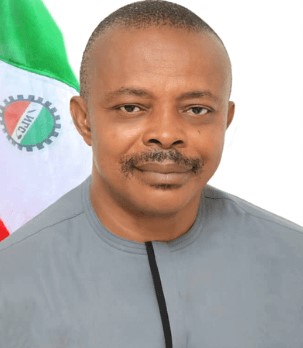
In a strongly worded statement on Sunday, NLC President, Comrade Joe Ajaero, frames the fuel price hike as part of a broader global crisis, triggered by the escalating military conflict involving the United States, Israel, and Iran, but blames prevailing suffering by Nigerians squarely on decades of domestic policy failures.
“While imperialist rivalries play out abroad with bombs and military escalation, Nigeria’s working class is being bombarded with poverty and hunger because we have failed to ensure that our public refineries are operational,” Ajaero states.
The NLC described the rising cost of petrol as a “direct assault on the Nigerian people,” noting that transportation has become increasingly unaffordable for workers, while food prices and essential commodities continue to surge beyond the reach of ordinary citizens.
The NLC warned that when workers cannot afford transport to their workplaces, the economy stalls, and when families cannot afford three meals a day, “society sits on a keg of gunpowder.”
Ajaero specifically addressed the limitations of relying on private sector solutions, pointing out that the much-vaunted Dangote Refinery has adjusted its prices in line with global volatility.
“This undermines the narrative that domestic production alone guarantees price stability,” he said, arguing that as long as Nigeria remains dependent on a market-driven pricing structure tied to global fluctuations and refuses to revive its public refining capacity, the country will remain hostage to international conflicts and market speculation.
The NLC demanded a clear timeline for the full operationalisation of the Port Harcourt, Warri, and Kaduna refineries, insisting that the billions of naira already spent on turnaround maintenance must be accounted for.
“No nation achieves economic independence by exporting jobs and importing prices,” Ajaero added.
Beyond refining infrastructure, the labour body presented a comprehensive set of demands aimed at providing immediate relief to workers and vulnerable citizens.
These demands include an immediate wage award and cost-of-living allowance (COLA) for all workers, an overhaul of the cash transfer programme with adjustments to reflect inflation, and tax relief for low-income earners, particularly those on the minimum wage, asserting that “Taxing minimum-wage earners amounts to extortion”.
The Congress, as NLC is popularly called by its affiliates, also drew attention to the potential upside of the global crisis, noting projections by the Nigeria Economic Summit Group (NESG) that Nigeria may gain an estimated 30 trillion naira oil windfall from the ongoing Middle East conflict.
Ajaero warned that these resources must not “disappear like previous windfalls” and demanded transparency in the management of expected oil revenue gains, insisting that any windfall from rising crude prices must be channelled toward improving the welfare of Nigerians.
The NLC accused the government of leaving citizens at the mercy of volatile global oil prices and called for sincere social dialogue between the state and organised labour to address the growing economic challenges.
“Using the Middle East crisis as a justification for policies that deepen poverty is unacceptable,” Ajaero said, adding: “The primary duty of the government is to ensure the welfare and security of its citizens. We demand action. We demand justice. We demand survival.”
The dual impact of the Middle East crisis on Nigeria’s economy has created a paradox: while higher global crude prices could earn the country billions in additional revenue, the reliance on imported refined petroleum products, and the international pricing mode by Dangote Refinery, mean that Nigerian consumers bear the immediate brunt of international price volatility, with inflation and transportation costs spiralling ever upward.
