


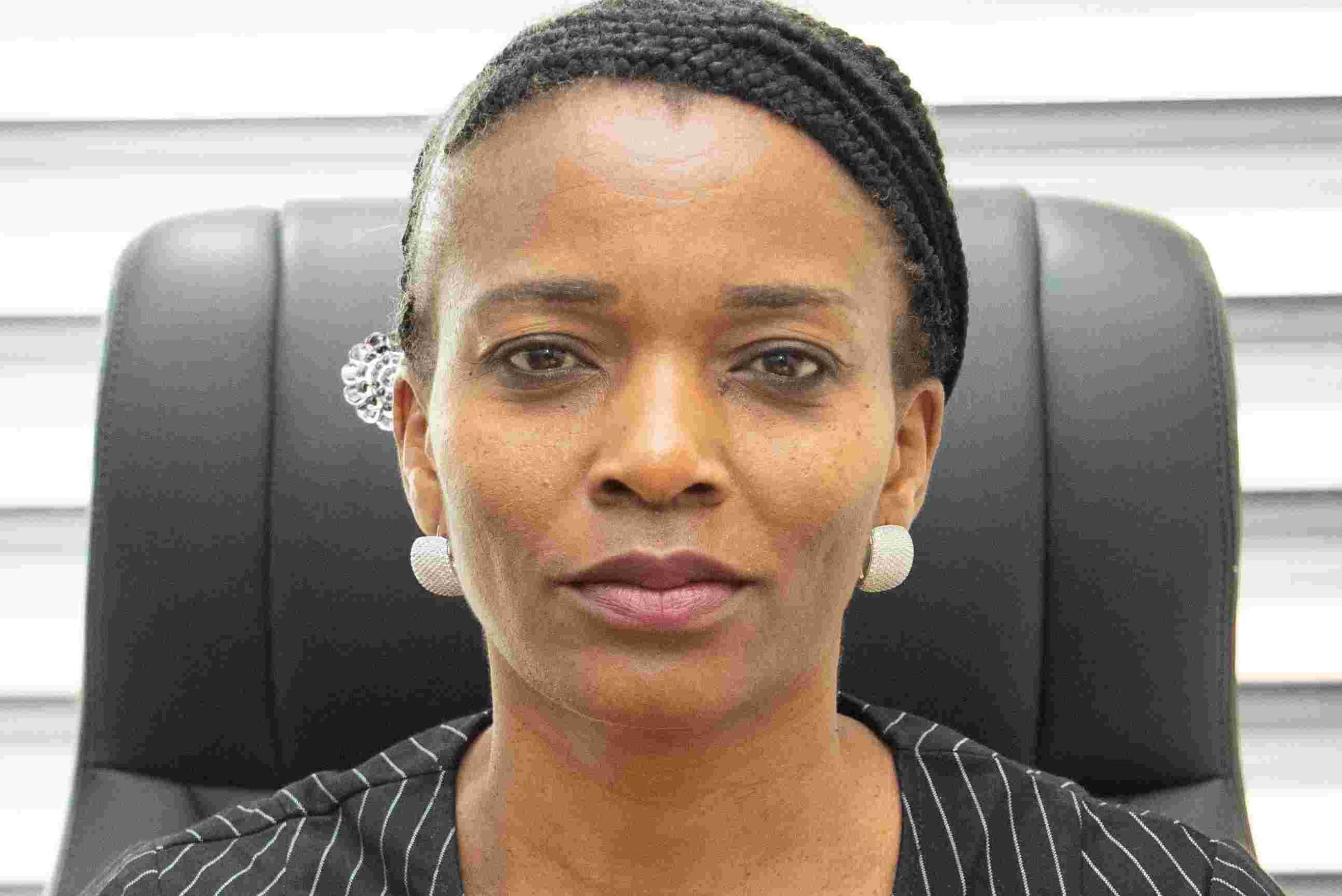
THE DIRECTOR of Prevention, Care and Treatment at the Institute of Human Virology Nigeria, Dr. Helen Omuh, reveals that though Nigeria has achieved a significant reduction in its national HIV prevalence rate, the epidemic remains severe among specific high-risk groups, presenting a critical challenge to sustaining progress..
Dr Omuh disclosed that the national prevalence has dropped sharply from a peak of 5.8 percent to approximately 1.3 percent, a feat she attributed to years of prevention and treatment efforts. She, however, stated that this aggregate success masks a more complex reality.
“While the national numbers are improving, the real challenge now is reaching populations where the virus is still spreading more actively,” Dr. Omuh told National Record.

According to Dr. Omuh, HIV prevalence among key populations– including female sex workers, men who have sex with men, people who inject drugs, and transgender individuals– remains far above the national average.
According to her, among female sex workers, the prevalence is estimated at about 22 percent, more than 15 times the national rate. Adolescent girls and young women are also identified as a group with a significantly higher risk of infection compared to their male counterparts.
The disparity highlights where the next phase of the country’s HIV response must be focused. Dr. Omuh noted that the primary challenge is not solely providing treatment but finding and engaging individuals most at risk, many of whom are difficult to reach due to stigma, discrimination, and legal concerns.
To close this gap, Nigeria’s HIV response is adopting targeted, data-driven strategies. These include “hotspot mapping,” which uses digital tools and artificial intelligence to identify geographic areas with a high concentration of infections, allowing for the efficient deployment of testing and prevention services.
Another approach is “index testing” or family index testing. When a person tests positive, health workers trace their sexual partners, children, and other close contacts who may also be at risk. This method aims for early diagnosis and treatment, leading to viral suppression and reducing further transmission.
“Nigeria’s path to ending HIV will depend not only on national gains but on reaching the communities still carrying the heaviest burden,” Dr. Omuh said. “Until those hidden frontlines are addressed, the country’s progress may remain incomplete.”
