



By Our Reporter, With Agency Reports
THE ESCALATING military conflict between the U.S.-Israeli alliance and Iran has spiralled into a full-blown regional crisis, with the United Nations reporting horrific civilian casualties, mass displacement, and a growing humanitarian emergency.
Simultaneously, the war has widened to include a mysterious submarine attack on an Iranian vessel off the coast of Sri Lanka, underscoring the rapidly expanding geographic scope of the hostilities.
The UN human rights office (OHCHR) delivered a stark condemnation of the violence on Wednesday, highlighting an attack over the weekend that killed and injured dozens of schoolgirls in the southern Iranian city of Minab.
Ravina Shamdasani, the OHCHR spokesperson, described the scene as “absolutely horrific,” with children killed at the start of their school day and backpacks left stained with blood.
“If there is any image that captures the essence of the destruction, despair and senselessness and cruelty of this conflict, those are the images,” Shamdasani said.
Volker Türk, the UN High Commissioner for Human Rights, stated he was “deeply shocked” by the impact on civilians and has called for a “prompt, impartial and thorough investigation” into the Minab strike.
Shamdasani stressed that the onus is on the attacking forces to investigate and that any attack found to have deliberately or indiscriminately targeted civilians could constitute a war crime.
The conflict, which erupted on Saturday with large-scale U.S. and Israeli airstrikes on Iran, has already impacted at least 12 countries. According to a U.S. Central Command (CENTOM) operational update, American forces have struck nearly 2,000 targets in Iran using more than 2,000 munitions.
Admiral Brad Cooper claimed the operation has “severely degraded Iran’s air defences” and destroyed hundreds of missiles, drones, launchers, and 17 Iranian warships, including its “most operational” submarine.
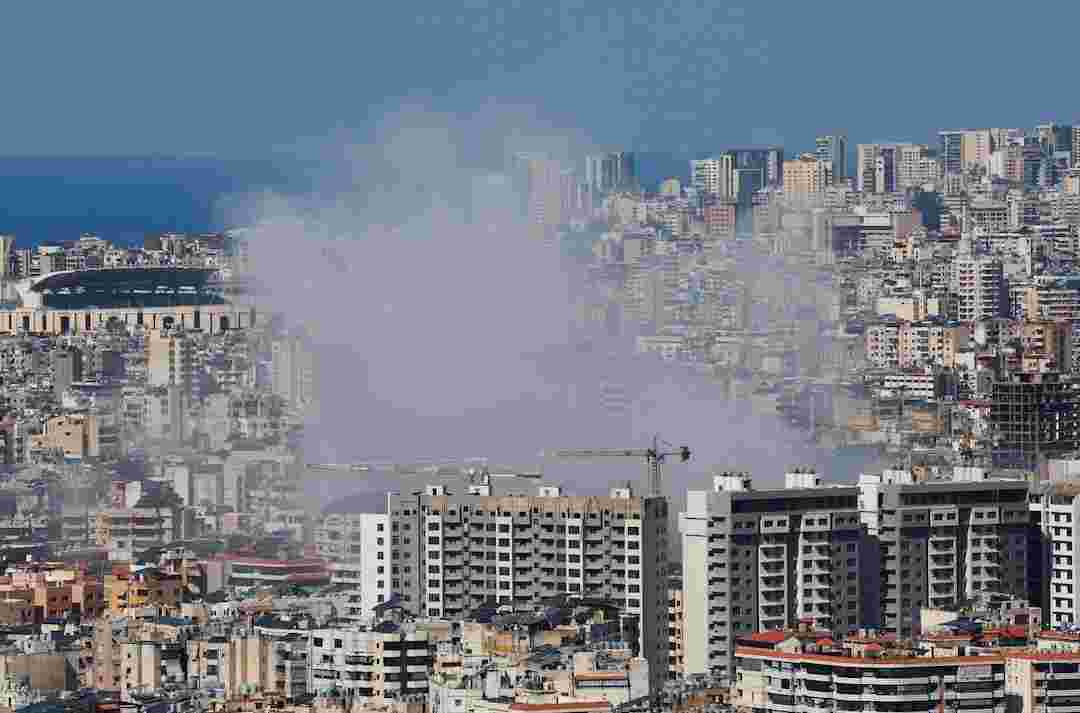
The widening war has also drawn in Lebanon, where the militant group Hezbollah has engaged, prompting heavy Israeli retaliatory strikes. The UN refugee agency (UNHCR) reported that nearly 30,000 people have been registered in collective shelters after being displaced from southern Lebanon, the Bekaa Valley, and Beirut’s southern suburbs.
Spokesperson Babar Baloch noted that many more were sleeping in their cars or trapped in traffic while fleeing the south, following Israeli evacuation warnings for over 53 villages.
Conflict Reaches International Waters
In a dramatic expansion of the conflict, a submarine attack on an Iranian ship off the coast of Sri Lanka on Wednesday has left over 100 people missing. While accounts of the exact number vary, sources in Sri Lanka’s navy and defence ministry confirmed to Reuters that the vessel has sunk.
One person is confirmed dead and at least 78 others were injured, many of whom were rescued by the Sri Lankan navy and hospitalised.
The identity of the attacker remains unclear, though the incident comes just days after a U.S. military official claimed to have destroyed an Iranian submarine.
Global Economic Shockwaves
The conflict is sending shockwaves through the global economy. South African President Cyril Ramaphosa warned on Wednesday that the escalating situation is already straining supply chains across Africa and driving up energy prices.
Speaking at an energy conference in Cape Town, he noted that the volatility mirrors the disruptions seen during the COVID-19 pandemic and the war in Ukraine, exposing the vulnerabilities of import-dependent economies.
In response to the crisis in the Strait of Hormuz; a vital chokepoint for global energy supplies, U.S. President Donald Trump has promised to secure shipping traffic.
In a post on his Truth Social platform, Trump stated that the U.S. Navy would begin escorting tankers through the strait “as soon as possible” to ensure the “FREE FLOW of ENERGY to the WORLD.” He also directed a U.S. development agency to offer risk insurance for maritime trade in the region.
The strait has become a key flashpoint, with the U.S. military claiming it has neutralised the Iranian navy’s ability to operate there.
The World Food Programme (WFP) has also raised alarms about severe disruptions to humanitarian supply routes due to the contested seas and closing airspace. Samer Abdel Jaber, WFP’s Regional Director for the Middle East, highlighted complications in the Strait of Hormuz and the Red Sea, stating the agency is now looking to establish overland corridors through countries like Turkey, Egypt, Jordan, and Pakistan to deliver aid.
Leadership Vacuum in Iran
The crisis has been compounded by a significant leadership change in Tehran, with the killing of Iranian Supreme Leader Ayatollah Ali Khamenei in an Israeli airstrike in Tehran on Saturday.
Khamenei is set to be buried behind the shrine of Imam Reza in his hometown of Mashhad, Iran’s second-largest city and its most important Shiite holy site.
A public ceremony is planned in Tehran before the burial, though details are yet to be announced.
Amid the chaos, the UN has also expressed concern for the welfare of Iranian citizens, noting the government’s history of cracking down on dissent.
Shamdasani called on authorities to safeguard fundamental freedoms and deplored the nationwide internet shutdown, which she said is limiting access to essential information for the Iranian people.
