


THE UNITED Nations and its global network of humanitarian partners has issued an urgent appeal for $33 billion to stave off catastrophe for millions of people trapped in the world’s most severe crises, driven by conflict, climate disasters, and economic collapse.
The Global Humanitarian Overview 2026, launched on Monday by the UN Office for the Coordination of Humanitarian Affairs (OCHA), outlines a two-tiered strategy. The immediate priority for the coming year is to mobilise $23 billion to deliver lifesaving aid to 87 million of the most vulnerable people globally.
The broader ambition for 2026 is to secure the full $33 billion to support 135 million individuals across 50 countries through 23 distinct country operations and six regional plans for refugees and migrants.

UN Humanitarian Chief Tom Fletcher framed the appeal as a critical test of global solidarity. “This appeal sets out where we need to focus our collective energy first: life by life,” Fletcher stated, adding: “The Global Humanitarian Overview 2026 is grounded in reform, evidence and efficiency. We’re shifting power to local organizations, putting more money directly into the hands of the people who need it, and behind it all, we are renewing and reimagining humanitarian action with idealism, humility and hope.”
The 2026 plan follows a year of profound setbacks, as humanitarian systems were pushed to the brink. In 2025, global funding plummeted to just $12 billion – the lowest level in a decade – forcing aid groups to assist 25 million fewer people than in the previous year.
The consequences, detailed in the report, were severe and immediate: a dramatic surge in acute hunger, the collapse of overstretched health systems, widespread interruptions to education, the stalling of vital mine clearance operations, and the elimination of essential services like shelter, cash assistance, and protection for families.
Compounding the funding crisis, civilians and aid workers faced unprecedented dangers. The report notes a “utter disregard for the laws of war” in multiple conflict zones, and records that over 320 humanitarian workers were killed in 2025, the vast majority of whom were local staff.
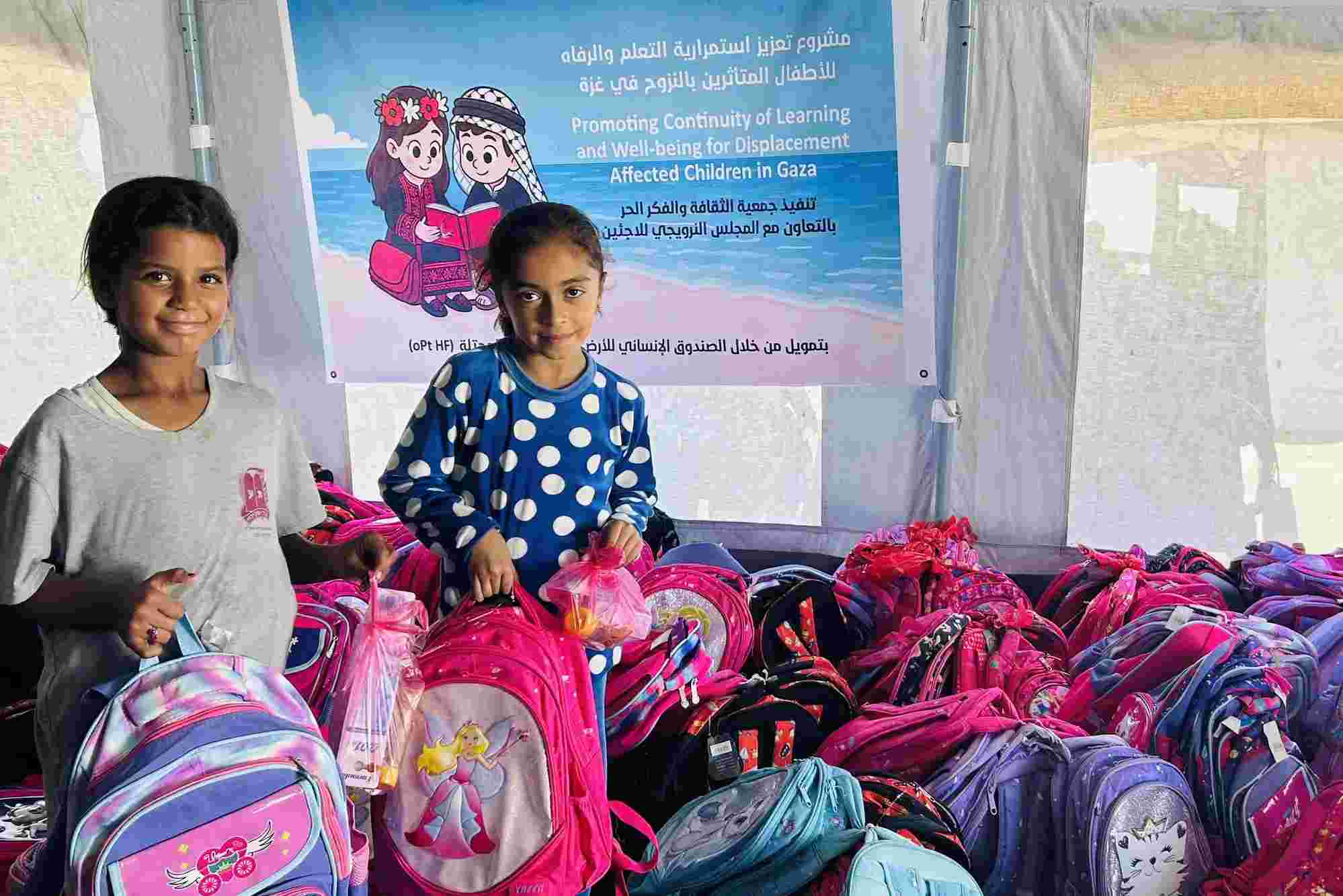
The appeal highlights several of the world’s most devastating emergencies. The single largest country response plan is for the Occupied Palestinian Territory, requiring $4.1 billion to reach 3 million people. For Sudan, which is grappling with the world’s largest displacement crisis, $2.9 billion is needed to support 20 million people. The largest regional plan targets the Syria crisis, seeking $2.8 billion for 8.6 million individuals.
In response to past challenges, OCHA emphasised a reformed operational model for 2026. The strategy focuses on eliminating duplication, concentrating resources in the areas of greatest need, and empowering local economies by procuring aid supplies locally wherever possible. “We are making sure every dollar works for the people they serve,” the report states.
The UN will now present the detailed appeal to member states, seeking concrete financial commitments and political action. Governments will be specifically urged to leverage their influence to enhance the protection of civilians and humanitarian personnel in conflict zones, including by holding perpetrators and their supporters to account.
The ultimate outcome, Humanitarian Chief Fletcher warned, will be a clear measure of international resolve. “I will then share the amounts committed and answer a simple question: did governments show up?” Fletcher said. “The answer will define who lives and who falls through the cracks.”
The launch of the Global Humanitarian Overview 2026 stands as a definitive benchmark, placing the responsibility for the fate of millions directly before the international community.
