


By Amos Aar
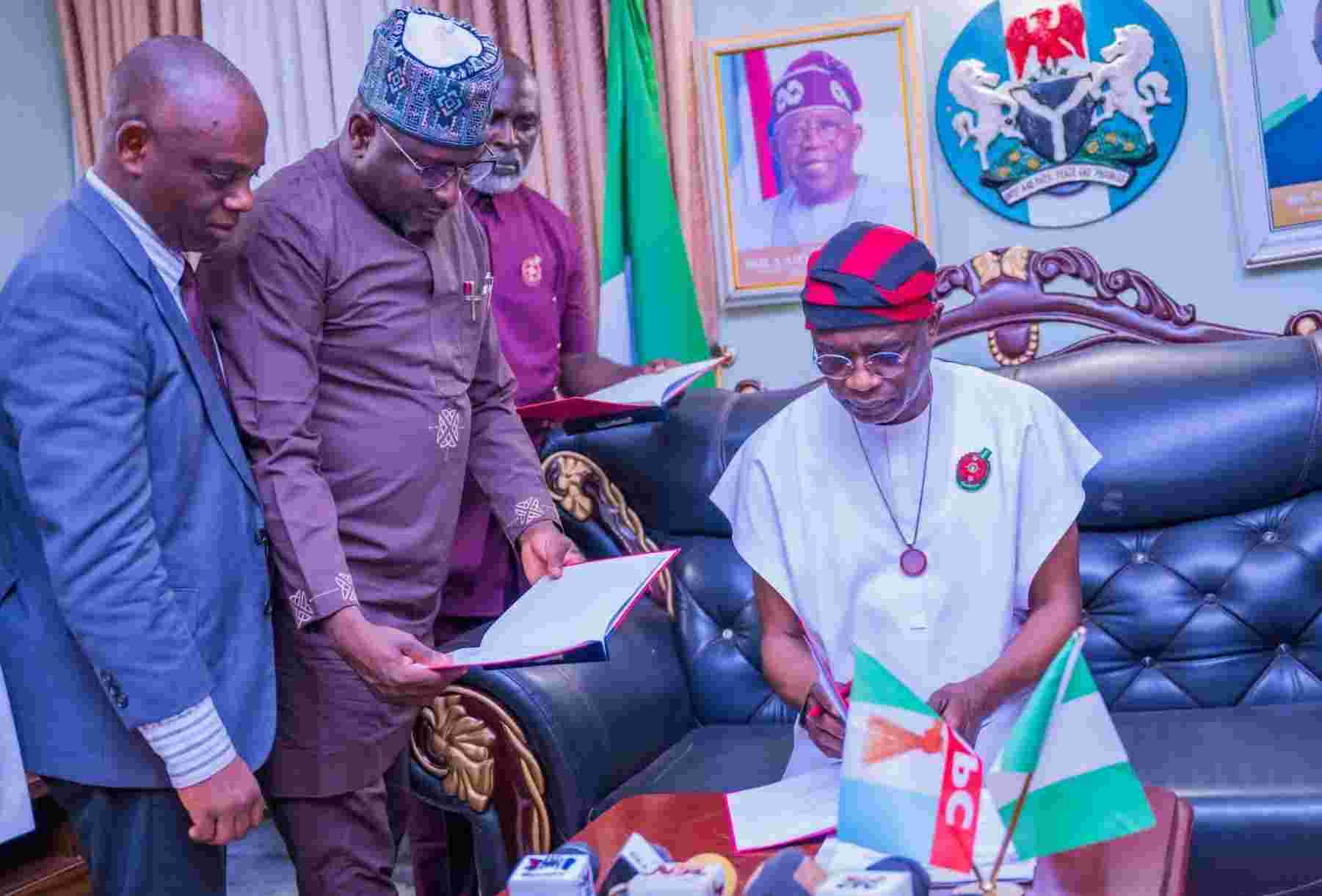
GOVERNOR Hyacinth Alia of Benue State on Wednesday gave his assent to the 2026 Appropriation Bill, marking the formal enactment of the state’s fiscal plan for the year.
The Chief Press Secretary to the Governor, Tersoo Kula, quoted Alia as describing the budget as a “people-focused spending plan” designed to accelerate rural development, support livelihoods, and promote sustainable economic growth across the state.

According to Kula, the 2026 budget, initially presented by the executive at N605.51 billion, was reviewed by the Benue State House of Assembly and increased to N695.01 billion. The N89.5 billion upward adjustment now forms the legal appropriation framework guiding the state’s fiscal operations for the 2026 fiscal year.
Speaking shortly after assenting to the bill, now christened the Budget of Rural Development, Livelihood Support and Sustained Growth, Governor Alia said the document was crafted to address the long-standing neglect of rural communities, which he described as the backbone of Benue’s agricultural economy.
“This budget is rooted in the realities of our present and is guided by the aspirations that bind us to a greater tomorrow. At the heart of Benue lies a strong rural foundation that feeds the nation, preserves our culture, and anchors our path to inclusive growth.
“For decades, these rural communities carried the weight of neglect. With this budget, we make a bold declaration: the era of rural neglect is over,” the governor said.
He further pledged that the administration would prioritise the construction of feeder roads and bridges, water supply, rural electrification, climate-smart infrastructure, farming value chains, and agro-industrial development, noting that such interventions would unlock wealth, improve dignity, and create jobs for citizens.
Beyond government action, the governor called for collective responsibility, urging the private sector, civil society organisations, traditional institutions, development partners, and the media to see the budget as an invitation for collaboration in delivering development at the grassroots.
Speaker of the Benue State House of Assembly, Hon. Alfred Berger, said lawmakers exercised due diligence in scrutinising the proposal, adjusting the figures in line with prevailing economic realities and the policy direction of the Alia administration, in compliance with constitutional requirements.
However, shortly after the assent, excerpts of the budget highlights and official statements shared online by government aides, including Tersoo Kula, stirred mixed reactions from the public on the social media.
Some commentators expressed optimism over the rural development focus of the budget. Doosur Dorcas Tarpirja wrote, “This budget clearly shows a vision for inclusive growth, better infrastructure, and improved livelihoods across Benue State. We are solidly behind you as you work to transform our rural communities. Happy our governor. More grace for greater achievements.”
In the same vein, Amos Kyum stated, “The construction and electrification of rural areas is the part I commend the Governor so much,” while Peter Tongov observed, “Step by step. First urban now moving to remote areas.”
Despite the commendations, other analysts raised concerns bordering on process and implementation. Tsetim Tavershima Robert commented, “No budget defence by ministries, agencies,” questioning the level of scrutiny applied before assent.
Scepticism was also evident among critics who doubted the feasibility of the promises. Angur Gumor James wrote, “
“Nothing is new sir. He’s left with just a year and few days to end all these drama.”
Similarly, Abduul O Friday expressed strong reservations, saying, “This is a joke. No due diligence done by the legislature. When this man’s tenure is ended we’ll hear of damning corruption that is aided/abated by this ‘rubber stamp’ assembly through their inactions and ineptitude.”
As official channels continue to highlight the priorities and projected benefits of the 2026 budget, public discourse shows a mix of hope, caution, and scepticism, particularly among grassroots stakeholders demanding accountability and visible results.
Meanwhile, fiscal transparency advocates have stressed that public confidence will depend on openness in budget execution and tangible improvements in rural roads, healthcare delivery, education, and agricultural productivity while analysts maintain that beyond its size, the real test of the 2026 budget will lie in the efficiency, transparency, and equity with which resources are deployed across communities in Benue State.
