


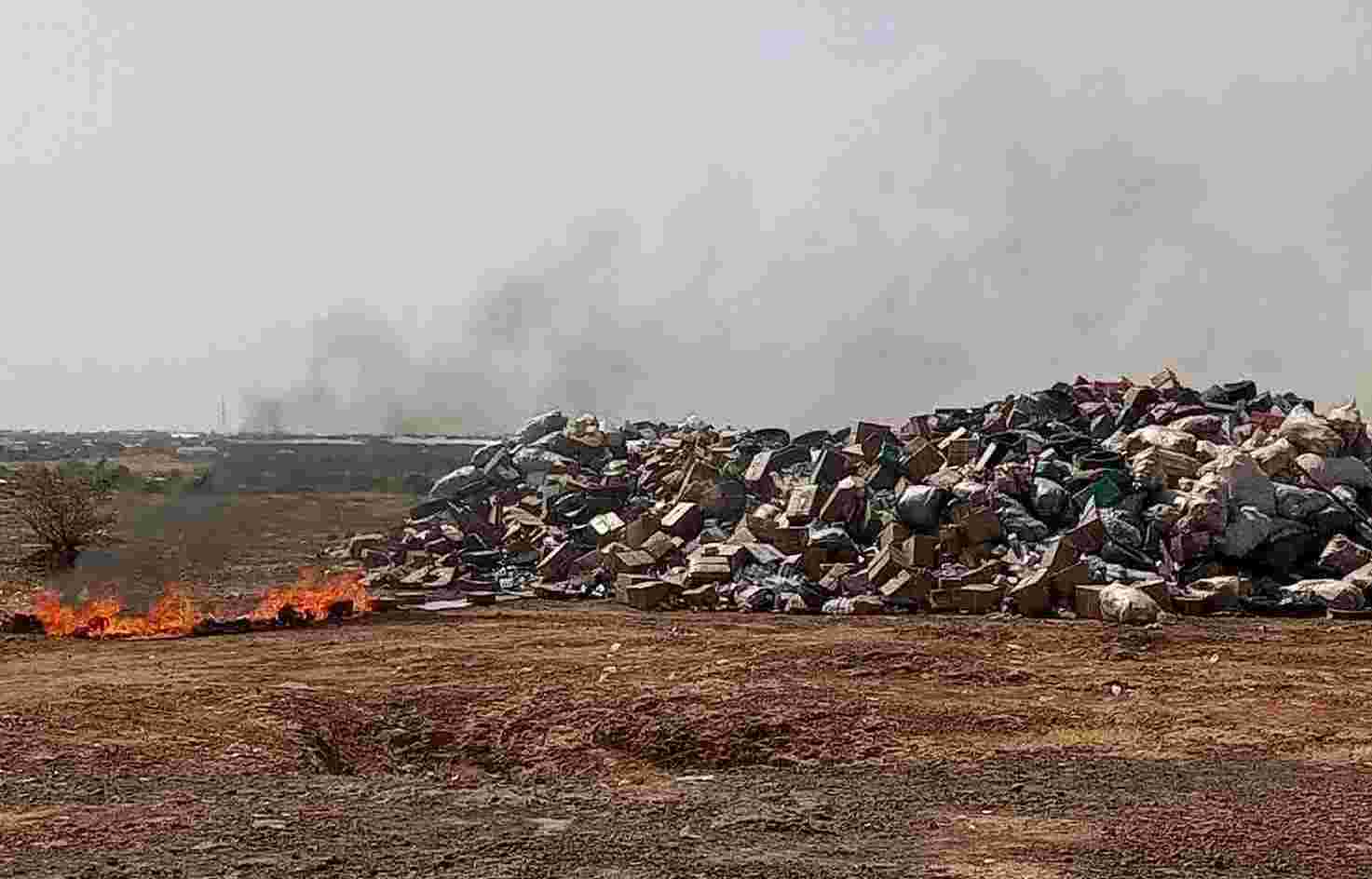
THE NATIONAL Agency for Food and Drug Administration and Control (NAFDAC) has conducted a massive, coordinated destruction exercise, eliminating unwholesome products worth over N65.6 billion in Ibadan and Kano.
In a significant operation on Thursday, NAFDAC demonstrated its resolve to safeguard public health by destroying a combined 618 tonnes of fake, counterfeit, substandard, expired, and banned regulated products.
In Ibadan, the agency began the destruction of items with an estimated street value of N55.4 billion at the Moniya dumpsite.

Prof. Christiana Adeyeye, the Director-General of NAFDAC, stated that the products included substandard and falsified medical products, unwholesome processed foods, unsafe cosmetics, and other expired items.
She noted that a significant portion was voluntarily handed over by more than seventy compliant companies, NGOs, and trade unions.
Simultaneously, in Kano, NAFDAC destroyed another batch of dangerous products worth over N10.19 billion.
Prof. Adeyeye, represented in Kano by the Director of the North-West Zone, Mr. Fraden Nantim-Mullah, described the exercise as a major milestone and a clear statement that the era of impunity for those endangering lives is ending.
“Our mandate is unequivocal: to ensure that every regulated product available to Nigerians meets stringent standards of safety and quality. Today’s exercises demonstrate our unwavering commitment to executing this mandate without compromise,” Adeyeye declared in her message.
The destroyed items across both locations spanned a wide range of hazardous categories:
Pharmaceuticals: Counterfeit antibiotics, anti-malarials, antihypertensives, analgesics, herbal remedies, and controlled psychoactive substances.
Foods: Adulterated vegetable oils, contaminated beverages, unsafe sachet water, substandard condiments, and falsified tomato paste.
Cosmetics & Chemicals: Products containing dangerous chemical compounds and fake agrochemicals like insecticides.
Medical Devices: Falsified diagnostic kits and compromised infusion equipment.
The NAFDAC DG warned manufacturers, importers, distributors, and retailers involved in the illicit trade that the agency’s surveillance is robust and offenders will face the full wrath of the law.
She urged the public, community leaders, health professionals, and journalists to educate citizens on the dangers of patronising unlicensed sellers and to report suspicious activities.
Adeyeye also highlighted Nigeria’s recent attainment of WHO Maturity Level 3 status, noting that the agency is progressing towards Level 4 to become a world-class regulatory authority with the support of the Tinubu administration.
The operations enjoyed wide stakeholder support. In Ibadan, gratitude was expressed to the Nigeria Customs Service, Police, Army, DSS, and Pharmacists Council.
In Kano, the state governor, Abba Yusuf, represented by the Director of Pharmaceutical Services, Mr. Kamilu Yakasai, commended NAFDAC and pledged the government’s continued collaboration. Representatives from the Customs, Police, NDLEA, and DSS were also present.
“Together, we can protect the health and safety of all Nigerians,” Adeyeye concluded, reiterating the agency’s zero-tolerance policy towards regulatory violations.
