


HEALTH experts have raised concern that Nigeria’s HIV prevention gains could be undermined if harm reduction efforts continue to overlook adolescents and young people, who are increasingly exposed to drug use, stigma, and limited access to essential services.
The Institute of Human Virology Nigeria (IHVN) says urgent action is needed to strengthen youth-centred harm reduction programmes, warning that gaps in access, funding, and policy coordination could deepen vulnerability among at-risk populations.
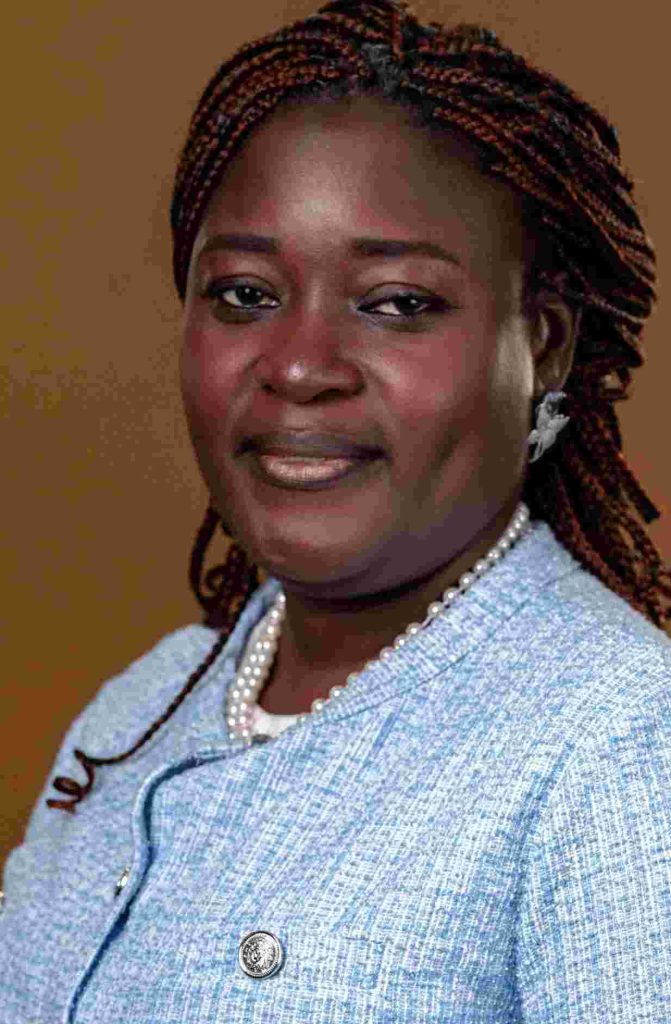
IHVN’s Lead for Prevention and Key Populations, Mrs. Comfort Ochigbo, said although existing interventions address not only adults, the growing burden among young people demands immediate prioritisation.

“To ensure sustainability and effectiveness, harm reduction interventions should focus more on adolescents and young people,” she said, cautioning that exclusion of youths from structured services threatens national HIV prevention efforts.
Mrs Ochigbo expressed concern over persistent barriers such as age restrictions, stigma and discrimination that continue to prevent young people from accessing life-saving harm reduction services.
“At IHVN, we are advocating to ensure that no one is denied harm reduction services because of age, stigma or identity,” she said.
Ochigbo also raised alarm over weak prevention financing, noting that only about nine per cent of health investment in Nigeria is currently allocated to prevention programmes.
She described the gap as “insufficient to sustain effective HIV prevention outcomes,” calling for urgent increases in resource allocation.
According to her, IHVN is pushing for integrated service delivery through the Minimum Package of Prevention Interventions (MPPI) to improve coordination across health and social systems.
She further stressed the need for stronger national collaboration among Ministries, Departments and Agencies, including Youth and Sports and Women Affairs, to establish structured rehabilitation and support systems for affected populations.
Ochigbo warned that without coordinated action, Nigeria risks worsening health and social outcomes among young people affected by drug use. “We cannot end HIV without protecting young people, and we cannot protect young people without scaling up harm reduction interventions,” she said.
She added that beyond medical services, interventions must include psychosocial support, education, skills development and economic empowerment to improve reintegration and reduce relapse into risky behaviours.
