


By National Record, With Agency Reports
ZIMBABWE’s decision to extend President Emmerson Mnangagwa’s stay in office until 2030 has renewed debate over a long-running trend across Africa in which incumbent leaders alter constitutions or electoral rules to prolong their hold on power, often triggering accusations of democratic backsliding.
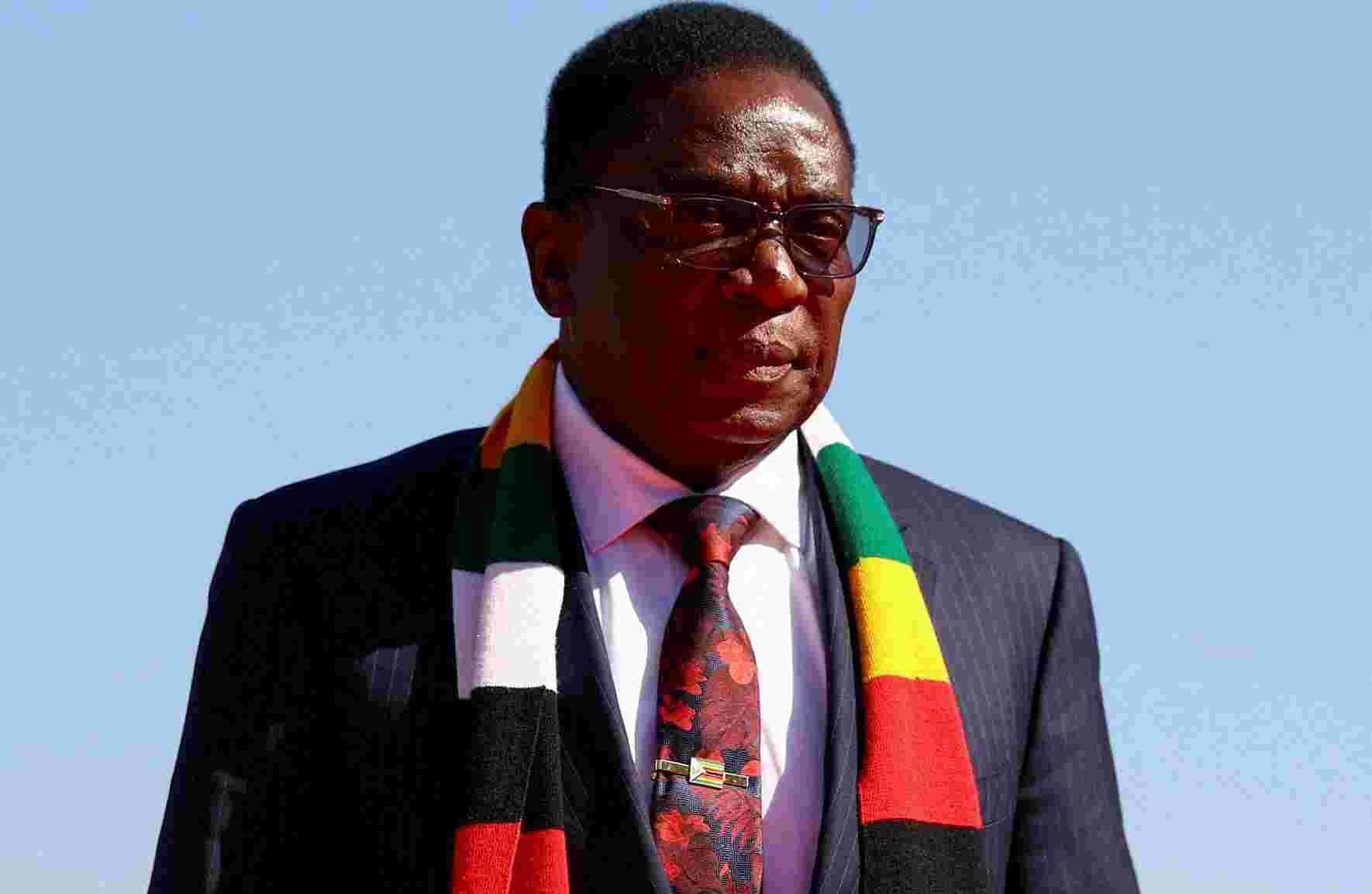
Mnangagwa, on Tuesday, July 7, 2026, signed into law constitutional amendments extending presidential terms from five to seven years, effectively allowing him to remain in office until 2030 instead of leaving at the end of his second term in 2028, government spokesperson Nick Mangwana confirmed.

The legislation, which passed both houses of Zimbabwe’s parliament with the required two-thirds majority last month, also introduces sweeping constitutional changes, including a provision allowing the president to be elected by parliament rather than through direct popular vote.
Supporters argue the reforms will enhance political stability, strengthen governance continuity and reduce the frequency and cost of elections. Critics, however, say they undermine democratic accountability by weakening citizens’ direct role in choosing their leader.
Mangwana announced the enactment of the law on social media, declaring it “signed, sealed and delivered.”
Long-anticipated Move
The constitutional change culminates a political process that has unfolded over nearly two years. Signs that the 83-year-old president intended to remain in office beyond 2028 first emerged when supporters at rallies organised by the ruling ZANU-PF party began chanting slogans urging him to stay longer to complete his development agenda.
In October 2025, ZANU-PF formally resolved to amend the constitution to extend presidential terms. Zimbabwe’s cabinet endorsed the proposal in February before it was introduced to parliament and eventually approved by both legislative chambers.
Mnangagwa, who came to power in November 2017 following the military-assisted removal of longtime ruler Robert Mugabe, had repeatedly stated publicly that he intended to respect constitutional term limits. His opponents nevertheless argued that preparations were underway to prolong his presidency.
Opposition Challenges
The legislation faced legal and political opposition even before its passage. A group of Zimbabwe’s liberation war veterans filed a constitutional challenge earlier this year, arguing that extending the president’s tenure without a national referendum violated constitutional safeguards designed to prevent incumbents from benefiting from amendments to presidential term limits.
Opposition parties, constitutional lawyers and civil society organisations have similarly argued that the reforms amount to an erosion of democratic governance and could concentrate even greater authority in the presidency by eliminating direct presidential elections.
The government has rejected those criticisms, maintaining that the amendments are constitutional and intended to promote political continuity and accountability.
A Familiar African Pattern
Zimbabwe’s constitutional changes fit into a broader pattern that has become one of the defining political challenges across Africa over the past two decades.
While the African continent has witnessed significant democratic progress since the 1990s, with many countries embracing multi-party elections and constitutional term limits, a number of leaders have subsequently amended constitutions or reinterpreted legal provisions to remain in office beyond originally prescribed limits.
Among the most prominent examples is Paul Kagame, whose country’s 2015 constitutional referendum enabled him to seek additional terms, potentially allowing him to remain president until 2034.
In Uganda, parliament removed presidential age limits in 2017, enabling Yoweri Museveni to continue seeking re-election after already serving decades in office.
Cameroon eliminated presidential term limits entirely in 2008, allowing Paul Biya; Africa’s longest-serving head of state, to continue extending his tenure.
In the Republic of Congo, constitutional amendments approved through a 2015 referendum enabled Denis Sassou Nguesso to seek further terms after previously reaching constitutional limits.
Similarly, constitutional revisions in Guinea under former President Alpha Condé, and in Côte d’Ivoire under Alassane Ouattara, generated intense domestic controversy over whether new constitutions effectively reset presidential term counts.
Political analysts say these constitutional amendments often follow similar patterns: ruling parties use overwhelming parliamentary majorities or referendums to alter presidential term limits, electoral systems or eligibility requirements, arguing that continuity promotes stability and economic development, while opponents contend the changes weaken democratic institutions and reduce electoral competitiveness.
Democratic Implications
Regional organisations including the African Union have consistently endorsed constitutionalism, democratic governance and peaceful transfers of power as central principles of African democracy.
Governance experts argue that frequent constitutional amendments designed to benefit incumbents risk weakening public confidence in democratic institutions, increasing political polarisation and discouraging electoral participation.
Supporters of such reforms, however, often argue that longer presidential terms reduce election-related costs, allow governments more time to implement long-term development programmes and avoid policy disruptions associated with frequent elections.
Zimbabwe’s latest constitutional amendments are therefore likely to remain at the centre of both domestic political contestation and wider continental discussions over constitutional governance, presidential succession and democratic accountability.
For many observers, the country’s latest reforms represent not an isolated political development but another chapter in what critics increasingly describe as Africa’s enduring struggle against the constitutional manipulation of presidential term limits; a practice that continues to test the resilience of democratic institutions across the continent.
