


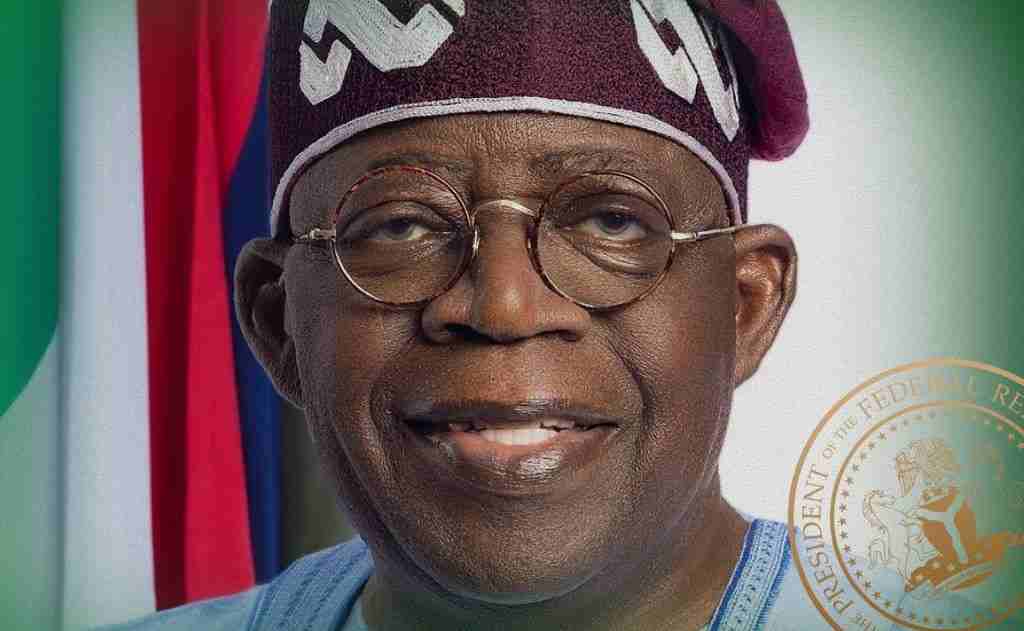
- Honours June 12 Heroes, Announces Awards
PRESIDENT Bola Ahmed Tinubu on Friday commemorated Nigeria’s Democracy Day by celebrating 27 years of uninterrupted civilian rule and calling on citizens to strengthen democratic institutions while working together to secure the nation’s future.
In his nationwide Democracy Day address marking June 12, Tinubu described Nigeria’s democratic experience since 1999 as the longest period of civilian governance in the country’s history, noting that political disagreements have increasingly been resolved through constitutional means rather than violence.
“Democracy is not perfect, but it is ours, and we must continue to defend and strengthen it,” the President said.

He urged stakeholders, including the Independent National Electoral Commission (INEC), security agencies and political parties, to ensure peaceful and credible elections in Ekiti and Osun states in the coming days, warning that public trust in electoral processes remains essential to democratic stability.
RELATED ARTICLE: EDITORIAL: JUNE 12: CELEBRATING THE DREAM, MOURNING THE REALITY
The President also called on the National Assembly, judiciary, media and civil society organisations to continue playing their oversight roles, stressing that criticism and dissent are important components of democracy.
Appeal to Youth and National Institutions
Addressing young Nigerians, Tinubu encouraged them to build their future within the country by contributing their skills, innovation and participation in governance.
“Nigeria is your home and your future. Build here, code here, work here, and vote here,” he said.
He also paid tribute to members of the armed forces, police and intelligence agencies for their service and sacrifice, while acknowledging the contributions of traditional rulers, religious leaders and community heads in promoting peace and reconciliation across the country.
According to the President, government efforts alone are insufficient to overcome national challenges without the support of citizens and community leaders.
Tribute to Democracy Heroes
A significant portion of the address focused on honouring individuals who played key roles in Nigeria’s democratic struggle.
Tinubu paid tribute to the late Chief M.K.O. Abiola, widely regarded as the winner of the annulled June 12, 1993 presidential election, as well as Alhaja Kudirat Abiola and numerous pro-democracy activists who endured imprisonment, persecution, exile and death during the struggle against military rule.
Among those recognised were Gani Fawehinmi, Bola Ige, Alfred Rewane, Anthony Enahoro, Beko Ransome-Kuti and other notable figures whose sacrifices, he said, helped secure the freedoms Nigerians enjoy today.
The President argued that the most fitting tribute to these individuals would be the continued strengthening of democratic institutions, protection of freedoms and expansion of opportunities for all citizens.
Security Challenges and Response
While celebrating democratic progress, Tinubu acknowledged ongoing security concerns, particularly the recent abduction of children in Oyo and Borno states.
He said the incidents had cast a shadow over this year’s Democracy Day celebrations but reaffirmed the government’s commitment to securing the country.
According to the President, his administration has declared a security emergency, approved the recruitment of more than 50,000 police officers and thousands of military personnel, and allocated N5.41 trillion to defence and security in the 2026 budget – the largest security allocation in Nigeria’s history.
Tinubu said Nigeria’s security forces have transitioned from training exercises with international partners to precision military operations against terrorist groups.
He cited military operations in Arege, Borno State, which he said degraded the command structure of the Islamic State West Africa Province (ISWAP).
The President further claimed that terror-related deaths have declined by 81 per cent since 2015 and that more than 13,000 terrorists were neutralised in the past year.
At the same time, he highlighted the government’s de-radicalisation and re-integration programme, Operation Safe Corridor, noting that over 124,000 fighters and their dependants have surrendered since 2023.
He warned bandits, kidnappers and sponsors of terrorism to surrender or face intensified government action.
“Crime has no ethnicity,” Tinubu said, urging Nigerians to reject divisive narratives and unite against insecurity.
Economic Freedom as the Next Democratic Frontier
Tinubu described economic transformation as the next major challenge facing Nigeria after the achievement of political freedom.
He argued that democracy should translate into tangible improvements in living conditions through jobs, business opportunities, agricultural productivity and higher standards of living.
“June 12, 1993, revealed the possibility of a true Nigerian nation. The heroes of June 12 secured political freedom. Our challenge is to secure economic freedom,” he said.
The President defended the economic reforms introduced since 2023, describing them as necessary measures designed to restore fiscal stability and investor confidence.
According to him, government revenues have increased, transparency has improved and investments are growing across sectors including agriculture, energy, manufacturing, technology, mining, transportation and the creative industry.
He also noted improvements in domestic refining capacity, which he said have enhanced energy security and reduced dependence on imported petroleum products.
Electricity Sector Reforms
The President devoted considerable attention to reforms in the electricity sector, describing the power industry inherited by his administration as burdened by inadequate generation, poor transmission infrastructure, significant distribution losses and mounting debts.
Tinubu highlighted the implementation of the Electricity Act, which grants states greater authority to generate, transmit and distribute power.
He disclosed that the Presidential Power Sector Task Force had been authorised to raise a ₦4 trillion bond to settle verified legacy debts within the electricity value chain.
The administration, he added, is also working to reduce the national metering deficit through ongoing interventions.
In addition, he said the Rural Electrification Agency (REA), supported by international development partners, has expanded off-grid and mini-grid electricity projects to underserved communities, educational institutions, markets and healthcare facilities.
“Electricity is a democratic dividend we owe every Nigerian,” the President said.
Agriculture, Exports and Infrastructure Development
Tinubu said ongoing infrastructure projects nationwide are helping to connect producers to markets while creating jobs and stimulating economic activity.
He announced that the National Agricultural Development Fund is implementing a programme to deploy 10,000 tractors over five years to support agricultural productivity.
The President also reported progress in non-oil exports, which he said grew by 21 per cent in the past year, while more than 1,000 small and medium-sized enterprises have been certified for export activities.
Despite these gains, he acknowledged that many Nigerians continue to face economic hardship.
The administration, he said, remains focused on reducing inflation, boosting food production, creating jobs and improving living standards.
“We are moving from uncertainty to stability. The next phase is about accelerating growth and ensuring the benefits are felt in every home,” he said.
Push for Local Government Autonomy
The President reiterated his administration’s commitment to strengthening grassroots governance through financial autonomy for Nigeria’s 774 local government councils. According to him, weak local governance structures have contributed to insecurity and underdevelopment across many communities.
Tinubu said the Renewed Hope Agenda seeks to ensure that governance delivers benefits directly to citizens at all levels.
Institute Renamed After Shehu Musa Yar’Adua
Among the major announcements in the address was the Federal Government’s decision to rename and revitalise the completed Institute of Petroleum Studies in Kaduna.
The institution will now be known as the General Shehu Musa Yar’Adua University of Geological Sciences and Engineering Technology in honour of the late military officer and politician whose efforts contributed to Nigeria’s democratic development.
Tinubu described the late Yar’Adua as one of the architects of modern democratic Nigeria and praised his vision of national partnership and inclusion.
National Honours for Democracy Activists
The President also announced national honours for dozens of journalists, activists, lawyers, politicians and pro-democracy campaigners who played significant roles during the June 12 struggle.
The list includes media practitioners, civil society leaders and former political detainees who suffered persecution, exile and imprisonment under military rule.
In addition, Tinubu recognised several military officers whom he described as “soldier-democrats” for their contributions to the restoration of democratic governance. He said the full honours list would be released in the coming days.
Call for Unity and Renewed National Purpose
Concluding the address, Tinubu urged Nigerians to reject division, cynicism and despair while embracing unity, hope and shared national purpose.
Reflecting on concerns that democracy might not survive Nigeria’s diversity, he said the country had demonstrated that diversity can be a source of democratic strength rather than weakness.
“The road ahead is steep. But June 12 reminds us: Nigerians do not break. We bend, we bleed, but we do not break,” the President said.
He called on citizens to renew their commitment to ensuring that the sacrifices of past democratic heroes are not in vain and reaffirmed his belief that Nigeria can build a future defined by justice, liberty, accountability and prosperity.
Read the full address here.
