


By Our Reporter, With Agency Reports
THE ISLAMIC Republic of Iran is facing its most significant internal challenge in at least three years as nationwide protests, now in their third week, have prompted a severe government crackdown forcing state authorities to impose a near-total internet blackout.
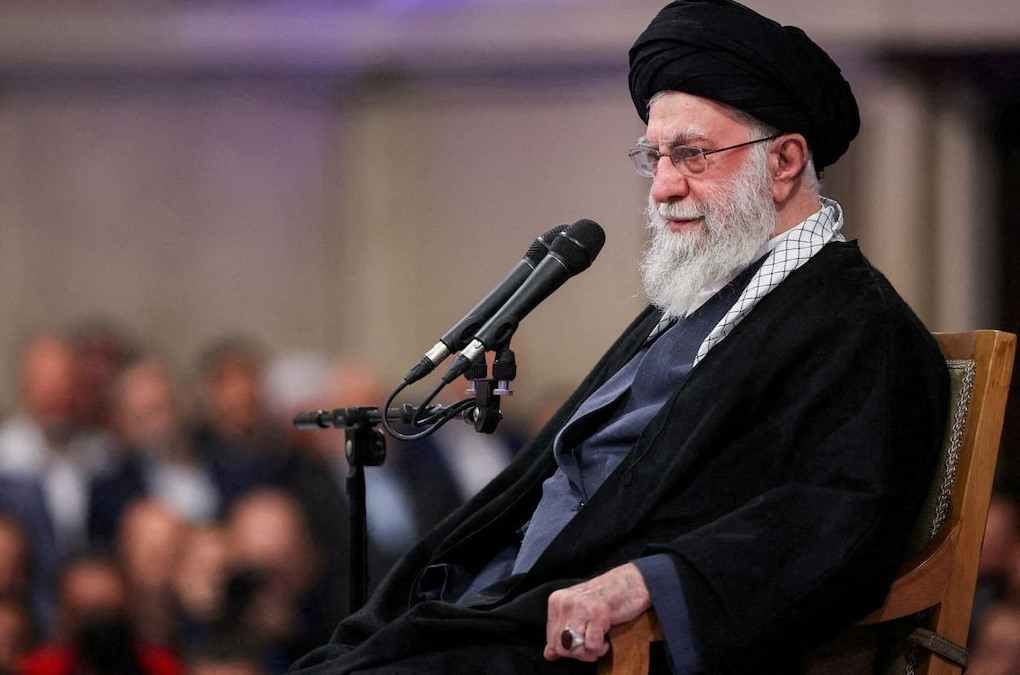
The Supreme Leader, Ayatollah Ali Khamenei, has condemned demonstrators and prosecutors have threatened them with the death penalty.

Reports from rights groups indicate dozens have been killed in the escalating unrest.
In a drastic move to stifle information flow and curb organising, Iranian authorities largely severed the country’s connection to the global internet on Friday.
The blackout has sharply reduced the amount of verifiable information emerging from Iran, with international phone calls failing to connect.
The disruption has also affected air travel, leading to the cancellation of numerous flights between Iran and destinations like Dubai and Turkey.
The protests, which began on December 28, have grown increasingly violent. The Iranian rights group HRANA documented at least 62 deaths as of Friday, including 48 protesters and 14 security personnel.
State media reported the deaths of several police officers overnight. Verified videos and state television broadcasts show significant damage, including burning vehicles, buses, and buildings, as well as clashes between security forces and demonstrators.
In one incident in Zahedan, a protest march was met with gunfire, wounding several people.
While the initial catalyst for the demonstrations was a dire economic situation – marked by a currency in freefall and inflation over 40% – slogans have rapidly evolved to directly challenge the ruling establishment.
Chants of “Death to the dictator!” and “Death to Khamenei!” have been recorded, alongside expressions of support for the pre-1979 monarchy.
In a televised address on Friday, Supreme Leader Ayatollah Ali Khamenei delivered his toughest rhetoric yet, vowing the Islamic Republic would “not back down” and accusing protesters of being vandals acting on behalf of foreign opponents and the United States.
Following his lead, Tehran’s public prosecutor stated that those committing sabotage or confronting security forces would face the death penalty.
The protests have drawn calls for support from Iran’s fragmented external opposition, including the exiled son of the late Shah. However, the level of domestic support for these specific groups remains unclear.
The international response has been one of concern. The UN rights chief expressed deep disturbance at the reported violence and communications shutdowns.
U.S. President Donald Trump, who has previously warned Tehran, stated he would not meet with opposition figures but reiterated criticism of the regime. Iranian officials, meanwhile, have dismissed the likelihood of foreign military intervention.
The current unrest represents the latest in a series of major nationwide protests the clerical establishment has faced in recent decades. The government has attempted a dual strategy, acknowledging economic grievances as legitimate while condemning and forcefully suppressing what it labels as violent rioting.
Despite offering modest financial relief last week, the escalation in rhetoric and security response indicates a hardening of the state’s position as it seeks to quell the most serious internal dissent since the “Woman, Life, Freedom” protests of 2022.
