


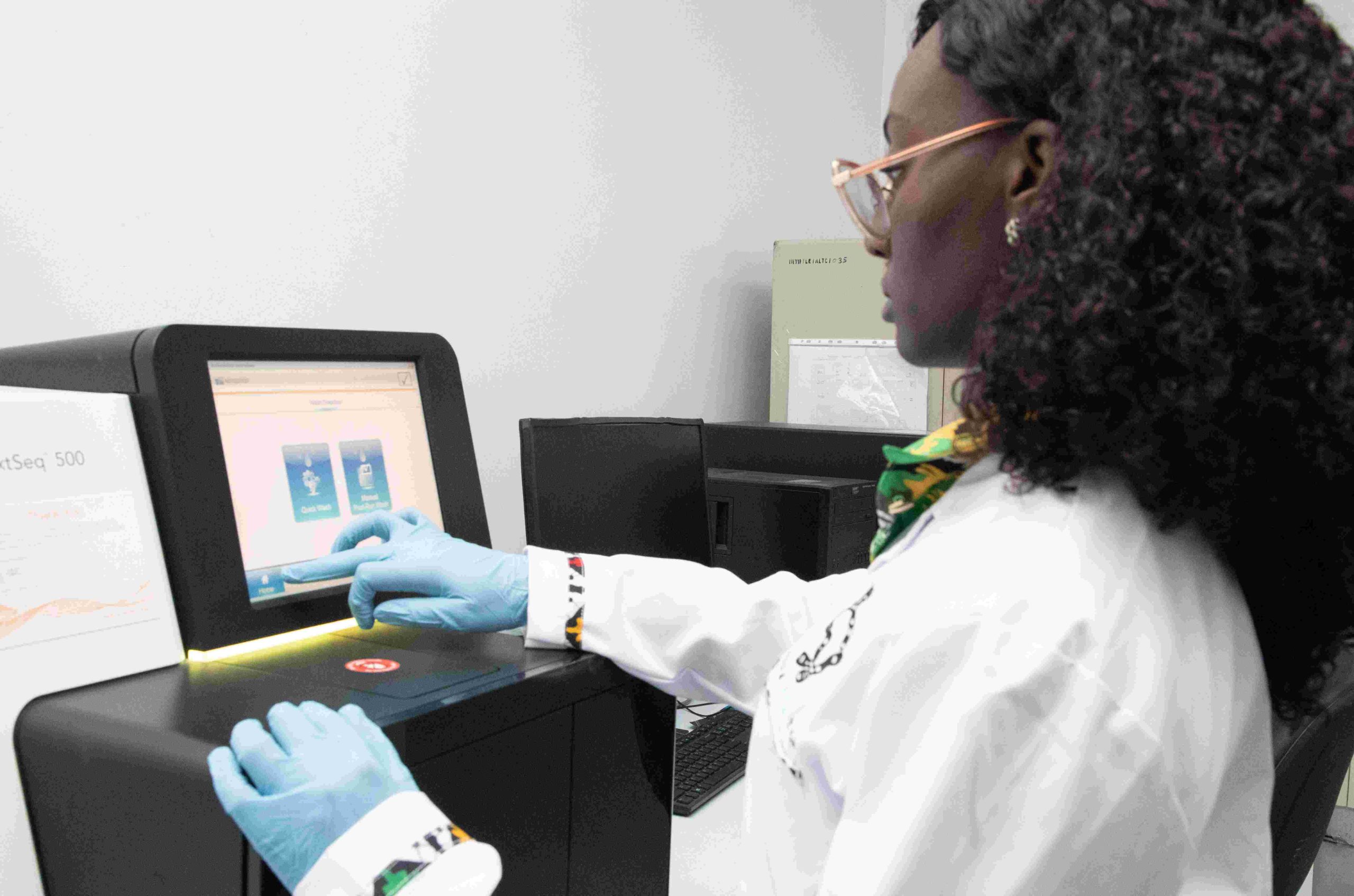
NIGERIA risks losing out on the transformative potential of genomic research if it continues to regard genetic science as a preserve of wealthy individuals and institutions, a medical laboratory scientist has warned, calling for greater investment to harness its benefits for public health.

Dr Judith Arachie, a medical laboratory scientist and Head of Molecular Genomics at the Institute of Human Virology Nigeria (IHVN), said the high cost of genomic testing and research should not discourage researchers from exploring its potential to improve disease prevention, diagnosis and treatment.
“We encounter this perception, particularly among researchers who recognise the importance of genomics but believe it is beyond their financial reach,” Dr. Arachie revealed in an interview with National Record.

Dr. Arachie, who is also a medical doctor in complementary and alternative medicine, said IHVN continues to engage researchers and highlight the importance of genomics, particularly as Nigeria seeks to strengthen its genetic research capacity and build comprehensive databases that reflect the country’s population.
According to her, genomics, which involves studying the complete genetic makeup of individuals and organisms, has significant applications in addressing several public health priorities, including HIV, tuberculosis, malaria, disease outbreaks and sickle cell disease.
She noted that understanding genetic information helps researchers establish how genes function and how they interact with pathogens and environmental factors that can influence people’s health and increase their susceptibility to certain diseases.
Dr. Arachie stressed that expanding genomics research in Africa would provide direct benefits to local populations by generating scientific evidence that reflects the continent’s genetic diversity and specific health needs.
She, however, acknowledged concerns surrounding the ethical use, security and privacy of genetic information, noting that some people remain apprehensive about how their genetic data would be handled after collection and whether it could be exposed to misuse.
According to her, the Nigeria Data Protection Act and ongoing efforts by the Genomics Consortium provide an important foundation for discussions on safeguarding genetic information and preventing data breaches.
“The solution is not to avoid genomics but to ensure that its implementation is guided by strong bioethical principles, data protection measures, community engagement, and appropriate governance frameworks,” she said.
She expressed hope that strengthening these safeguards would reassure research participants and the wider public that their personal information and interests would be protected.
On the role of genomics in tackling antimicrobial resistance (AMR), Dr. Arachie explained that genomic technologies could help researchers understand how resistance develops and spreads across humans, animals and the environment.
She noted that human health is closely interconnected with animal health and the environment, making genomics an important tool for investigating the transmission and spread of antimicrobial-resistant organisms across different ecosystems.
Dr. Arachie said advanced technologies such as Next Generation Sequencing (NGS) and metagenomics enable researchers to examine genetic material collected from different environmental sources, identify organisms and detect patterns associated with antimicrobial resistance.
“For instance, researchers can investigate how antimicrobial-resistant organisms present in the environment may affect humans, wildlife, and aquatic ecosystems,” she explained.
She added that findings from such studies could strengthen surveillance systems, improve understanding of how antimicrobial resistance spreads and inform more effective interventions across human, animal and environmental health.
Dr. Arachie’s remarks underscore the need for Nigeria to expand access to genomic research, strengthen its scientific infrastructure and establish robust data protection systems to ensure that the benefits of emerging genetic technologies are accessible to the wider population.
