



LOW awareness of Nigeria’s existing genomic research capacity is driving some researchers to send biological samples abroad for testing, despite the availability of advanced facilities and expertise within the country, a leading public health medical laboratory scientist has revealed.
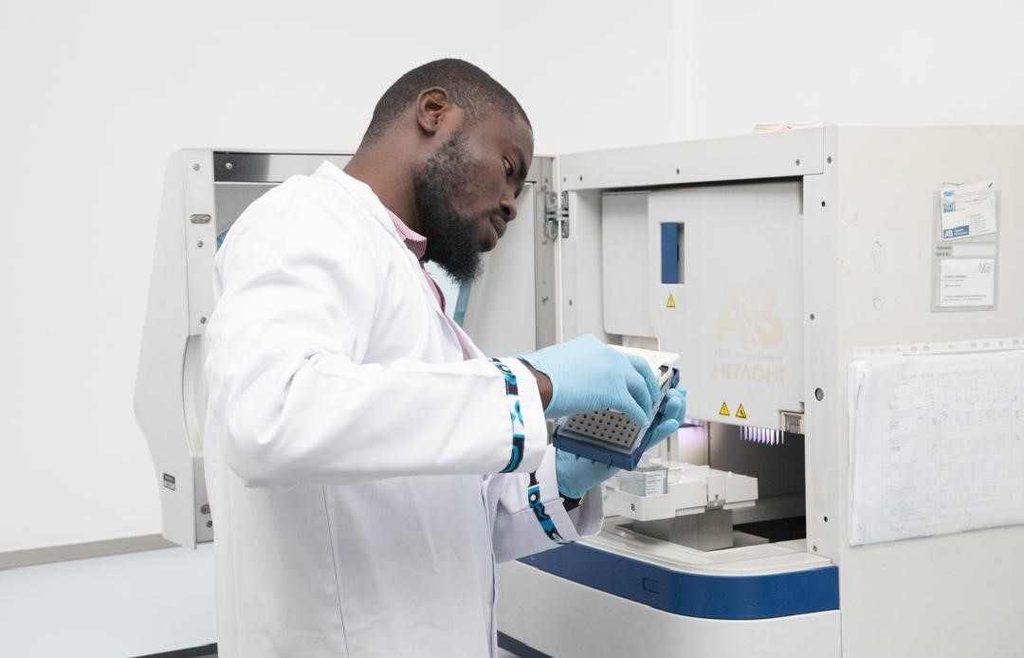
Dr Judith Arachie, Head of the Molecular Genomics Unit at the Institute of Human Virology Nigeria (IHVN), said Nigeria has the scientific expertise and capacity to become a stronger force in genomic research and precision medicine but is being held back by inadequate awareness, limited training opportunities, costly laboratory infrastructure and unreliable supply chains.
Dr. Arachie, who is also a medical doctor in Complementary and Alternative Medicine, identified public awareness as the first critical step towards unlocking the country’s potential in genomics, noting that many researchers were still unaware of the advanced testing facilities and expertise available in Nigeria.

She explained in an interview with National Record that some Nigerian researchers continued to send biological samples to countries such as Turkey, Germany and South Africa for genomic analysis, despite the availability of advanced testing services at institutions within the country.
“We need to make people aware of these local capabilities and encourage greater utilisation of the facilities and expertise available in the country,” she said.
According to her, building a strong genomics ecosystem also requires deliberate investment in training scientists, molecular biologists and other relevant professionals to equip them with the technical knowledge and practical skills needed to undertake genomic research and testing.
Dr. Arachie, who is also a medical doctor in complementary and alternative medicine, said “the high cost of genomic equipment makes government support and institutional investment essential to expanding access to the technology.”
She identified the supply chain for laboratory reagents and consumables as another major challenge confronting genomic research in Nigeria.
She explained that many specialised laboratory reagents are not manufactured locally and must be imported, sometimes through several countries before reaching Nigeria, resulting in delays and potential disruptions to the cold-chain conditions required to preserve their quality.
According to her, exposure to unsuitable transportation and storage conditions can cause some reagents to deteriorate or lose potency, potentially compromising the reliability of laboratory results and forcing laboratories to repeat tests at additional costs.
She, however, noted that some manufacturers and suppliers, including Thermo Fisher, have taken steps to improve access to laboratory reagents by engaging local representatives and making selected products more readily available in Nigeria.
Such arrangements, she said, could reduce turnaround times, minimise supply-related challenges and improve access to reagents with appropriate shelf lives. Beyond equipment and laboratory supplies, Dr. Arachie emphasised the need to strengthen Nigeria’s bioinformatics capacity, describing data analysis and interpretation as critical components of genomic research.
She explained that generating genomic data alone was insufficient, as skilled bioinformaticians were needed to analyse genetic information, identify microbial strains, interpret phylogenetic relationships and translate research findings into meaningful insights for clinical practice and public health decision-making.
She therefore called for sustained investment in professional training, laboratory infrastructure, reliable electricity, cold-chain facilities, logistics and effective supply chain management.
Dr. Arachie expressed optimism that Nigeria could overcome these challenges, noting that IHVN has experienced scientists and professionals who can contribute to training and capacity development, alongside other seasoned researchers and specialists across the country.
“Stronger collaboration among government, research institutions, scientists and industry stakeholders, backed by sustained investment, would position Nigeria to expand genomic services, strengthen local research and make significant progress towards precision medicine,” she concluded.
