


THE UNITED States (US) House of Representatives has approved a fiscal year 2027 appropriations bill that would withhold U.S. foreign assistance to Nigeria until the Federal Government demonstrates measurable progress in protecting Christian communities from religiously-motivated violence.
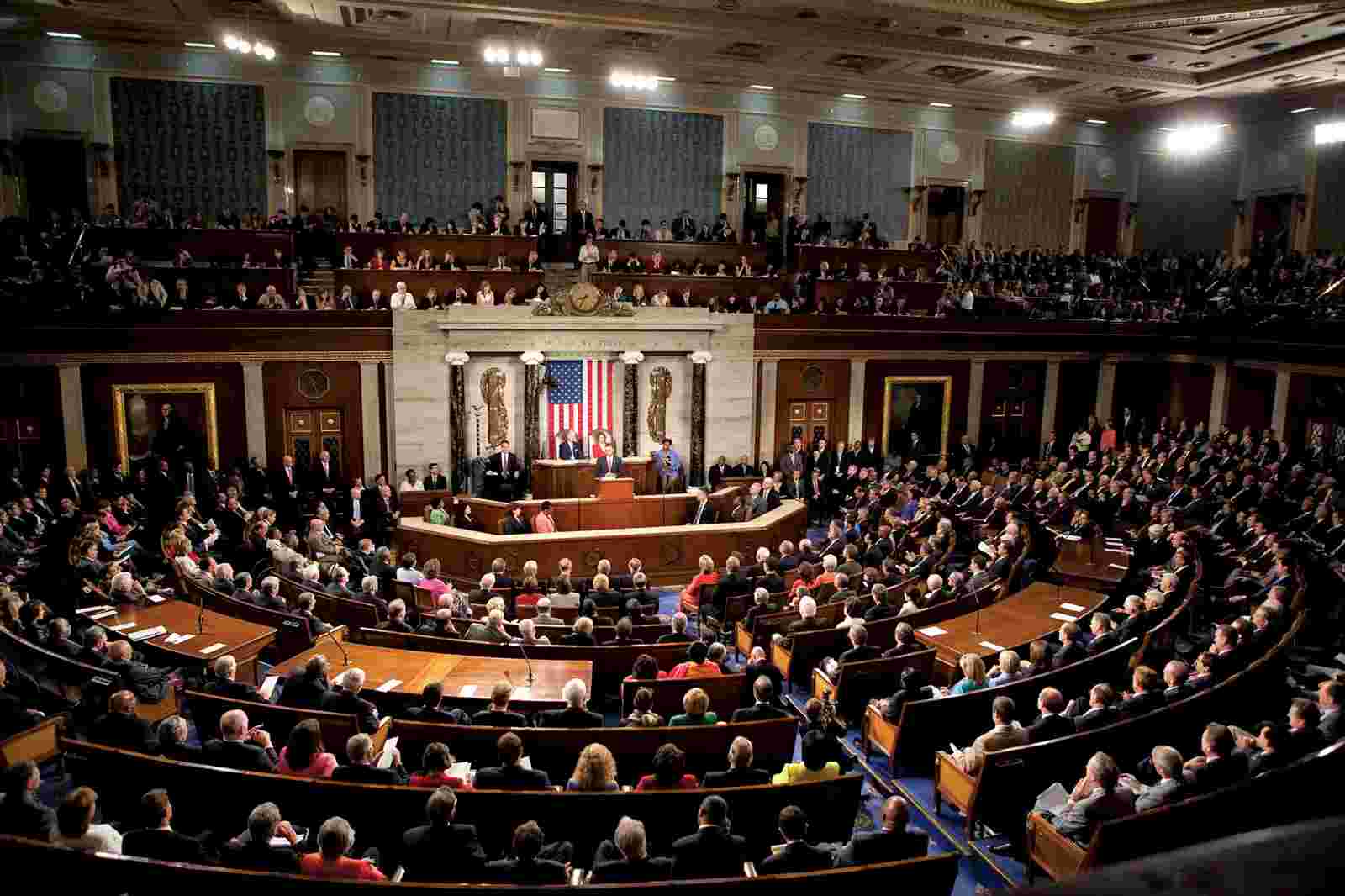
The measure is contained in the National Security, Department of State, and Related Programs (NSRP) Appropriations Act, which passed the House in a 217-209 vote.
The legislation now moves to the Senate, where it must be approved before it can be sent to President Donald Trump for his signature. Until it clears both stages, the proposal does not have the force of law.

According to the House Appropriations Committee, the bill includes provisions aimed at “holding foreign governments and bad actors accountable for persecuting people of faith,” including language that would restrict assistance to Nigeria until “measurable actions are taken to protect Christian communities suffering from religious violence.”
The legislation also provides support for international religious freedom programmes and protections for faith-based organisations involved in delivering foreign aid. These provisions were highlighted when the committee released the bill in April and again after its passage by the full House.
The Nigeria-related provisions were championed by Representative Riley Moore, a Republican from West Virginia, who has repeatedly argued that Christians in parts of Nigeria face persistent attacks from extremist groups and armed militants.
Following the House vote, Moore said the legislation conditions U.S. assistance on tangible progress by the Nigerian government in protecting Christians, particularly in areas affected by violence, while also encouraging closer law enforcement cooperation between Washington and Abuja.
Representative Greg Steube, a Republican from Florida, successfully sponsored an amendment that increased the proposed withholding of U.S. assistance from 50 percent to 100 percent until the certification requirements are met.
Announcing the amendment’s approval, Steube said on social media that American taxpayers should not fund governments that fail to protect Christians from abduction, torture and murder.
The House legislation reflects growing concern among some Republican lawmakers over attacks targeting Christian communities in Nigeria’s Middle Belt and other regions.
Moore has previously accused the Nigerian government of failing to adequately address violence attributed to armed Fulani militants and other extremist groups, arguing that stronger accountability measures are necessary before U.S. assistance continues.
Despite the proposed restrictions, the United States and Nigeria have maintained security cooperation against terrorist organisations operating in West Africa.
In recent years, the two countries have collaborated on intelligence sharing, counterterrorism operations and military assistance aimed at combating Boko Haram and the Islamic State West Africa Province (ISWAP).
The latest House measure comes against the backdrop of broader changes in U.S. foreign assistance under the Trump administration.
While the administration has reduced several overseas aid programmes, it has continued to support selected security initiatives, particularly those linked to counter-terrorism and regional stability.
The proposed restrictions are also likely to revive debate over the nature of violence in Nigeria. While some U.S. lawmakers and advocacy groups argue that Christians are being systematically targeted, the Nigerian government has consistently rejected allegations of genocide or state-sponsored religious persecution. Nigerian authorities maintain that insecurity in the country stems from a complex mix of terrorism, banditry, communal clashes and criminal violence affecting both Christians and Muslims.
Several international human rights organisations have similarly cautioned against describing the conflict solely as religious, noting that the violence often involves overlapping ethnic, economic and territorial disputes, although religious identity can be a significant factor in some attacks.
If ultimately enacted, the legislation would require the U.S. administration to certify that Nigeria has taken effective and measurable steps to protect Christian communities before foreign assistance can resume under the terms outlined in the bill.
However, with Senate consideration still pending, the proposal remains part of the congressional appropriations process and could be amended before any final legislation reaches the President’s desk.
