


By Our Reporter, With Agency Reports
THE FEDERAL Capital Territory (FCT) area council elections Saturday witnessed mixed outcomes across the six councils, with low voter turnout in several communities despite early arrival of electoral materials and generally peaceful conduct, observers and officials have reported.
The Independent National Electoral Commission (INEC) recorded early deployment of election materials and ad hoc staff in most polling units across the territory, with officials arriving at several locations as early as 7:30 a.m.
At polling units in Area 8, City Centre, AMAC, Presiding Officer, Emmanuel Miracle, confirmed their 7:30 a.m. arrival, stating, “We’re set and waiting for the time for commencement of the election.”
However, voter apathy emerged as a significant concern, particularly in Bwari and Kuje area councils.
The News Agency of Nigeria (NAN) correspondents monitoring the exercise reported few voters at LEA Primary School, Kubwa, and Kayada Primary School as of 8:30 a.m.
In Kuje, polling units 035, 030, and 026 witnessed noticeably low turnout despite early arrival of materials, with some voters attributing the situation to technical challenges.
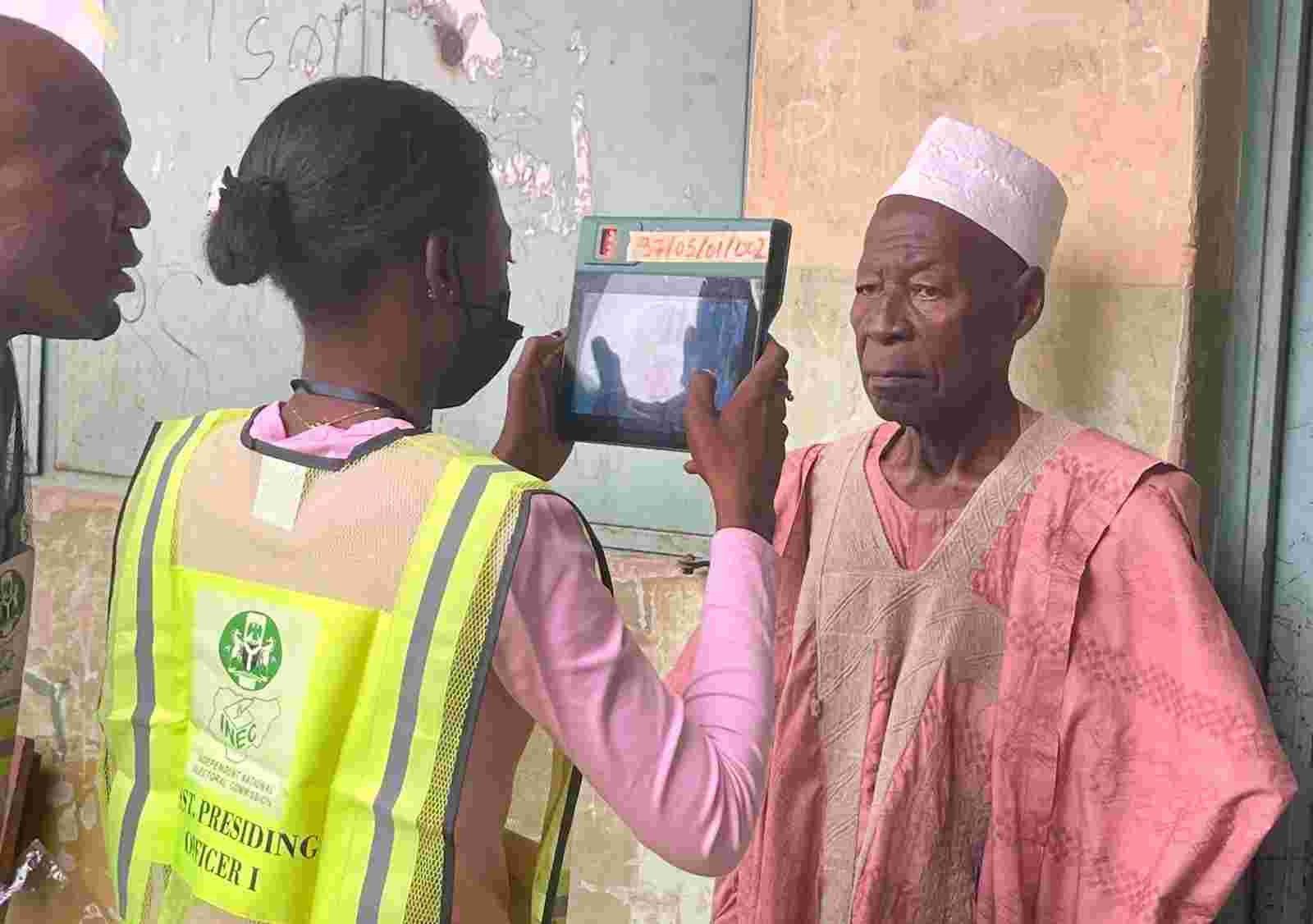
At Kauna Plaza polling unit 030 in Kuje, APC agent, Mr Abraham Silas, blamed the low turnout on Bimodal Voter Accreditation System (BVAS) malfunctioning.
“Voters were told to wait till 10 a.m. when the BVAS was designed to start working; some had to go home, hoping to come back by 10 a.m.,” Silas explained. PDP agent, Mr Ado Shekwolo, expressed satisfaction with the security situation, expressing hope for a hitch-free and credible election.
In contrast, accreditation and voting proceeded steadily in Kwali Area Council, where eligible voters queued at Pilot Science Primary School and Health Care Centre polling units.
Mr Ahmad Badaru, a voter, expressed satisfaction with INEC’s arrangement, noting that presiding officers arrived on time with voting materials. Polling unit 013 has 780 registered voters, while unit 003 has 774.
The Chairman of Abuja Municipal Area Council (AMAC) and APC chairmanship candidate, Mr Christopher Maikalangu, expressed satisfaction with the electoral process after casting his vote at polling unit 004 in Garki Village.
Maikalangu, seeking re-election, described the process as seamless, noting he cast his ballot in less than three minutes.
“Local government election is meant for local people, and that is why when you come to remote areas, you will see the turnout is different from that of the city,” he observed.
Maikalangu called for improved logistics in future elections, acknowledging reports of delays in material arrival in some areas.
“I will advise that there is need to improve on logistics, because some areas are yet to get their materials. But in terms of the voting process, everything is smooth,” he said, while also expressing 100 per cent optimism about winning the poll, describing the area as his stronghold, and promised to prioritise youth empowerment and democratic dividends if re-elected.
Traditional ruler, the Sapeyi of Garki Chiefdom, Alhaji Usman Kupi, assessed the electoral process as “relatively fair” after casting his vote at polling unit 002, Garki.
While expressing optimism that voter turnout would improve as the day progressed, he described the FCT security situation as stable, commending Minister Nyesom Wike, the police, and other security agencies for tackling challenges such as kidnapping and banditry.
Security presence was robust across polling units, with personnel from the Nigeria Police Force, Nigeria Security and Civil Defence Corps, Nigeria Correctional Service, Army, and Nigeria Immigration Service visibly deployed.
The Permanent Secretary of the Ministry of Police Affairs, Dr Anuma Ogbonnaya, who monitored elections within AMAC, reassured residents of peaceful polls.
“So far, so good in the areas we have visited; all security personnel are on duty and actively monitoring activities. There is no chaos; everywhere is calm,” Ogbonnaya stated.
Physically-challenged voter, Mr Abraham Audu, who voted at polling unit 002 in Garki with his son’s assistance, reported a smooth process.
“I was assisted and I did it successfully. No problem, no challenge. Everything is going on well,” Audu said, calling on government to remember grassroots communities in their plans.
At Angwan-Hausawa Community in Kwali Area Council, 80-year-old Chief Abubakar Ladan, who was privileged to vote first due to his age, urged incoming council leaders to prioritise security and welfare.
“What we want from the government that will emerge after today’s election is for them to ensure people have what to eat and be comfortable in the community,” Ladan said after casting his vote at Polling Unit 002.
Meanwhile, the Nigeria Civil Society Situation Room, which deployed observers for the election, had expressed pre-election concerns about persistent voter apathy, particularly in AMAC where turnout stood at just 5.09 per cent in the 2022 elections.
The group also raised alarm over allegations of vote-buying and intimidation in AMAC, indigene-settler tensions in Gwagwalada, and security pressures in boundary communities.
Party agents from APC, Peoples Democratic Party, African Democratic Congress, and Labour Party were sighted at various polling units monitoring the exercise.
Electoral officials reported that their machines were functioning optimally, with voters’ lists pasted at polling units to enable prospective voters to search for their names before queuing.
Minimal vehicular movement and skeletal commercial activities characterised many council areas as residents participated in the election, which covers 62 electoral wards and 2,822 polling units, with 1,680,315 registered voters expected to elect six chairmen and 62 councillors.
