


By Amos Aar
THE UNITED Farmers’ Association Kadarko (UFAK) has once again raised alarm over what it called a sustained persecution of Tiv farmers in Nasarawa State, alleging mass killings, large-scale displacement and deliberate suppression of investigations into violent attacks on Tiv communities across several local government areas of the state.
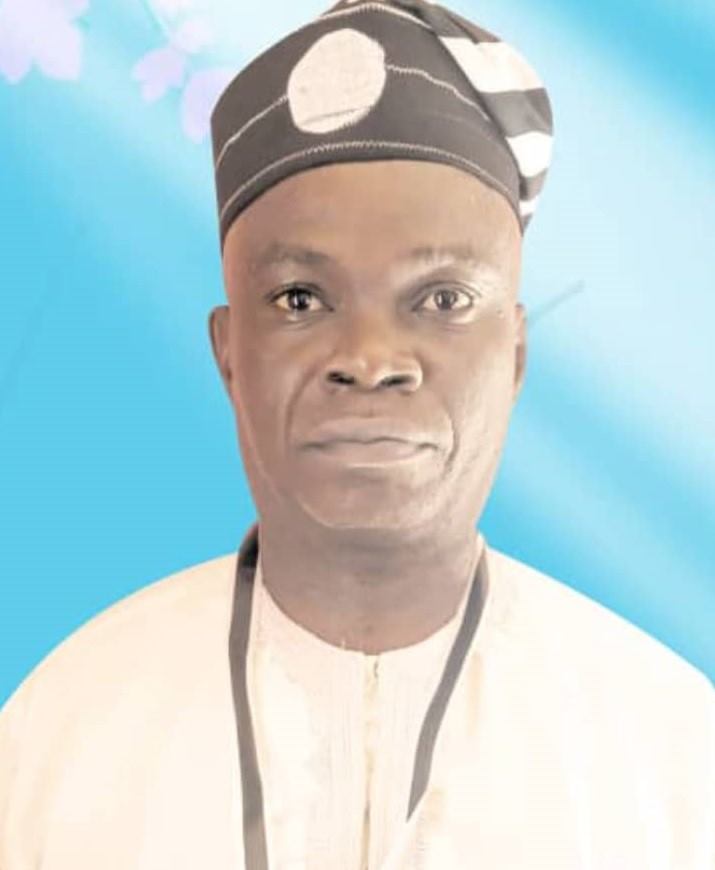
The allegations were contained in a detailed petition presented to the Tiv Traditional Area Council, Mdzough u Tiv (MUT), and other Tiv socio-cultural and professional bodies during activities marking the 2025 Tiv Day celebration held on December 13 in Gboko, Benue State.

The petition was publicly read at a lecture organised at the University of Mkar, Mkar, Benue State, as part of the Tiv Day commemorative events.
In the petition signed by its Chairman, Chief Dennis Denen Gbongbon, and Secretary, Mr Ayuba T. Bako, the association alleged that no fewer than 394 Tiv farmers were massacred in Keana Local Government Area in June 2024. It claimed that the victims were officially declared missing by the police and the Keana Local Government authorities, while their bodies were allegedly diverted under questionable circumstances.
UFAK demanded the immediate recovery of the alleged missing corpses to enable proper burial rites in accordance with Tiv culture and tradition, warning that continued denial of burial could further inflame tensions and threaten peaceful coexistence.
The farmers’ group also accused the Nasarawa State Government and security agencies of failing to act despite what it referred to as repeated alerts to the Presidency, the Defence Headquarters and the Department of State Services on the locations of alleged terror camps and their leaders operating in parts of Keana, Doma and other areas of southern Nasarawa, including Kadarko, Giza, Rukubi and Agyaragu.
According to the association, the continued inaction of government institutions had worsened insecurity and prolonged the suffering of Tiv communities affected by years of violent attacks. It appealed to the Tiv Traditional Area Council and MUT to urgently intervene to ensure justice for the victims and compel relevant authorities to recover the alleged missing bodies.
UFAK further decried the humanitarian condition of displaced Tiv farmers, claiming that about 652,260 persons were currently displaced, including over 14,000 from communities such as Kadarko, Giza, Dooshima, Antsa, Sule-Alo, Kpalev, Ajimaka Obosidoma, Keana, Doma, Obi and Awe. It said many of the displaced persons were living in internally displaced persons’ camps in Makurdi and other locations.
The association called on the Nasarawa State Government to take responsibility for facilitating the safe return of displaced persons to their ancestral homes, reunite them with their families, provide relief materials and guarantee their security.
It also alleged that Tiv farmers had suffered neglect since the transition from the administration of former Governor Umaru Tanko Al-Makura to the current government, a situation it said had deepened poverty, hunger and insecurity across Tiv settlements in Nasarawa State.
UFAK also attached records of previous petitions submitted to the Presidency, security agencies and other government institutions, lamenting that no decisive action had been taken so far. It appealed to the international community, humanitarian and human rights organisations, civil society groups and Tiv professionals at home and abroad to support efforts aimed at recovering the alleged missing bodies and addressing the humanitarian crisis.
The group provided a breakdown of damages allegedly recorded between 2018 and 2025 across Keana, Obi, Doma, Awe and Lafia local government areas, claiming that 314 communities were invaded, 539 churches attacked, 158,251 houses destroyed, 3,959 persons killed and more than 652,000 persons displaced, with thousands of others missing or injured.
According to the president, the petition was submitted for urgent attention and decisive action to end the suffering of Tiv farmers and restore peace to affected communities in Nasarawa State.
