


By Amos Aar
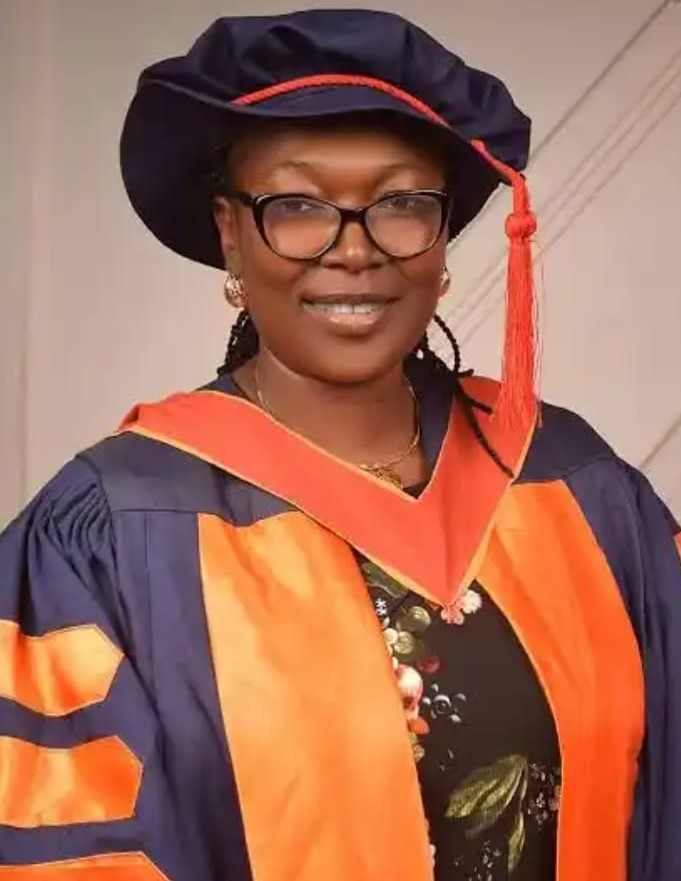
BENUE State Commissioner for Education and Knowledge Management, Dr (Mrs) Margaret Adamu, has clarified public misconceptions about the use of Mathematics as a requirement for university admission, stressing that the subject remains compulsory for all science and technology-related courses in Nigeria.
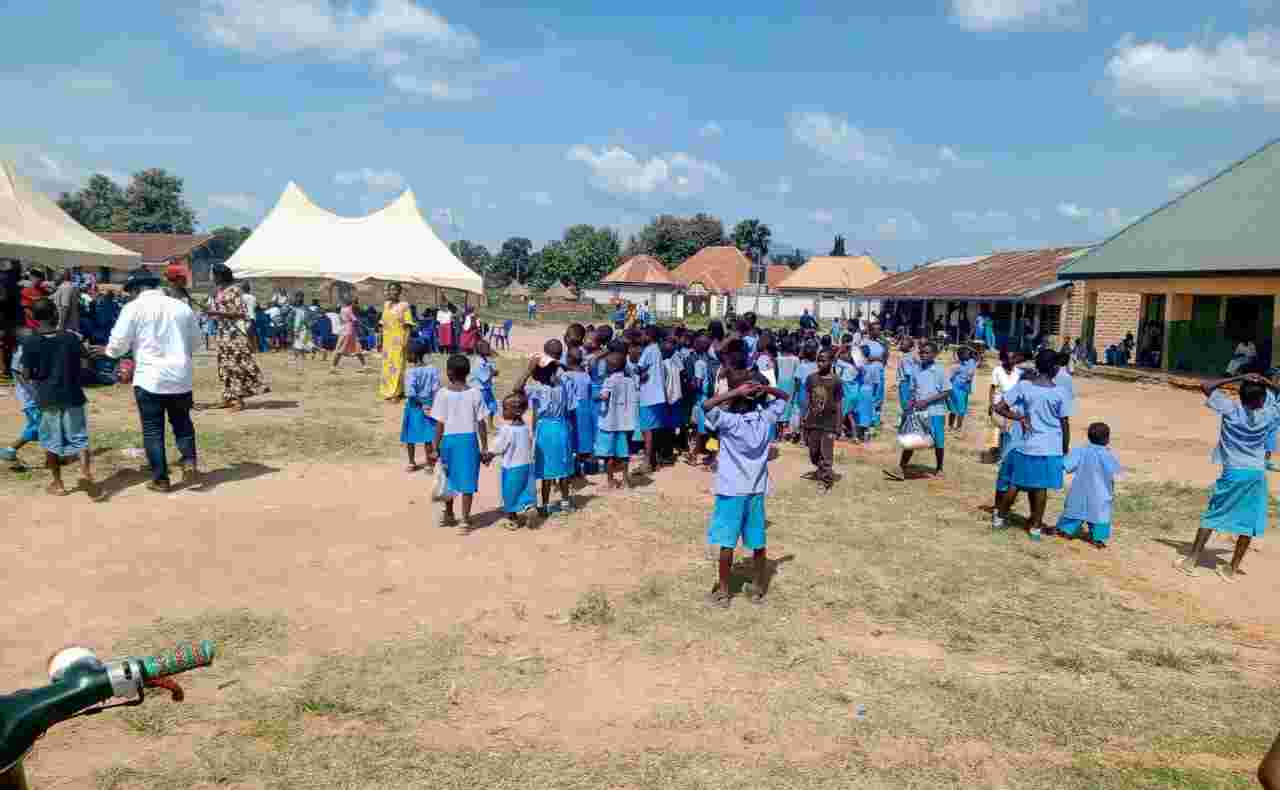
Speaking during the graduation ceremony of learners under the Accelerated Learning Programme (ALP) at RCM Primary School, Jato-Aka in Kwande LGA, Dr. Adamu said reports suggesting a general exemption were misleading.

She explained that the waiver applies only to physically challenged candidates seeking admission into non-science and non-technical courses, adding that the rule does not affect applicants for science-based programmes.
“For science courses, Mathematics is compulsory for everyone, including persons living with disabilities. The exemption is strictly for physically challenged candidates applying for courses that are not science or technologically inclined”, she explained
The commissioner, who chairs the State Technical Committee of the Global Partnership for Education (GPE) project, also dismissed claims that merit is no longer considered in recruitment into the education sector. She said the recent State Universal Basic Education Board (SUBEB) recruitment, which engaged more than 9,000 teachers, was conducted strictly on merit and computer-based assessments without political interference.
Earlier, the Headteacher of RCM Primary School, Jato-Aka, Dr. Comfort Ajio, appealed to the government to deploy additional teachers to the school, noting that despite the influx of displaced children from Jato-Aka and Injorsha communities, the school did not benefit from the recent teacher posting because it already has 10 teachers, the minimum threshold used for the deployment exercise.
She warned that the situation may worsen by December when volunteer teachers assisting the school under a temporary programme are expected to exit. “If the programme ends, we will be left with a shortage of teachers despite our large population,” she said, urging the government to also provide more classrooms and learning facilities.
A volunteer teacher with Save the Children, Mr. Tersoo Nyitor, explained that although the current support programme ends in December, the project could continue if new partners step in. “Save the Children is only facilitating the project. It can continue with support from another sponsor,” he said.
The event also featured the commissioning of a Temporary Learning Centre and the distribution of learning materials to aid the transition of ALP learners into the formal school system.
Community leaders, parents and education stakeholders attended the ceremony, which marked the integration of hundreds of previously out-of-school children into regular classrooms.
