


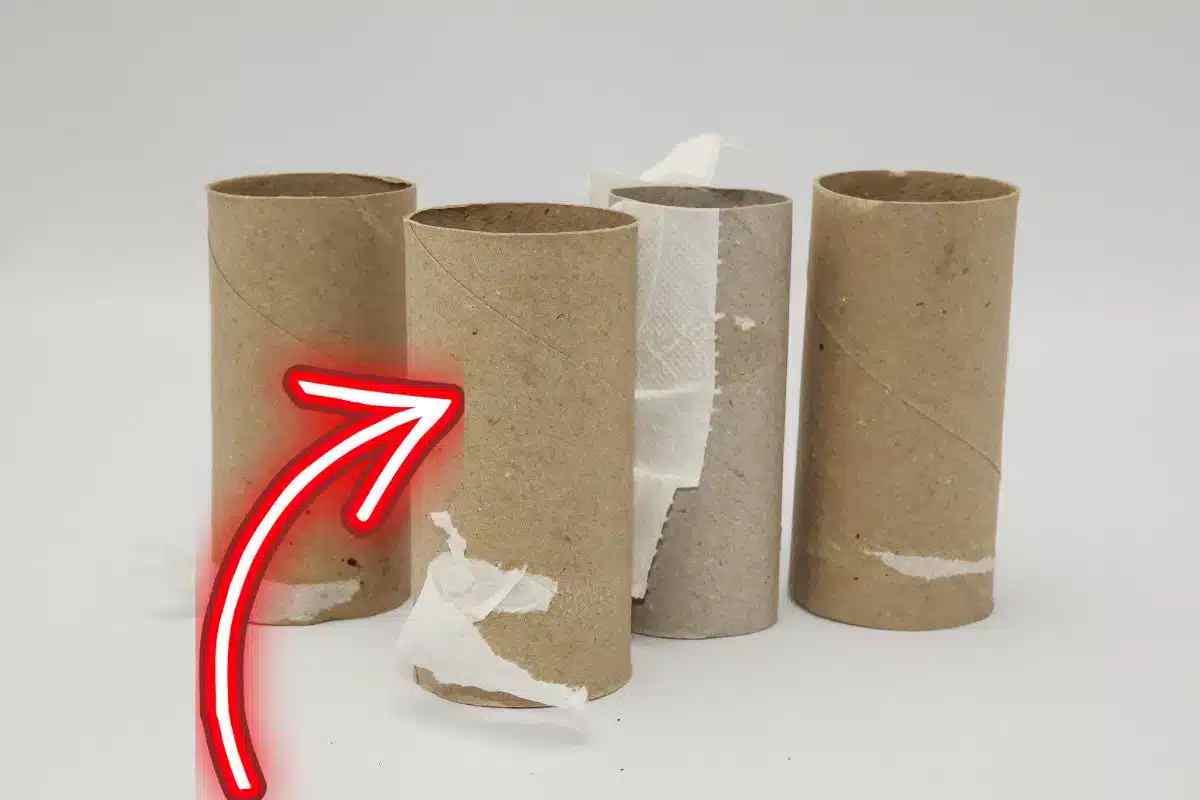
EVERY gardener searches for innovative ways to boost plant growth and soil fertility. While conventional methods focus on watering schedules and fertilizers, one unexpected solution lies in your bathroom waste basket. Cardboard toilet paper tubes represent a valuable composting resource that most people discard without realizing their potential for garden enhancement.
Why toilet paper rolls become composting treasures
The cardboard material in toilet paper tubes provides essential carbon content that compost piles desperately need. This brown material balances nitrogen-rich kitchen scraps and grass clippings, creating optimal decomposition conditions. When you add these tubes to your compost bin, they break down naturally while improving the overall structure of your composting system.
Before incorporating toilet rolls into your garden routine, ensure they contain no residual paper or adhesive materials. Only clean cardboard tubes should enter your composting setup. These materials decompose efficiently, transforming into nutrient-rich humus that plants absolutely love. The decomposition process typically takes several months, depending on moisture levels and temperature conditions.
Professional gardeners recognize cardboard as an excellent moisture regulator in compost systems. The fibrous structure absorbs excess water during rainy periods while releasing moisture during dry spells. This natural moisture management prevents waterlogged compost and maintains ideal conditions for beneficial microorganisms. Whether you’re learning how to make an office garden or managing outdoor spaces, this technique applies universally.
Earthworm attraction and soil improvement benefits
Toilet paper rolls naturally attract earthworms, which are among the most valuable creatures for soil health. These decomposing materials create perfect bedding conditions that earthworms find irresistible. As worms consume the cardboard, they produce nutrient-dense castings that significantly improve soil structure and fertility.
Earthworms create extensive tunnel networks throughout garden soil, dramatically improving aeration and water infiltration. These tunnels allow plant roots to spread more easily while ensuring adequate oxygen reaches the root zone. The improved soil structure benefits all plants, from delicate herbs requiring specific care like how to keep your basil plant alive to sturdy vegetables such as how to grow pinto beans.
The digestive process of earthworms transforms cardboard and organic matter into premium humus. This black gold contains essential nutrients in forms that plants can readily absorb. The humus also improves soil water retention, reducing irrigation needs during dry periods. Gardens with healthy earthworm populations consistently show better plant vigor and resistance to environmental stresses.
Practical application methods for garden success
Several effective techniques exist for incorporating toilet paper rolls into your gardening routine. The most straightforward approach involves cutting tubes into smaller pieces before adding them to compost bins. Smaller pieces decompose faster and integrate more easily with other organic materials.
Direct soil application represents another valuable method. Bury whole or partial tubes around established plants, creating underground decomposition zones that gradually release nutrients. This technique works particularly well for plants requiring steady nutrition, including vegetables like those described in how to plant tomatoes in the ground.
Consider these application strategies:
Shred tubes into small strips for faster decomposition
Layer whole tubes between compost materials
Create cardboard mulch rings around plant bases
Mix torn pieces with fallen leaves for sheet mulching
Indoor gardeners can also benefit from this technique. Even delicate plants like how to take care of mystique orchid indoors or how to look after moth orchids can benefit from improved compost made with cardboard tubes.
Environmental impact and sustainable gardening practices
Using toilet paper rolls in gardens reduces household waste while supporting circular economy principles. Instead of sending cardboard to recycling facilities or landfills, gardeners transform this material into valuable soil amendments. This practice aligns perfectly with sustainable gardening philosophies that emphasize resource conservation.
The environmental benefits extend beyond waste reduction. Improved soil health from cardboard composting reduces the need for synthetic fertilizers and soil amendments. Healthy, biologically active soil naturally suppresses plant diseases and pest problems, decreasing pesticide requirements. These combined effects create more sustainable growing environments.
Advanced gardeners often combine toilet paper roll composting with companion planting strategies. For example, understanding what are the best companion plants for elecampane becomes more effective when soil biology supports diverse plant communities.
The long-term benefits of this simple practice compound over time. Gardens treated with cardboard-enriched compost develop deeper topsoil layers and more resilient plant communities. This natural approach supports biodiversity while reducing external inputs, making gardening more economically and environmentally sustainable for years to come.
