


By Victor Itodo Abuh
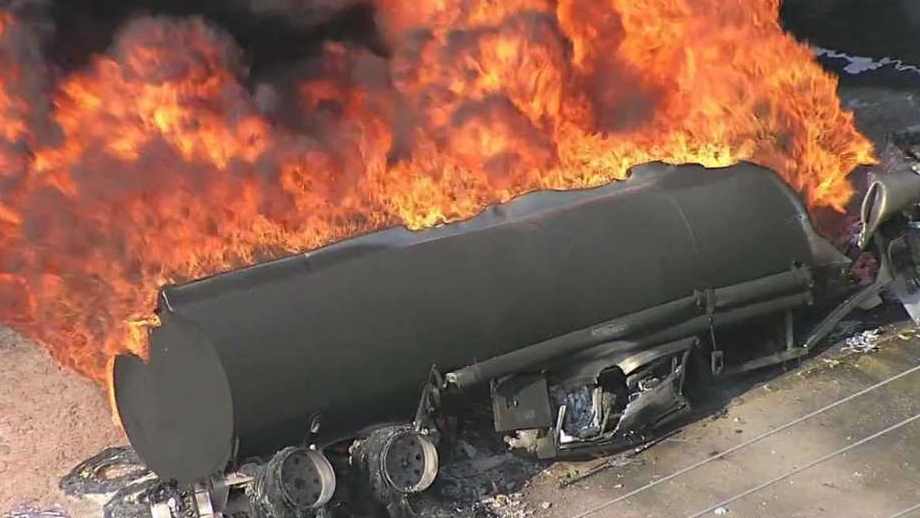
THE STREETS of Jalingo, the serene capital of Taraba State, almost turned into another theater of tragedy on January 22, 2025, when a tanker, laden with Premium Motor Spirit (PMS) popularly known as petrol, overturned at the Mile 6 Roundabout, near the bustling Mile 6 Market.
What could have been another catastrophic disaster was averted, thanks to the swift intervention of security operatives. Yet, the incident serves as a stark reminder of the grave dangers posed by the pervasive practice of fuel scooping in Nigeria.

The petrol tanker, which reportedly lost control while navigating a turn, spilled its highly flammable content onto the road, attracting dozens of people. Armed with buckets and jerry cans, they rushed to the scene, ignoring the life-threatening risks involved. This reaction, though alarming, has become a familiar sight across the country, driven by economic hardships and a lack of awareness.
Recognising the looming danger, personnel of the Nigeria Security and Civil Defence Corps (NSCDC) and the Nigeria Police Force, promptly dispersed the crowd, preventing a potential explosion. The driver, who sustained injuries in the accident, was rushed to a nearby hospital.
Speaking on the incident, the spokesperson of the NSCDC, Taraba State Command, Mr Illia Samuel, stated: “We acted immediately to ensure no lives were lost. Such accidents often result in explosions, and we are committed to preventing that from happening here.”
Just a few days earlier, a petrol tanker explosion in Suleja, Niger State, claimed nearly 100 lives, leaving a nation in mourning. The tragic incident occurred when locals rushed to scoop petrol from a fallen tanker, only for a generator’s spark to ignite an inferno. Among the dead were women, children and passers-by, all caught in a moment of desperation turned disaster.
This is not an isolated case, as Nigeria has a long history of tragedies from tanker or broken pipeline explosions resulting from scooping. In 2024, over 140 people lost their lives in a similar explosion in Jigawa State.
The underlying causes are clear: poverty, high fuel prices, and a lack of public awareness about the inherent dangers of handling spilled petroleum products.
Notably, petrol scooping is often driven by desperation, as many see it as an opportunity to alleviate financial burdens by collecting fuel for personal use or resale. However, the hazards are immense. petrol vapour is highly flammable, such that a slightest of spark – for instance, from a mobile phone, cigarette, or static electricity – can trigger catastrophic explosion.
Despite repeated warnings from authorities, incidents of fuel scooping persist, often resulting in preventable deaths. The Suleja explosion and the close call in Jalingo highlight the urgent need for public education and systemic change.
For smooth access, follow National Record Channel on WhatsApp
While the Jalingo incident ended without casualties, it underscores the importance of vigilance and proactive measures. Here are key steps that can help prevent future tragedies:
Public Awareness Campaigns: The National Orientation Agency (NOA) should intensify efforts to educate Nigerians about the dangers of fuel scooping. Campaigns should leverage mass media, social media, and community engagement to drive home the message.
Strengthened Emergency Response: Security operatives in Jalingo set an example by acting swiftly to disperse the crowd. Emergency services across the country must be adequately trained and equipped to handle similar situations.
Improved Transportation Safety: Stricter regulations are needed to ensure tankers are roadworthy, and drivers are properly trained. Investments in alternative fuel transportation methods, such as pipelines and railways, could reduce the frequency of tanker accidents.
Addressing Economic Challenges: Poverty and unemployment are root causes of fuel scooping. By creating economic opportunities and implementing social safety nets, the government can help reduce the desperation that drives people to risk their lives.
Certainly, the history of petrol explosions are reminders that safety must come first. As citizens, we have a role to play in avoiding hazardous behaviours. The government and civil society organisations should also rise to the challenge by fostering awareness, enforcing safety protocols, and addressing systemic issues.
While tanker explosion tragedies like those of Suleja, Jigawa, amongst other explosions seemed to have become symbolic of the desperate economic condition in the country, they should not be allowed to define us as a nation. Rather, we must learn from these painful experiences and work collectively to prevent future occurrences.
Jalingo’s close call should be a turning point – a lesson in vigilance, awareness, and the value of life.
